 ultimate-guide
Is a Stairlift Worth the Money? A 2026 Guide
Table of Contents
- What Makes a Stairlift Worth the Investment
- Stairlift Rental vs. Purchase: Which Option Makes Sense
- Understanding Stairlift Safety Features for Seniors
- Medicare Coverage for Home Modifications and Stairlifts
- Realistic Costs and Long-Term Financial Considerations
- Alternatives to Stairlifts: When Other Solutions Make Sense
- The True Value: Independence, Safety, and Peace of Mind
- Frequently Asked Questions
Last Updated: September 2, 2026
What Makes a Stairlift Worth the Investment
A stairlift is worth the money when it enables you to remain in your home safely while maintaining independence. The real question isn't whether a stairlift costs money; it's whether staying in your home, avoiding falls, and preserving your autonomy justify that expense. (Source: Centers for Disease Control and Prevention (CDC) data)
At CT Stairlifts, we've helped homeowners across the region make this decision by focusing on what actually matters: your ability to access every floor of your home without risk. The value extends far beyond installation, it's the difference between aging in place on your own terms and being forced to relocate or depend entirely on others for basic movement through your home.
Most people approach this decision backward, starting with cost and working backward to justify the expense. Instead, consider what you'd lose without one: the ability to reach your bedroom, access your favorite living spaces, or maintain the independence you've built over decades. A stairlift isn't a luxury; it's infrastructure that protects your safety while preserving your dignity.
Stairlift Rental vs. Purchase: Which Option Makes Sense
Deciding whether to rent or buy a stairlift depends on how long you'll need mobility assistance and your financial situation. Rental makes sense if you're recovering from surgery or injury and expect to regain full mobility within a few months. Purchase makes sense if you're managing a chronic condition or age-related mobility decline that won't improve.
Rental advantages:
- Lower upfront cost, you pay monthly instead of a large lump sum
- No long-term commitment if your needs change
- Maintenance and repairs typically included in rental agreements
- Ideal for temporary recovery situations
Purchase advantages:
- No ongoing monthly payments once installed
- You own the equipment and can use it indefinitely
- Better financial outcome if you'll need the stairlift for years
- Flexibility to modify or upgrade as needed
The rental vs. purchase decision also hinges on your home's staircase configuration. A straight staircase is simpler and less expensive to outfit with a stairlift. A curved staircase requires custom rail configuration, which affects both rental and purchase costs. If you're uncertain whether your stairs will accommodate a stairlift, that's a conversation worth having before committing to either option.
Rental agreements often require you to maintain the equipment in good condition, with damage beyond normal wear resulting in additional charges. With purchase, you control maintenance decisions and can address issues on your timeline. If your situation changes, switching out of a rental is straightforward, whereas selling a used stairlift can be time-consuming and may not recover much of your original investment.
Understanding Stairlift Safety Features for Seniors
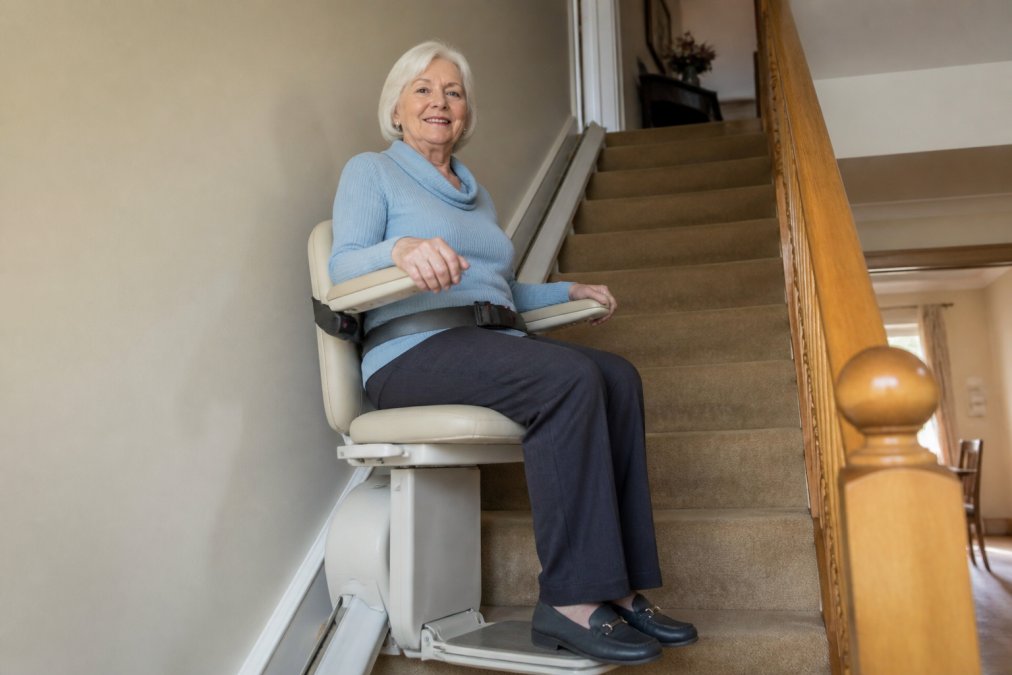
Safety features in modern stairlifts are designed to prevent falls, prevent entrapment, and ensure you can operate the device confidently even if your strength or balance is compromised. The most critical safety elements include emergency stop buttons, seat belts, and battery backup systems.
Key safety features to understand:
A swivel seat allows you to exit the stairlift facing the landing instead of the stairs, reducing fall risk during dismounting. This feature is essential for people with balance issues or reduced mobility.
Safety sensors detect obstacles on the track and stop the stairlift automatically, preventing collisions with objects or people in the stairwell (the American Dental Association). Battery backup ensures the stairlift continues operating during a power outage, so you won't be stranded halfway up the stairs (the CDC).
Armrests and footrests provide stability during the ride. Armrests should be padded and positioned to support your arms without forcing an awkward angle. Footrests keep your feet stable and prevent them from dangling.
A seat belt keeps you secure during the ride, preventing sliding or shifting, which is especially important for people with weak core strength or balance disorders. Weight capacity is a practical safety consideration, stairlifts typically support users up to 300 pounds, though some models accommodate higher weights. Exceeding the weight limit compromises safety and can damage the equipment.
Stairlifts are safe when installed correctly and used as designed. Falls related to stairlifts are rare and typically result from misuse, not from the equipment itself. Professional installation is essential, the rail must be secured properly to the staircase structure, and the chair must be calibrated to stop at the correct positions.
Medicare Coverage for Home Modifications and Stairlifts
Medicare coverage for stairlifts and home modifications is limited and typically requires meeting specific criteria. Medicare Part B may cover certain home modifications if they're deemed medically necessary and prescribed by a physician, but stairlifts themselves are rarely covered. Medicare is more likely to cover grab bars, ramps, or threshold modifications if a doctor documents that these modifications are necessary to prevent falls or enable safe mobility.
Medicaid coverage varies significantly by state. Some states offer home modification programs for seniors or people with disabilities, while others don't. If you're eligible for Medicaid, contact your state's program to ask whether stairlift installation qualifies for coverage.
Private insurance rarely covers stairlifts unless they're prescribed as part of a documented rehabilitation plan following surgery or injury. Veterans may have access to additional resources through the VA. If you're a veteran with service-related mobility issues, the VA may provide funding for home modifications, including stairlifts. (Source: U.S. Department of Housing and Urban Development (HUD) guidelines)
For most people, the financial reality is that stairlifts are an out-of-pocket expense. This is why understanding the true value and the long-term financial picture matters so much when making the decision.
Realistic Costs and Long-Term Financial Considerations
The total cost of stairlift ownership extends far beyond the purchase or rental price. Installation, maintenance, potential repairs, and eventual removal all factor into the true financial picture.
Installation costs vary based on your staircase configuration. A straight staircase is simpler and less expensive to install than a curved staircase, which requires custom rail fabrication. Professional installation is non-negotiable, attempting to install a stairlift yourself creates safety risks and may void the warranty.
Maintenance costs are often overlooked. Annual service contracts typically cover regular inspections, lubrication, and minor repairs. Battery replacement is a predictable long-term cost, stairlift batteries typically last 5-7 years before needing replacement. Removal costs occur if you eventually sell your home or no longer need the stairlift.
The long-term financial calculation depends on how long you'll need the stairlift. If you need it for 10 years or more, purchase typically costs less than renting. If you need it for 2-3 years, rental may be more economical. One financial reality that changes the equation: the cost of alternative housing. If you're considering moving to a one-story home or assisted living facility to avoid stairlift costs, compare those expenses to stairlift ownership. For many people, staying in their current home with a stairlift is far less expensive than relocating.
Alternatives to Stairlifts: When Other Solutions Make Sense
Before committing to a stairlift, consider whether alternative accessibility solutions might better serve your needs and budget.
Ramps work well for single-step or low-rise obstacles but are impractical for interior staircases. An interior ramp would consume enormous space and create steep grades that are difficult to navigate.
Elevators provide full accessibility but require significant home modification, structural reinforcement, and substantial financial investment. A residential elevator costs considerably more than a stairlift and requires ongoing maintenance.
Relocating to a one-story home eliminates the staircase problem entirely but involves moving costs, the emotional difficulty of leaving your current home, and the challenge of finding suitable single-story housing in your area.
Reorganizing your living space to keep daily activities on one floor can work temporarily but isn't a long-term solution if you need access to bedrooms or bathrooms on upper floors.
Stairlifts remain the most practical solution for most people because they preserve independence, enable access to your entire home, and cost less than major alternatives. The decision to use a stairlift is about choosing the solution that best preserves your autonomy and safety.
The True Value: Independence, Safety, and Peace of Mind
The financial value of a stairlift is inseparable from its impact on your quality of life. The real worth lies in what you preserve: your ability to move through your home freely, your sense of control over your environment, and your peace of mind knowing you can navigate safely.
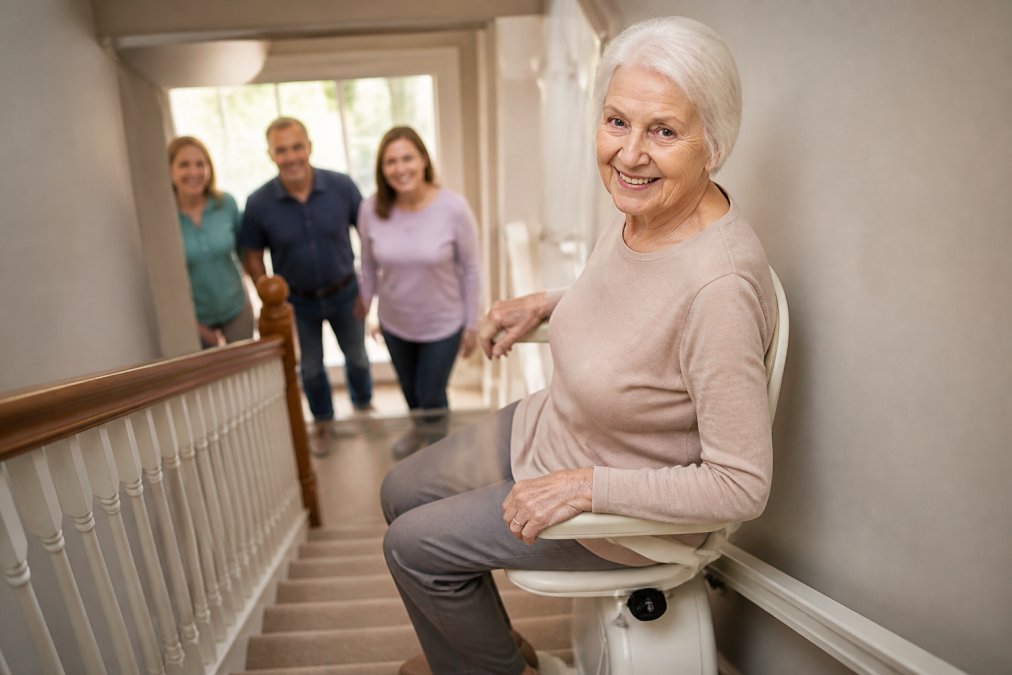
Independence matters more than people realize. When mobility becomes limited, the loss of autonomy affects mental health, emotional well-being, and sense of self. A stairlift restores your ability to move through your home without asking for help. This isn't a minor convenience; it's the difference between maintaining your dignity and becoming dependent on others for basic movement.
Safety is the foundation. Falls are a leading cause of injury among older adults, and stairs are a common location for serious falls. A stairlift eliminates this risk entirely. For adult children concerned about aging parents, a stairlift removes a constant source of anxiety and allows them to maintain independence while giving you confidence in their safety.
The psychological impact of remaining in your home cannot be overstated. Your home holds memories, familiar spaces, and the life you've built. Being forced to relocate because of mobility limitations is traumatic. A stairlift allows you to stay, to age in place, and to maintain continuity in your life. That's not just comfort; it's dignity.
CT Stairlifts understands that this decision is about more than equipment. It's about your ability to remain in control of your life, to move safely through the home you know, and to maintain the independence that defines who you are. The true measure of value isn't the price tag. It's whether the investment enables you to live the life you want, in the home you love, with the independence and safety you deserve.
A stairlift is worth the money when it enables you to remain in your home safely while maintaining independence. The decision isn't primarily about cost; it's about weighing the financial investment against the value of autonomy, safety, and remaining in the home you know. CT Stairlifts specializes in helping homeowners make this decision by providing solutions tailored to your specific staircase and mobility needs. When you're ready to explore whether a stairlift makes sense for your situation, consult with accessibility specialists who can assess your home and discuss realistic options that fit your needs and budget.
Frequently Asked Questions
Does Medicare cover the cost of a stairlift?
Medicare does not cover stairlifts as a standalone purchase. However, Medicare Part B may cover certain home modifications if they are deemed medically necessary and prescribed by a physician. Coverage depends on the specific modification and your individual plan. Contact your Medicare provider or speak with an occupational therapist to explore what home accessibility improvements might qualify for assistance under your coverage.
What is the main disadvantage of installing a stairlift?
The primary drawback is the upfront cost and installation complexity. Stairlifts require professional installation and may need home modifications, particularly for curved staircases. Additionally, stairlifts take up space on your stairs, which can be inconvenient if multiple household members use the staircase. Maintenance and potential repair costs also add to long-term expenses. For some homeowners, the aesthetic impact or the emotional adjustment to accepting mobility assistance can also be significant considerations.
What are practical alternatives to a stairlift for seniors?
Common alternatives include installing a residential elevator, building a ramp system, relocating living spaces to a single floor, or moving to a one-story home. Grab bars, handrails, and improved lighting can reduce fall risk without major modifications. For temporary mobility challenges during recovery, crutches, walkers, or canes may suffice. An occupational therapist can assess your specific situation and recommend the most practical solution based on your home layout, budget, and long-term mobility needs.
How long does a stairlift typically last before needing replacement?
A well-maintained stairlift generally lasts 10-15 years or longer, depending on usage frequency and maintenance. Regular servicing and prompt repairs extend the lifespan significantly. Battery backup systems may need replacement sooner than the mechanical components. Refurbished or rental units may have different lifespans. Discussing expected durability and maintenance schedules with your provider helps you understand the true cost of ownership and plan for eventual replacement or removal.
This article was written using GrandRanker