 ultimate-guide
Stairlift Costs 2026: Pricing Breakdown & Hidden Fees
Table of Contents
- What Stairlift Costs Actually Include
- Factors That Influence Stairlift Pricing
- Stairlift Rental vs. Purchase: Which Costs Less
- Medicare Coverage for Home Modifications
- Tax Deductions for Home Medical Equipment
- Hidden Fees and How to Avoid Them
- Total Cost of Ownership Over 5-10 Years
- Financing and Payment Options
- Frequently Asked Questions
Last Updated: September 21, 2026
What Stairlift Costs Actually Include
A stairlift isn't just a chair on a rail. The total investment covers the equipment itself, installation labor, electrical work, structural modifications, and often a service agreement. Understanding what's bundled versus what costs extra is the first step to avoiding sticker shock when you get a quote.
The equipment component includes the motorized seat, safety features like seat belts and obstruction sensors, the track system (either straight or curved), and the power supply. Installation labor typically represents 20-40% of the total project cost, depending on your staircase configuration and whether your home requires modifications to accommodate the system. Many homeowners discover that their stairs are narrower than expected or have unusual angles that demand custom fabrication, which adds cost.
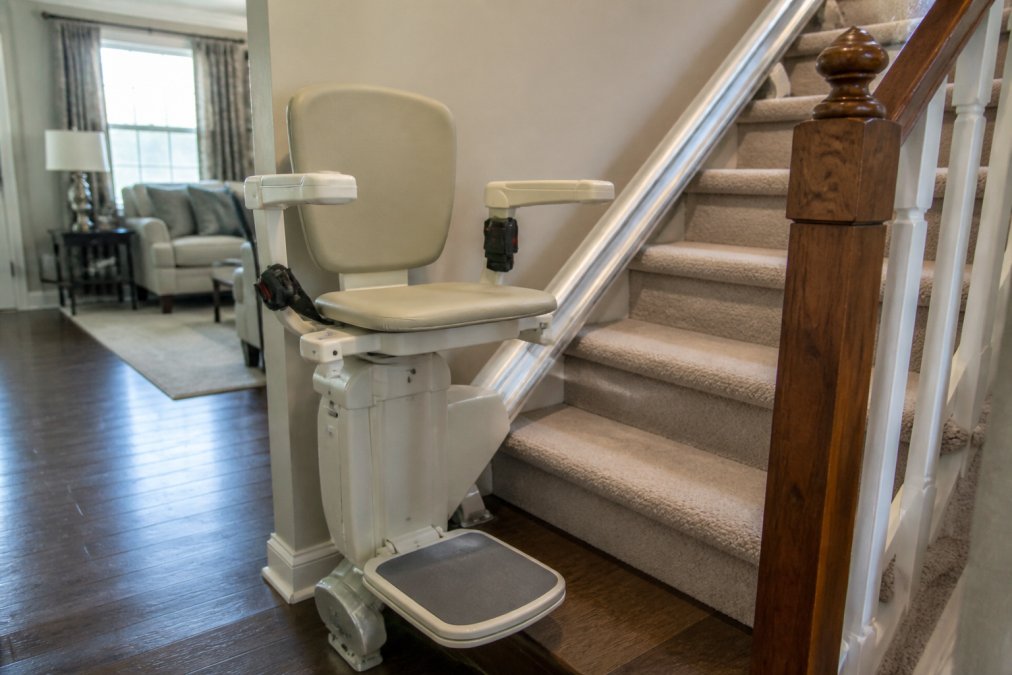
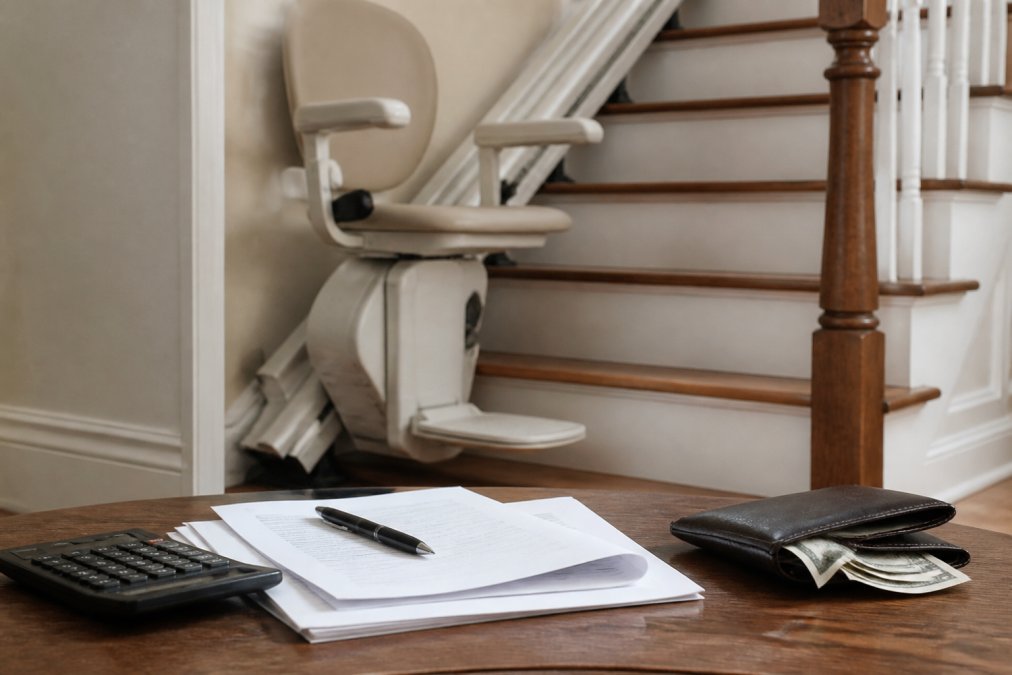
Beyond the initial purchase, you'll encounter ongoing expenses: maintenance contracts, battery replacements, and occasional repairs. Some providers bundle these into annual service agreements; others charge à la carte. A few companies offer buy-back programs if you no longer need the equipment, though the resale value typically ranges from 30-50% of the original purchase price. This matters if you're uncertain whether you'll need the stairlift long-term.
Factors That Influence Stairlift Pricing
Stairlift costs vary dramatically based on five primary factors: staircase configuration, weight capacity requirements, custom features, installation complexity, and whether you're purchasing new or refurbished equipment. A straight stairlift on a standard residential staircase costs significantly less than a curved system navigating multiple turns and landings.
Your home's structural requirements matter. If your staircase is narrow, has a landing halfway up, or features tight curves, the manufacturer must custom-build the track. Standard straight rails are mass-produced and less expensive; curved rails require individual engineering and fabrication. Some homes have stairs that angle sharply or spiral, which demand specialized solutions and premium pricing.
Staircase Configuration: Straight vs. Curved Stairlifts
A straight stairlift follows an uninterrupted path from bottom to top. These systems use stock components, standard installation procedures, and predictable labor costs. Most residential staircases qualify as "straight" even if they have a slight bend, as long as the track can be installed in one continuous line.
Curved stairlifts navigate landings, multiple turns, and architectural complexity. The track must be custom-fabricated to match your exact staircase geometry. This requires a site survey, custom engineering, and specialized installation. The curved rail itself is significantly more expensive than a straight one, and installation typically takes longer because the work demands greater precision.
Outdoor stairlifts occupy a middle ground in terms of complexity. They handle weather exposure, which requires weatherproof motors, corrosion-resistant materials, and more strong electrical enclosures. The environmental demands make outdoor models more expensive than comparable indoor systems, though they're typically simpler than curved indoor installations.
Installation Labor and Home Modifications
Installation labor represents a substantial portion of your total stairlift costs. A straightforward installation on a standard staircase might require 4-6 hours of work. Complex installations, those involving structural modifications, electrical upgrades, or custom track fabrication, can extend to 16+ hours across multiple visits.
Some homes need structural reinforcement. If your staircase lacks the load-bearing capacity to support the stairlift's weight, installers must reinforce the stringers (the angled supports on either side of the stairs). This adds both labor and material costs. Similarly, if electrical outlets don't exist at the top and bottom of your stairs, the electrician must run new circuits, which increases the project scope and timeline.
Wall modifications are common.
Weight Capacity and Custom Features
Standard stairlifts typically support 250-300 pounds. If you require a higher weight capacity, manufacturers offer reinforced models with heavier-duty motors and structural components. These premium models cost more upfront and may require additional installation labor because the track system is more strong.
Stairlift Rental vs. Purchase: Which Costs Less
Renting a stairlift makes sense if you need temporary mobility assistance, recovering from surgery, managing a short-term injury, or testing whether a permanent installation suits your lifestyle. Monthly rental rates are substantially lower than the purchase price, but the math changes quickly over time.
Medicare Coverage for Home Modifications
Medicare Part B covers certain durable medical equipment when a physician prescribes it for medical necessity. Stairlifts sometimes qualify, but coverage is inconsistent and depends on your specific situation and local Medicare contractor policies.
Tax Deductions for Home Medical Equipment
The IRS allows deductions for home medical equipment if the equipment is primarily for medical care. Stairlifts may qualify if installed specifically to accommodate a diagnosed medical condition. However, the deduction applies only to the portion of the cost that exceeds 7.5% of your adjusted gross income (as of 2026).
Hidden Fees and How to Avoid Them
Many homeowners encounter unexpected charges after agreeing to a quote. The most common hidden costs involve site surveys, custom fabrication, electrical work, and structural modifications that weren't apparent during the initial estimate.
Total Cost of Ownership Over 5-10 Years
The stairlift purchase price is just the beginning. A complete cost-of-ownership analysis includes maintenance, repairs, potential battery replacements, and service agreements over the equipment's lifespan.
Financing and Payment Options
Most stairlift providers offer financing to spread costs across months or years. Common options include zero-interest financing for 12-24 months (if you qualify), traditional installment loans, or credit-card payment plans.
Frequently Asked Questions
How much does Medicare pay for a stairlift?
Medicare Part B may cover some home modifications classified as durable medical equipment if prescribed by a physician and deemed medically necessary. However, stairlifts are often not covered because Medicare typically focuses on items that improve mobility within the home rather than access between floors. Coverage varies based on your specific plan and diagnosis. Contact your Medicare provider directly or consult with your doctor about what your plan covers for accessibility equipment.
Is it cheaper to rent or buy a stairlift?
Renting works best for temporary needs, such as recovery from surgery, typically costing less per month upfront. Buying makes financial sense if you need a stairlift long-term. Calculate your total cost of ownership: monthly rental fees add up quickly over years, while purchase includes installation and maintenance costs but provides permanent access. If you expect to need mobility assistance for more than 3-5 years, purchasing usually becomes more cost-effective. Request a quote from CT Stairlifts to compare rental and purchase options for your situation.
What factors influence the total installation cost of a stairlift?
Staircase configuration (straight vs. curved rail), rail length, weight capacity requirements, power supply availability, landing space, and whether your home requires structural modifications all affect pricing. Curved stairlifts cost more than straight models due to custom track fabrication. Professional installation labor, safety feature upgrades, and warranty options also add to the total. The complexity of your staircase determines whether installation is straightforward or requires additional work. CT Stairlifts can assess your home and provide a detailed quote based on these factors.
Are there tax deductions or credits available for home accessibility modifications?
The Internal Revenue Service allows deductions for medically necessary home improvements that add value to your home under Section 213 of the tax code. Stairlifts may qualify if they are prescribed for a specific medical condition. You cannot deduct the full cost; you can only deduct the amount that exceeds 7.5% of your adjusted gross income for the year. Some states and local jurisdictions offer additional credits or grants for accessibility modifications. Consult a tax professional or visit the IRS website to determine your eligibility and document your medical necessity for the modification.
What is the average price difference between straight and curved stairlifts?
Curved stairlifts typically cost more than straight models because they require custom-fabricated track to fit your specific staircase shape and dimensions. Straight stairlifts use standard rail systems that are less expensive to manufacture and install. The price difference depends on the complexity of your staircase curve, the length of the rail needed, and additional features like battery backup or swivel seats. Both types offer similar safety features and weight capacity options. Contact CT Stairlifts for a quote comparing straight and curved options for your home.
What happens if the power goes out while I'm using the stairlift?
Modern stairlifts include battery backup systems that allow you to continue moving to the top or bottom of the stairs safely if the main power fails. The battery typically provides enough charge for several trips. However, you should not rely on battery backup as a long-term solution; contact your service provider to restore power as soon as possible. Regular maintenance and testing of the battery system ensure it functions when needed. Always verify that your stairlift model includes battery backup before purchase, and ask about the service agreement that covers battery maintenance.
Can I resell a stairlift or return it if I no longer need it?
Many stairlift providers offer buy-back programs or removal services if your situation changes. The resale value depends on the model's age, condition, and whether it can be reconfigured for another home's staircase. Refurbished stairlifts are often available at a lower cost if you decide to sell yours. If you rented instead of purchased, you can return the unit to the rental company at any time, ending your monthly payments. Discuss buy-back options and removal procedures when you receive your quote to understand your options if circumstances change.