 Ultimate guide
How to Get Home Accessibility Grants for Seniors
Last Updated: November 10, 2026
Quick Summary
Home accessibility grants for seniors are funds that help pay for modifications such as stairlifts, ramps, grab bars and bathroom changes. Grants usually need no repayment, while loans must be repaid, often at low interest or when the home is sold. Eligibility depends on age, income, mobility needs and homeownership status.
- Outright grants need no repayment but are usually limited to lower-income households.
- Forgivable loans are canceled if you remain in the home for a set number of years.
- Connecticut residents can check state, Medicaid waiver, Area Agency on Aging and USDA options.
- Confirm whether a program is accepting applications, since funding can close without notice.
- Some medical-related home improvements may reduce taxable income under IRS rules.
Table of Contents
- Types of Home Accessibility Grants and Loans for Seniors
- Federal, State, and Local Programs in Connecticut
- USDA Section 504 Home Repair Program for Rural Homeowners
- VA Home Modification Grants for Veterans
- Eligibility Requirements and How to Screen Yourself
- Application Steps, Documentation, and Realistic Timelines
- Tax Deductions for Home Accessibility Improvements
- Next Step: Scheduling a Stairlift Assessment at Your Home
- Frequently Asked Questions
Types of Home Accessibility Grants and Loans for Seniors
Home accessibility grants for seniors are funds that help pay for modifications such as stairlifts, ramps, grab bars and bathroom changes, and they are available in several forms. Grants generally do not need to be repaid, while loans must be repaid, often at low interest or with payments deferred until the home is sold. See how stairlifts and related modifications are financed and subsidized. Knowing the difference matters before you apply, because the right option depends on your income, your home and your plans to stay put.
Most programs fall into a few categories:
- Outright grants: Non-repayable funds, usually limited to households below certain income levels.
- Low-interest or deferred loans: Repayment is delayed or only due when the property is sold or transferred.
- Forgivable loans: The balance is canceled if you remain in the home for a set number of years.
- Tax-based benefits: Certain medical-related home improvements may reduce taxable income, which is covered later in this guide.
A common mistake is assuming that one program covers everything. Many homeowners combine a state housing program with a local grant or a utility rebate to reach the full cost of a project. Start by listing the modifications you need, then match each one to the program types above.
The main funding types differ mainly in whether they must be repaid and when.
| Option | Repayment | Key condition |
|---|---|---|
| Outright grants | None required | Usually limited to lower-income households |
| Low-interest or deferred loans | Delayed or due at sale or transfer | Repayment timing set by the program |
| Forgivable loans | Canceled after set years | Must remain in the home for the set period |
| Tax-based benefits | Not applicable | Medical-related improvements may reduce taxable income |
Federal, State, and Local Programs in Connecticut
Connecticut residents can reach accessibility funding through three layers: federal programs that set the rules, state agencies that administer many of them, and local offices that often handle intake and small repair grants. Federal rules set the framework, but eligibility, award amounts and application windows are set by the administering agency, so verify current details directly before planning around any figure.
The main entry points, and what each typically handles, are:
- Connecticut Department of Housing: Oversees state housing assistance and home repair resources, and is the place to ask which current state programs fund accessibility work and whether any are open.
- Connecticut Department of Social Services: Relevant if you receive Medicaid, because some home- and community-based waiver programs can cover home modifications that support independent living. Ask specifically whether a waiver covers the modifications you need, and whether a care coordinator can help you apply.
- Area Agencies on Aging: Local offices that frequently know which small grants, volunteer repair programs and utility-linked assistance serve your town. They are often the fastest way to learn what is actually accepting applications.
- USDA Rural Development: For eligible rural addresses, the federal Section 504 program is administered through its state office, and an address check is the first step.
- Veterans Affairs and county veterans service officers: For veterans with service-connected disabilities, these offices can review adaptation benefits and explain the paperwork.
A practical way to use this list is to make one call to each relevant office with the same four questions: which accessibility programs are open now, what the current income or age limits are, whether there is a waitlist and how it is ordered, and whether any programs can be combined. Recording the answers in one place lets you compare options side by side.
Funding is limited and can close to new applicants without much notice. Treat any listing as a starting point and confirm status with the agency before you commit to a contractor, because a program that appeared open in an online guide may have reached its annual limit.
USDA Section 504 Home Repair Program for Rural Homeowners
The USDA Section 504 Home Repair program provides loans and grants to very low-income homeowners in eligible rural areas to repair or modify their homes. Accessibility improvements can qualify when they address health and safety needs. Eligibility for grants and loans differs, and the age and income conditions are set by USDA. Check the current requirements with USDA Rural Development before applying.
Eligibility depends on your location, income and whether the home is your primary residence. Applications go through USDA Rural Development offices, and you can check whether your address falls within an eligible area using the USDA eligibility map. Expect a detailed review of your income and the proposed work before any funds are released.
VA Home Modification Grants for Veterans
Veterans with service-connected disabilities may qualify for Veterans Affairs home modification grants, including the Specially Adapted Housing and Special Home Adaptation grants. These programs may fund modifications such as wheelchair-accessible entries and bathroom adaptations when the disability is service-connected. Whether a given modification is covered depends on the VA's current rules.
The VA sets the eligibility rules and award limits, which are updated periodically, so confirm the current details on the official VA website (Disability Housing Grants For Veterans). Surviving spouses in some cases may also qualify. Your local VA benefits office or a county veterans service officer can review your situation and explain the paperwork.
Eligibility Requirements and How to Screen Yourself
Most home accessibility grants for seniors weigh four factors: your age, your income, your disability or mobility limitation, and your homeownership or tenancy status. Read a focused guide to home modification grant qualification for the specific criteria. Age thresholds, income limits and asset tests vary by program, so the figures that apply to you come from the administering agency rather than from general guides.
A simple screening process helps you decide where to apply:
- Confirm your age and whether the program requires you to be 62 or older.
- Gather recent income documentation, including Social Security statements and tax returns.
- Note your mobility limitation and whether a doctor or therapist can document it.
- Check whether you own the home, rent it, or live with a relative who owns it.
- Identify which modifications you need, since some programs fund only certain types of work.
Renters face a separate pathway. Landlords usually must consent to modifications, and some programs require the landlord to sign an agreement before funds are released. Get written permission before starting any project.
Application Steps, Documentation, and Realistic Timelines
Most accessibility funding moves through the same stages regardless of which agency runs it: an initial inquiry, an intake or eligibility review, a home assessment, a written scope of work, approval, contractor scheduling, the work itself, and a final inspection before the agency releases payment. The stages are predictable, but the time each one takes is not, and that is where many applicants lose months.

The inquiry and intake stage is often the longest. Some agencies run waitlists that open and close on a fixed schedule, so an application submitted in the wrong month may wait a full funding cycle. Ask whether the program is accepting applications now, whether it maintains a waitlist, and how applicants are ordered on it.
The home assessment and written scope come next. An assessor typically visits the home, measures the relevant areas and records the modifications the program will fund. The written scope is the document that controls what gets paid for, so any work that is not written into it is usually not covered. Review the scope line by line against your actual needs before signing.
Approval and contractor scheduling can stall because program funds are released only after the scope is approved and, in many programs, after a contractor is selected. Because of this, the approval stage can look finished while nothing is yet scheduled. Confirm in writing what the agency expects you to do next and by when.
Watch out: if a program's funds run out after you are approved but before work begins, the award may be reduced or withdrawn, so ask what happens to approved files if the annual allocation is exhausted.
Typical documentation includes:
- Proof of income and household size, usually the most recent tax return and recent benefit statements
- Proof of age and identity
- Property ownership records, or a landlord consent and agreement form for renters
- A physician's or therapist's letter describing the mobility need in functional terms, such as difficulty with stairs or bathing
- Two or more contractor estimates, where the program requires them
- Photographs of the areas to be modified, which some agencies request before the assessment
When funds are exhausted, the practical options are to ask to be placed on a waitlist for the next cycle, to ask whether a partner agency, local nonprofit or utility program can cover part of the scope, or to phase the work so the most urgent safety items are completed first. Keep copies of every document and a dated log of who you spoke with and what they said.
Tax Deductions for Home Accessibility Improvements
Certain home modifications made for medical reasons may be deductible as medical expenses on your federal income tax return, subject to IRS rules on how much of your medical costs can be counted. Find out whether insurance covers a stair lift before you calculate your out-of-pocket cost. The IRS publishes these rules and the current threshold, so verify them with the IRS directly or a qualified tax professional before counting on a deduction.
Improvements that add value to the home, such as some bathroom upgrades, may reduce the deductible amount. Keep receipts, contractor invoices and a letter from your physician that explains the medical necessity. A tax preparer can help you decide whether itemizing makes sense for your situation.
Next Step: Scheduling a Stairlift Assessment at Your Home
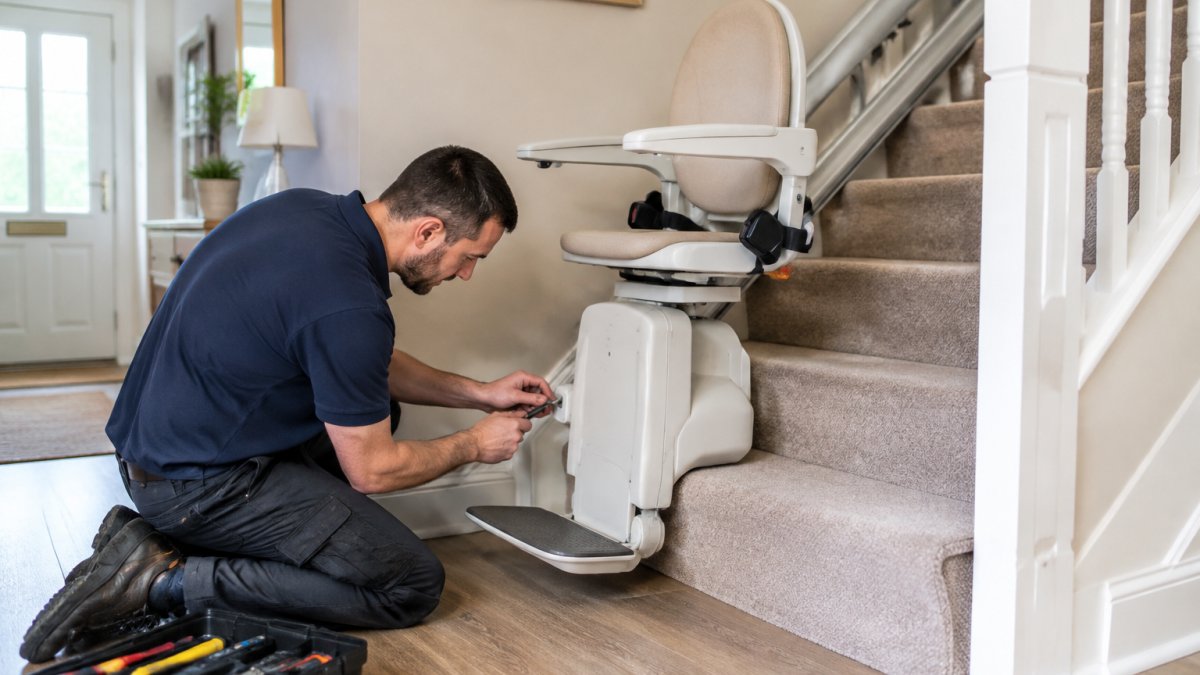
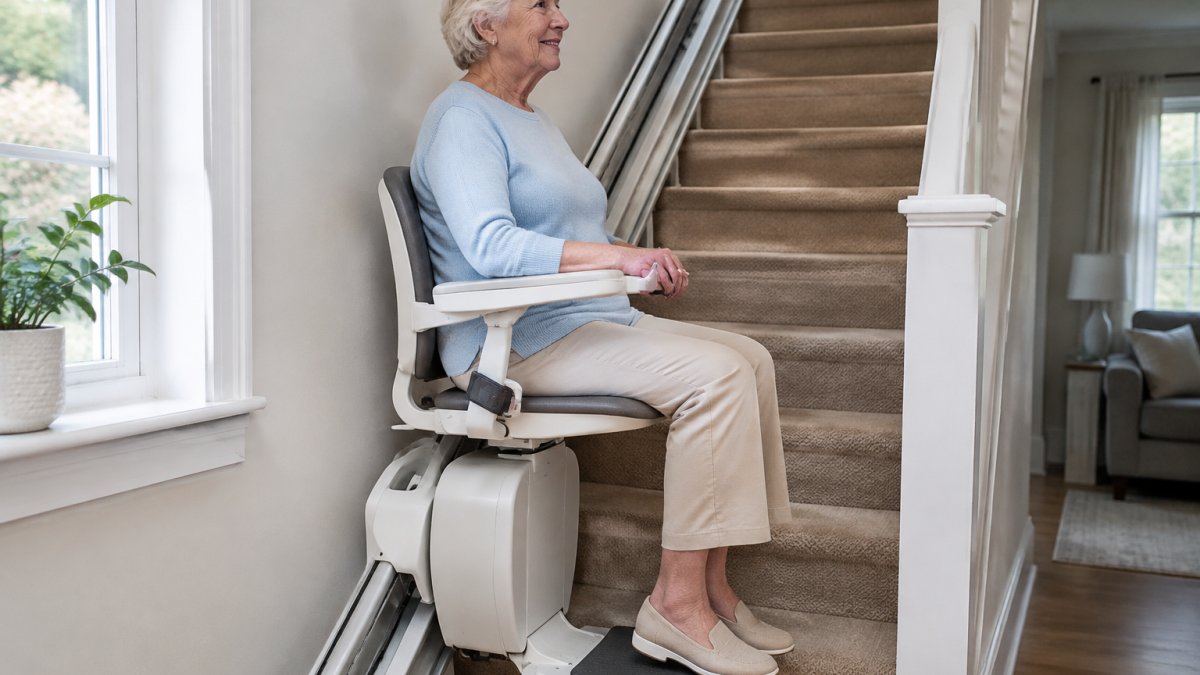
A stairlift can help restore access to every floor of the house, and CT Stairlifts provides stairlift installations designed to improve mobility and independence for homeowners. Pricing depends on the type of unit, the staircase and the installation requirements, so request a quote for your specific home from CT Stairlifts directly. Book your home stairlift assessment to see what a stairlift would involve for your staircase, and use the grant information above to plan how the cost will be covered.
Frequently Asked Questions
Does Medicare pay for home accessibility modifications?
Original Medicare generally does not cover home modifications such as ramps, stairlifts or bathroom changes, because it treats them as non-medical home improvements. Some Medicare Advantage plans and Medicaid waiver programs may offer limited help with home modifications for eligible enrollees. Check with your plan or the Connecticut Department of Social Services to confirm what applies to you before you begin any project.
What government programs help seniors with home repairs?
Several federal, state and local programs can help, including the USDA Section 504 Home Repair program for eligible rural homeowners, VA home modification grants for qualifying veterans, and local area agency on aging programs. Eligibility usually depends on age, income, disability status and homeownership. Program availability and funding change over time, so confirm current details with each agency directly.
What is the difference between a home modification grant and a loan?
A grant generally does not have to be repaid if you meet the program's conditions, while a loan must be repaid, often with interest, unless it is forgiven under the program's terms. Some programs offer forgivable loans that are cancelled over time if you stay in the home. Read the terms carefully, because repayment obligations and liens on the property can affect your estate and any future sale.
Are there tax deductions for installing a stairlift?
Federal tax rules may allow a deduction for medical expenses that include the cost of certain home improvements made primarily for medical care, and the portion that does not add value to the home is often the part that qualifies. Whether a stairlift qualifies depends on your situation and the rules in effect for the tax year. A qualified tax professional can confirm how the rules apply to your return.