 how-to
Stairlift Safety Features Checklist
Table of Contents
- Essential Stairlift Safety Features Overview
- Understanding Stairlift Obstruction Sensors
- Mechanical and Electrical Braking Systems
- Stairlift Battery Backup Requirements
- Seatbelt, Armrest, and Footrest Security
- Stairlift Maintenance Schedule and Inspections
- Daily Safety Checks and Troubleshooting
- Conclusion
Essential Stairlift Safety Features Overview
A stairlift safety features checklist is a systematic guide to evaluating and monitoring the critical safety mechanisms built into your home stairlift system. These features work together to prevent falls, control descent, and protect users during normal operation and emergencies.
Stairlift safety operates as a layered system: mechanical brakes work alongside electrical backups, sensors detect obstacles, seatbelts and armrests keep you positioned correctly, and a battery system ensures you won't be trapped if power fails. This checklist covers eight essential categories of stairlift safety features, explaining what each does, why it matters, and how to verify it's working.
Understanding Stairlift Obstruction Sensors
Obstruction sensors are the eyes of your stairlift. They detect anything blocking the carriage's path, a toy, pet, or furniture, and trigger an immediate stop before collision. Most modern stairlifts use infrared sensors that create an invisible beam across the stair width. If anything breaks that beam, the system stops within a fraction of a second.
Testing your obstruction sensors should be part of your monthly routine. Place a small object on the stair directly in front of the moving chair, then activate it. The stairlift should stop before contact. If it doesn't, contact a service technician immediately. Keep the sensor lenses clean by wiping them gently with a dry cloth during your weekly checks, as dust and debris can block the infrared beam and prevent detection.
Mechanical and Electrical Braking Systems
Your stairlift has two braking systems working in parallel: mechanical and electrical. The mechanical brake is purely physical and locks the carriage in place through friction or a locking mechanism that requires no electricity. The electrical brake is controlled by the power system and engages automatically when you stop the chair or if power is lost.
The mechanical brake is your failsafe. If every wire burns out and every battery dies, the mechanical brake still holds the chair in place, preventing uncontrolled descent. Electrical braking provides smooth, controlled stopping during normal operation. When you press the stop button or release the control, the electrical brake engages gradually, bringing the chair to a gentle halt.
Move the chair slowly up or down the stairs, then press the stop button. The chair should come to a smooth, complete stop within one or two seconds. If it continues moving, drifts backward, or stops with a jerk, contact a service provider. Listen to the sounds your stairlift makes during normal operation. Grinding, squealing, or clicking noises during braking can signal friction buildup or component wear.
Stairlift Battery Backup Requirements
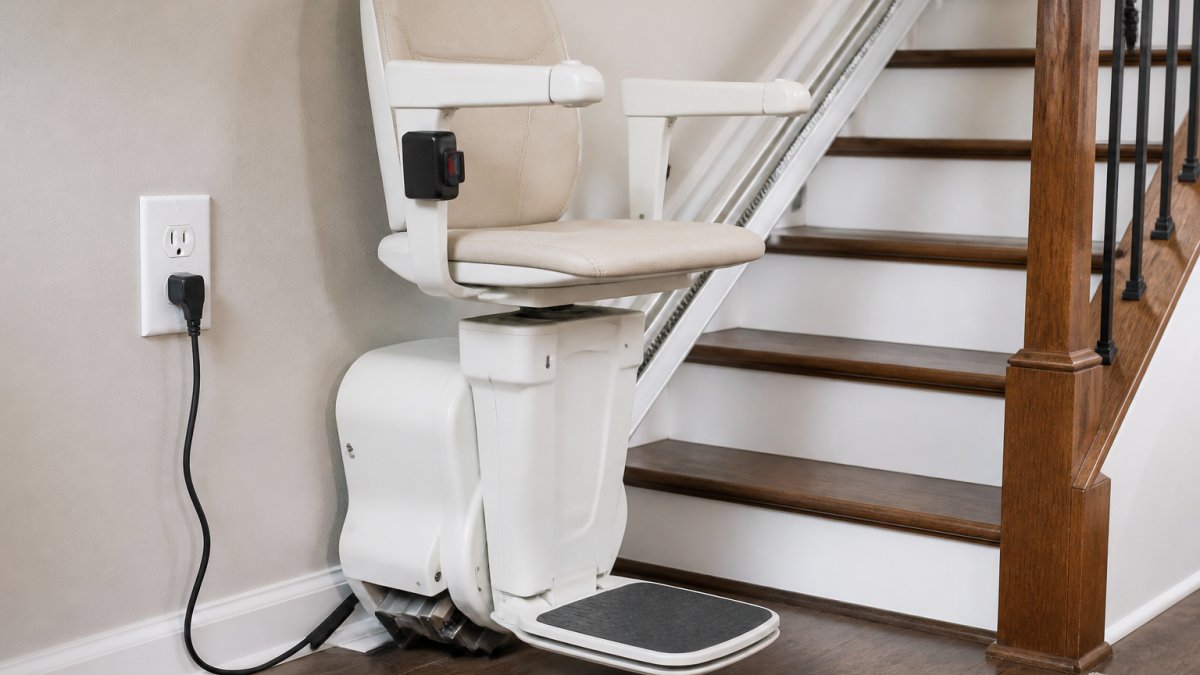
A stairlift battery backup system ensures that if your home loses power, you can still move the chair to safety, usually to the top or bottom of the stairs where you can exit more easily. Most battery backup systems operate independently of the main power supply and charge continuously while the stairlift is plugged in. When power fails, the battery takes over and provides enough energy to move the chair at reduced speed to a safe position.
Battery maintenance is straightforward but essential. Most batteries need to be exercised monthly, meaning you should run the stairlift on battery power alone for at least one full cycle (aarp.org). This keeps the battery charged and prevents degradation from disuse. A diagnostic display on your stairlift control panel will show battery status. If you see a low-battery warning or error code, contact a technician.
Seatbelt, Armrest, and Footrest Security
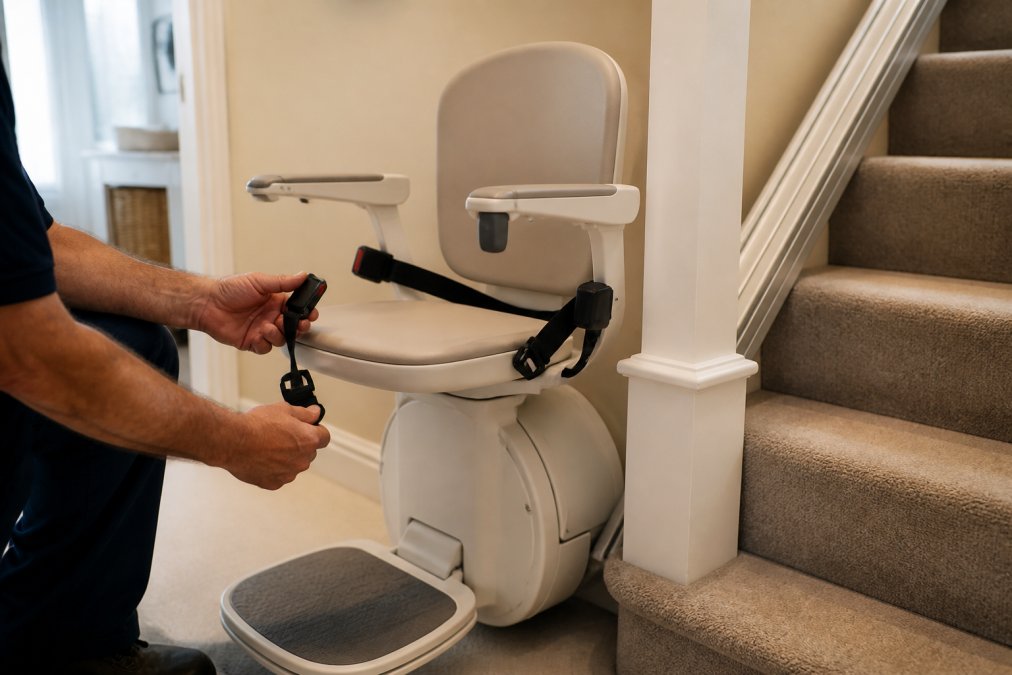
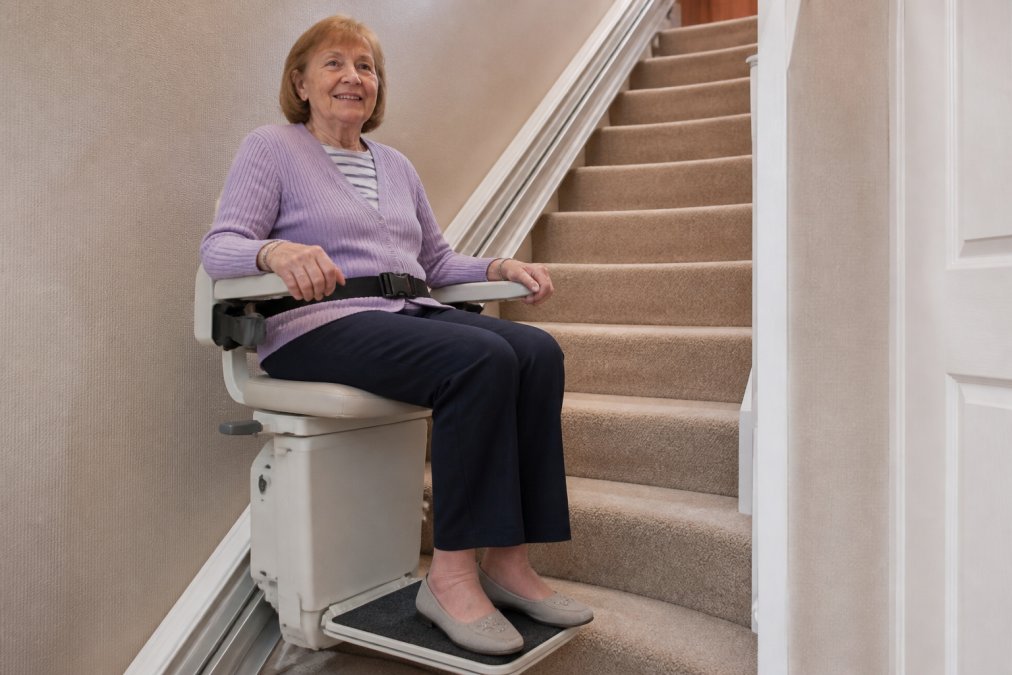
Seatbelts on stairlifts are essential restraints that keep you in the chair if you lose your balance or if the chair encounters an unexpected bump. A retractable seatbelt should be snug but not restrictive, holding you firmly in place without cutting off circulation. Before every use, check that your seatbelt fastens securely and the buckle clicks into place. If the belt is frayed, torn, or won't retract, it needs replacement.
Armrests provide stability as you sit down and stand up, and help keep you centered in the chair during movement. Both armrests should be sturdy and not wobble or flex when you grip them. The footrest should extend fully and lock in place when the chair reaches the top or bottom of the stairs. Test the footrest mechanism monthly by riding to the top of the stairs, stopping, and verifying the footrest is fully extended and locked before you stand.
Emergency Stop and Contact Systems
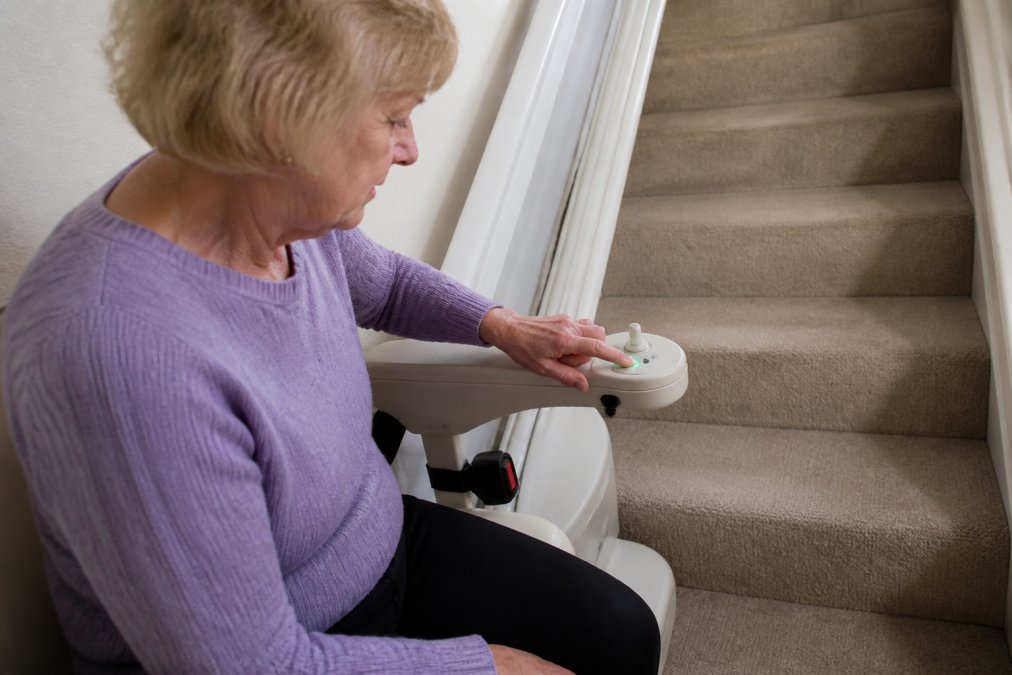
An emergency stop button should be easily accessible from your seated position. Most stairlifts place this button on the armrest or control panel where you can reach it without stretching. Pressing it should bring the chair to an immediate stop. Test this control monthly to confirm it responds instantly.
Modern stairlifts often include emergency call systems or alert features. Some models have a button that sends a signal to a caregiver's phone or a monitoring service if you need help. If your stairlift has this feature, test it regularly and make sure the contact information on file is current. A key lock feature prevents unauthorized use, important if you have children or visitors in your home. Some stairlifts include a manual lowering system that allows slow descent if power fails completely and the battery is exhausted. Learn how to operate this feature before you need it.
Stairlift Maintenance Schedule and Inspections
A preventative maintenance schedule keeps your stairlift running safely and reliably. Most manufacturers recommend professional inspections at least once per year, with more frequent checks if you use the chair daily (nfpa.org).
Your maintenance schedule should include a visual inspection of the track for debris, corrosion, or damage. A technician will clean the track and apply protective lubricant during a service visit. The carriage itself should be inspected for cracks, dents, or loose components. Electrical connections should be checked for corrosion or loose terminals. Battery condition should be tested annually. A battery that won't hold a charge needs replacement. Most batteries last 3-5 years with proper maintenance (peer-reviewed research).
Keep records of all maintenance and repairs. Document the date, work performed, and any parts replaced. This history helps you spot patterns and provides proof of proper maintenance if you ever need to make an insurance claim.
Daily Safety Checks and Troubleshooting
Your daily routine should include a quick safety check before you use the stairlift. Start by visually inspecting the stairs for toys, clutter, pets, or anything that might block the carriage path. Check the stairlift itself for visible damage, loose bolts, or anything obviously wrong. Test the seatbelt by fastening and unfastening it. Confirm the armrests are secure and the footrest moves freely. Listen to the motor as it runs up and down the track. If you hear grinding, squealing, or other unusual noises, note them and mention them to a technician at your next service visit.
Test the emergency stop button and confirm the chair stops immediately. If it doesn't respond, don't use the chair until you've had it inspected. If your stairlift has a diagnostic display, check it for error codes or warning lights.
If the chair stops mid-staircase, check the obstruction sensors first. Clean the sensor lenses and try again. If the chair still won't move, press the emergency stop button to reset the system, then try moving it slowly. If it still fails, contact a technician. If the chair moves slower than usual, check the battery status on the diagnostic display. A low battery can cause reduced speed.
Conclusion
A stairlift safety features checklist is your defense against accidents and your confidence that your equipment will work when you need it. The features covered, obstruction sensors, dual braking systems, battery backup, secure restraints, emergency controls, and proper maintenance, work together to create a safe system for aging in place.
CT Stairlifts helps homeowners understand these features and maintain them properly. Start with a monthly checklist: test the emergency stop, clean the sensors, verify the seatbelt and armrests, check the battery status, and listen for unusual sounds. Address any concerns immediately rather than waiting for the next scheduled maintenance.
Get started with CT Stairlifts and receive guidance on maintaining your stairlift safely throughout its lifetime.
Frequently Asked Questions
What are the most critical stairlift safety features I should verify before using my lift?
The most critical features are the emergency stop button, retractable seatbelt, obstruction sensors, and mechanical braking system. Before each use, confirm the emergency stop button responds immediately when pressed, the seatbelt fastens and releases properly, the seat and footrest are secure, and the lift moves smoothly without jerking. If any of these fail to operate correctly, stop using the lift and contact a service technician.
How do stairlift obstruction sensors work to prevent collisions?
Obstruction sensors detect objects or people blocking the stairlift's path on the stairs or track. When an obstruction is detected, the sensors trigger the lift to stop automatically, preventing collision or entrapment. These sensors use infrared or mechanical contact methods depending on the model. Test your obstruction sensors monthly by placing a small object in the lift's path while it moves; the lift should stop before reaching it.
What should I do if my stairlift loses power while I'm using it?
A functioning stairlift battery backup system allows you to move the lift to the nearest floor if power fails. The backup battery provides enough power for one or two trips. Once at a floor, exit safely and contact your service provider. Never attempt to walk down stairs if you are unable to do so safely. Regular testing of your stairlift battery backup requirements ensures the backup system is ready in an emergency.
How often should I have my stairlift professionally inspected?
A professional inspection should occur at least once per year as part of your stairlift maintenance schedule. Some users with heavier use or older equipment may benefit from twice-yearly inspections. During inspections, technicians check braking systems, electrical connections, track alignment, battery backup function, and sensor operation. Between professional visits, perform monthly visual checks for debris, loose bolts, or unusual sounds.
EXTERNAL SOURCES CITED IN THIS ARTICLE:
[EXTERNAL_LINK: Americans with Disabilities Act accessibility guidelines | ada.gov]
[EXTERNAL_LINK: National Association of Home Builders aging-in-place design standards | nahb.org]
[EXTERNAL_LINK: Consumer Product Safety Commission guidance on home safety equipment | cpsc.gov]
This article was written using GrandRanker