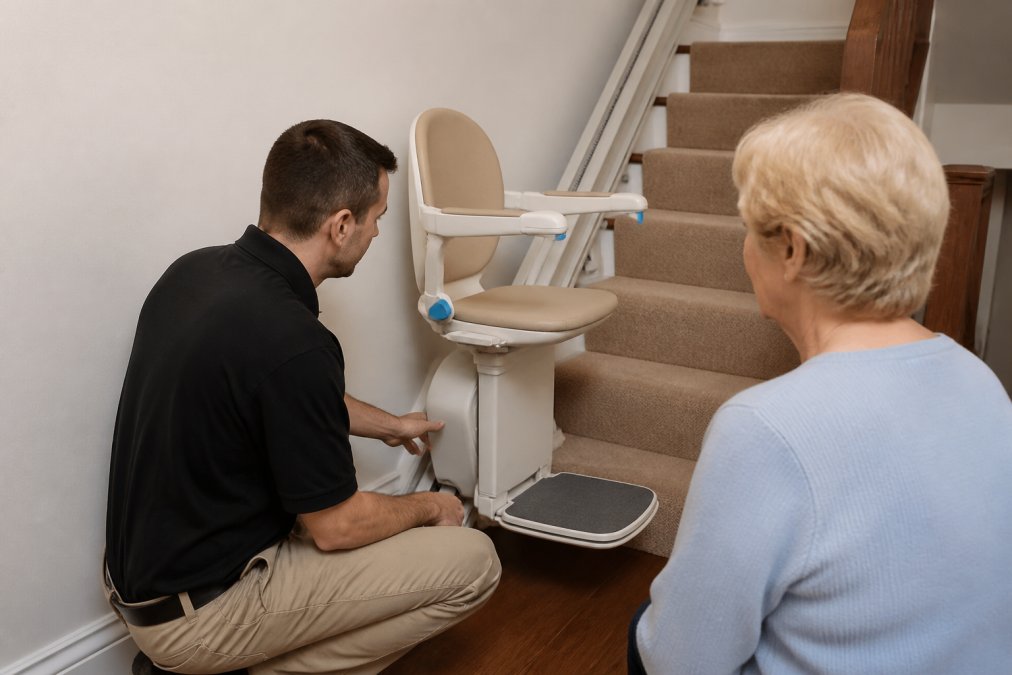
 how-to
Book a Home Stairlift Safety Assessment: A Complete Guide
Table of Contents
- What Happens During an In-Home Stairlift Assessment
- Pre-Assessment Checklist for Homeowners
- Understanding Stairlift Installation Space Requirements
- Key Safety Features and Sensors to Discuss
- Stairlift Safety Features During Power Outages
- Preparing Your Home for Installation
- Stairlift Maintenance Checklist for Homeowners
- Questions to Ask During Your Consultation
Last Updated: August 30, 2026
What Happens During an In-Home Stairlift Assessment
A home stairlift safety assessment is a comprehensive evaluation by a qualified technician who visits your home to determine feasibility, identify the best equipment type, and assess necessary modifications. The technician measures your staircase, evaluates your physical space, discusses mobility needs, and identifies safety concerns a stairlift could address.
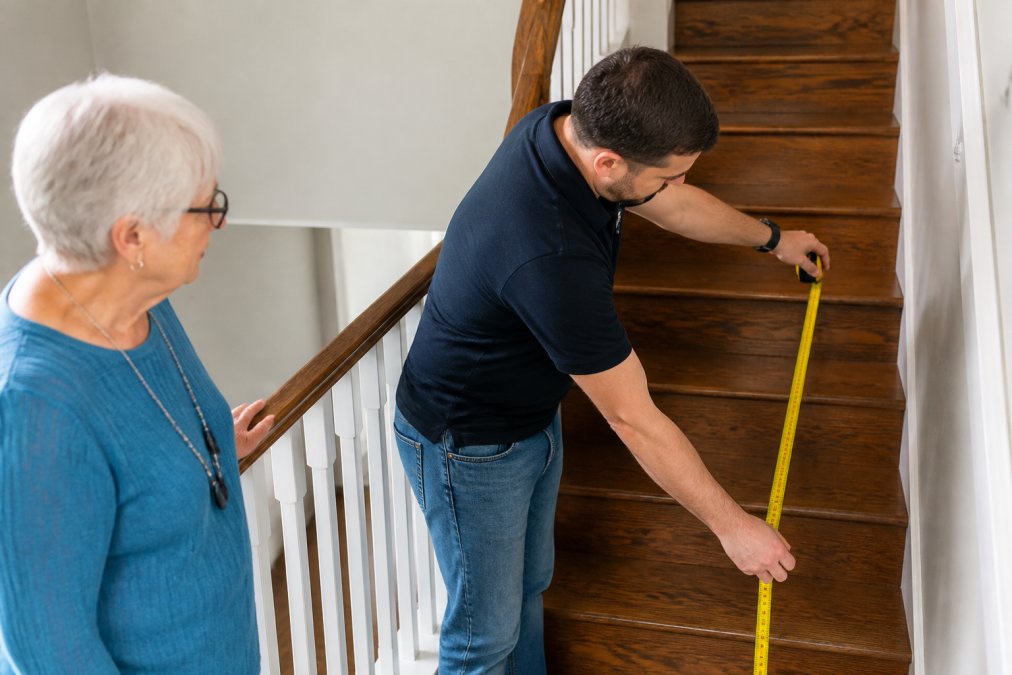
The assessment typically lasts 30 to 60 minutes. The technician asks detailed questions about your mobility challenges, recent injuries or surgeries, and expected duration of need to determine candidacy and whether a temporary or permanent solution suits your situation.
A critical part involves examining your staircase configuration. The technician checks for obstacles like sharp turns, landings, wall-mounted fixtures, and architectural features that might complicate installation. They assess structural integrity and wall suitability for mounting the track. Curved staircases require specialized equipment and more complex planning.
The technician discusses safety features including obstruction sensors, seat belts, emergency stop buttons, swivel seats, footrests, and battery backup systems. At CT Stairlifts, we emphasize this assessment is your opportunity to ask questions and voice concerns. A good technician explains equipment operation, maintenance, and safety controls without high-pressure sales tactics.
Pre-Assessment Checklist for Homeowners
Before scheduling your assessment, prepare yourself and your home so the technician can work efficiently.
Clear your staircase and landings. Remove items stored on stairs, landings, or near the staircase to allow accurate measurement and assessment.
Identify recent changes. Inform the technician of renovations, new handrails, flooring changes, or staircase modifications that affect track mounting.
Document your mobility challenges. Write down specific situations where you struggle with stairs, balance difficulties, pain, anxiety about falling, or recovery from injury. This helps the technician recommend appropriate equipment.
Gather medical information if relevant. Mention surgeries, chronic conditions affecting mobility, or medications impacting balance or strength.
Measure your staircase (optional). Note the width, total height, and whether your staircase has curves or landings.
Take photos of your staircase. Photograph from multiple angles, including close-ups of walls, fixtures, and landing areas for reference during planning.
Prepare a list of questions. Write down concerns about operation, maintenance, safety features, power outages, and installation timelines.
Clear a path for the technician. Remove furniture, rugs, or obstacles blocking staircase access, and mention tight hallways or doorways.
Understanding Stairlift Installation Space Requirements
Staircase Measurements and Configuration
Your staircase's physical dimensions determine whether a stairlift can be installed and what type is needed.
Staircase width is critical. Most straight stairlifts require a minimum of about 30 inches to fit safely without blocking passage for others (ada.gov). Narrower stairs may require specialized or folding models. Measure from wall to wall at the widest point.
Total vertical height determines track length and installation cost. The technician measures from the floor at the bottom to the floor at the top landing.
Staircase configuration significantly affects equipment selection. A straight staircase is simplest and typically least expensive. A staircase with a landing requires more complex installation as the track must navigate the turn. A curved staircase requires specialized curved-rail equipment and significantly more complex planning.
Landing Space and Clearance Considerations
Your home needs adequate space at the top and bottom of the staircase for safe boarding and exiting.
Bottom landing space should provide room to safely approach the lift, sit down, and secure yourself. Most stairlifts require at least 18 inches of clear space in front of the seat (ada.gov). If your staircase opens directly into a hallway with limited space, the technician assesses positioning for safe boarding.
Top landing space is equally important. You need room to exit safely, stand up, and move away from the staircase.
Doorways and passages near the staircase can complicate installation. If a door swings into the staircase area or the staircase is in a tight hallway, the lift track might interfere with normal traffic.
Wall-mounted fixtures like outlets, switches, or thermostats may need relocation. The technician identifies these during assessment.
Handrails and existing safety features are evaluated to determine whether they need modification, removal, or can remain alongside the stairlift track.
Key Safety Features and Sensors to Discuss
Understanding built-in safety systems is essential before installation.
Obstruction sensors detect blockages and automatically stop the lift to prevent collision. Ask how sensitive these sensors are.
Seat belts keep you secure during operation. Ask whether the belt is easy to fasten and release, especially if you have limited hand strength.
Emergency stop buttons give you immediate control. Most stairlifts have buttons on the armrest and key switches at top and bottom landings.
Swivel seats rotate at the top and bottom, allowing you to face the landing as you exit. Ask whether the swivel is automatic or manual.
Footrests protect your feet and legs during the ride. Ask how the footrest operates.
Weight capacity is critical. Most residential stairlifts accommodate users up to 300 pounds, though some support higher weights (aarp.org). The technician confirms the stairlift can safely support your weight.
Track design and rail quality affect smooth operation. Ask about materials used and maintenance requirements.
Stairlift Safety Features During Power Outages
Most modern stairlifts include rechargeable battery backup systems that charge whenever the stairlift is plugged in. If a power outage occurs, the battery provides enough energy to move the lift one or two times, enough to reach the next level.
Battery capacity varies by model. Ask how many trips the backup battery supports and whether that's sufficient for your situation.
Low battery indicators alert you when charge is running low. Ask how you'll know when the battery needs charging.
Manual operation is sometimes possible on certain models. Ask whether your stairlift model has this capability.
Preventative measures reduce stranding risk. Keep the stairlift plugged in when not in use so the battery stays charged. Test the backup system periodically.
Contact your service provider if a power outage occurs and you're unable to move the lift. At CT Stairlifts, we recommend keeping emergency contact information readily available.
Preparing Your Home for Installation
Once you've decided to move forward, preparing your home ensures smooth installation.
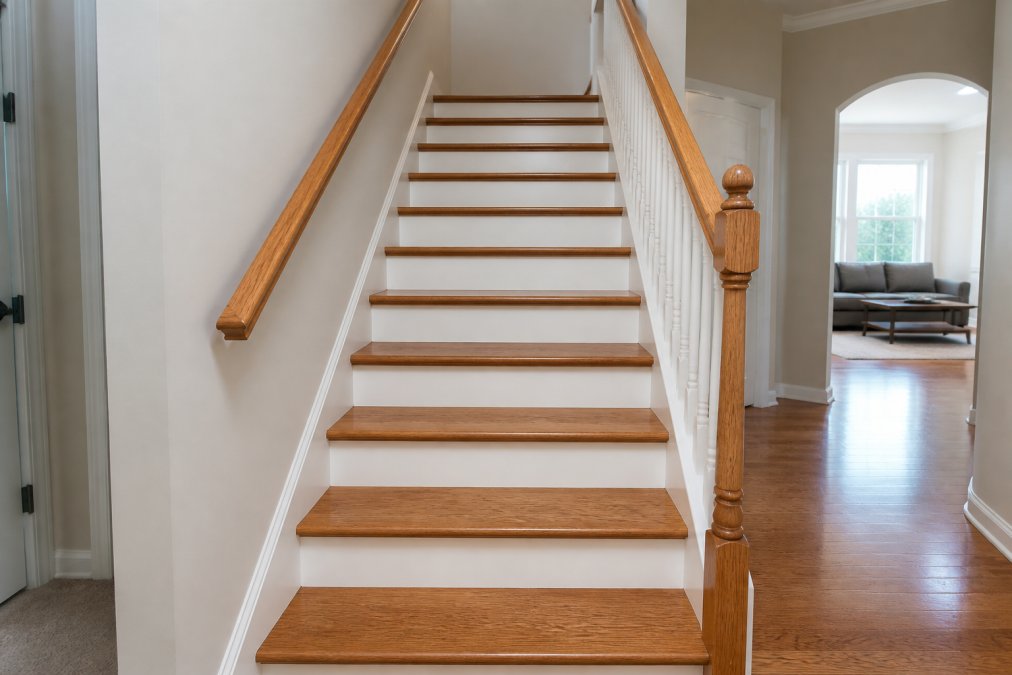
Clear the staircase completely. Remove all items from stairs, landings, and surrounding areas to allow efficient and safe work.
Protect your walls and flooring. Ask the installation team what precautions they take and whether you should cover walls or floors.
Arrange adequate workspace. The installation crew needs space to set up equipment and move materials. Ensure hallways and entryways are clear.
Ensure electrical access. Stairlifts require a standard outlet near the bottom of the staircase. If unavailable, an electrician may need to install one before installation day.
Plan for installation day. Installation typically takes 4 to 8 hours. Arrange to be home and available throughout.
Understand warranty and documentation. Review warranty terms, safety instructions, and the operation manual before installation. Keep all documentation accessible.
Prepare for a safety orientation. After installation, the technician should provide thorough orientation on safe operation. Ask questions about anything unclear.
Stairlift Maintenance Checklist for Homeowners
Regular maintenance keeps your stairlift operating safely and extends its lifespan.
Monthly inspections should become routine. Check the seat for damage, look for loose bolts or track wear, and listen for unusual sounds.
Clean the track regularly. Use a soft brush or dry cloth to remove dust, pet hair, and debris monthly.
Test safety features monthly. Press the emergency stop button, check that obstruction sensors respond, and verify the seat belt fastens smoothly.
Keep electrical connections clean and dry. Clean charging contacts gently with a dry cloth if discoloration or buildup appears.
Check the battery backup system. Test monthly by unplugging the stairlift and confirming it still operates on battery power.
Lubrication and moving parts. Check your manual for specific recommendations. Use only the amount recommended by the manufacturer.
Professional servicing. Schedule annual maintenance with a qualified technician for comprehensive safety checks, sensor testing, and wear assessment.
Keep documentation organized. Maintain a file with your manual, warranty, maintenance records, and service contact information.
| Maintenance Task | Frequency | Purpose |
|---|---|---|
| Visual inspection of track and seat | Monthly | Identify visible wear or damage |
| Clean track and remove debris | Monthly | Ensure smooth operation |
| Test emergency stop button | Monthly | Verify safety controls work |
| Check seat belt function | Monthly | Confirm restraint system operates |
| Test battery backup system | Monthly | Ensure backup power is available |
| Professional safety inspection | Annually | Comprehensive system check |
Questions to Ask During Your Consultation
These questions help you gather information and make an informed decision.
About the equipment itself:
- What type of stairlift do you recommend for my staircase, and why?
- What is the weight capacity, and is it suitable for my needs?
- How fast does the lift move, and can the speed be adjusted?
- What safety features are included, and how do they work?
- What happens during a power outage, and how long will the battery backup last?
About installation:
- How long will installation take, and what's involved?
- Will you need to make modifications to my staircase or walls?
- Can you work around existing handrails, or will they need to be removed?
- What happens to my staircase after the stairlift is removed?
- Are there any obstacles in my home that might complicate installation?
About operation and safety:
- How do I operate the controls, and are they easy to use?
- What training will you provide?
- What maintenance is required, and how often?
- Who do I contact if something goes wrong, and what's the response time?
- How do I know if the stairlift needs service?
About cost and warranty:
- What is the total cost, including installation? Pricing depends on quantity, dates, and delivery. Please check our website for current prices or a quote.
- What does the warranty cover, and for how long?
- Are there financing options available?
- What happens if I need to relocate the stairlift later?
- Is there a trial period or return policy?
About long-term use:
- How long do these stairlifts typically last?
- What is the expected lifespan of the battery backup system?
- If my needs change, can the stairlift be adjusted or upgraded?
- What happens if I no longer need the stairlift?
About your specific situation:
- Based on my staircase and mobility needs, am I a good candidate for a stairlift?
- Are there any concerns or limitations specific to my home?
- Would a temporary rental be an option while I recover from surgery?
- Are there other home modifications that might complement the stairlift?
Scheduling a home stairlift safety assessment with CT Stairlifts is the first step toward regaining independence and safety in your home. The assessment provides clear answers about feasibility, appropriate equipment, and the installation process. By preparing thoroughly, asking detailed questions, and understanding safety features and maintenance requirements, you'll make a confident decision. CT Stairlifts' experienced technicians guide you through every step, ensuring you understand your options and feel secure with your choice.
Frequently Asked Questions
Q: What should I expect during a professional home stairlift safety assessment?
A: A technician will visit your home to measure your staircase, evaluate the configuration, check landing space, and assess safety requirements. They'll examine your stairs' dimensions, curves, and any obstacles. The assessment typically takes 30-60 minutes. The technician will discuss your mobility needs, review available equipment options, and explain how a stairlift would integrate with your home. They'll answer questions about safety features, installation requirements, and ongoing maintenance.
Q: How do I prepare my home before booking a stairlift safety assessment?
A: Clear your staircase of clutter, loose items, and obstacles that could interfere with measurements. Ensure adequate lighting in the stairwell so the technician can inspect the space thoroughly. Have information ready about any other home modifications you're considering, as stairlifts can integrate with occupational therapy recommendations. Remove pets from the area during the assessment. Make a list of questions and concerns beforehand, and have someone available to discuss your mobility needs and home layout.
Q: What happens if the power goes out while I'm using a stairlift?
A: Modern stairlifts include battery backup systems that allow you to reach the top or bottom of your stairs safely during a power outage. The backup battery activates automatically if power is lost. However, the lift will operate at a slower speed on battery power. It's important to discuss battery backup capacity during your assessment and ask the technician how long the backup system will operate and what to do if power remains out for an extended period. Regular maintenance ensures the battery stays functional.
Q: Does Medicare cover the cost of a home stairlift safety assessment?
A: Medicare coverage for stairlifts and assessments varies based on individual circumstances and medical necessity. To determine your eligibility, contact Medicare directly or speak with your healthcare provider about whether a stairlift qualifies as durable medical equipment under your plan. Some supplemental insurance plans may offer coverage. During your assessment consultation, ask about financing options, payment plans, or whether the provider can help verify insurance coverage before you commit to installation.
This article was written using GrandRanker