 how-to
How to Get a Stairlift Quote in Connecticut
Table of Contents
- Understanding Stairlift Types and Your Home's Needs
- What Affects Stairlift Installation Cost in Connecticut
- Medicare Stairlift Coverage Rules and Other Financial Assistance
- Exploring Home Accessibility Grants for Seniors
- Step-by-Step: How to Request Your Free In-Home Evaluation
- Rental vs. Purchase: Which Option Fits Your Situation
- Safety Features, Certifications, and Peace of Mind
- Common Questions Before You Get Your Stairlift Quote
- Frequently Asked Questions
Last Updated: September 3, 2026
Understanding Stairlift Types and Your Home's Needs
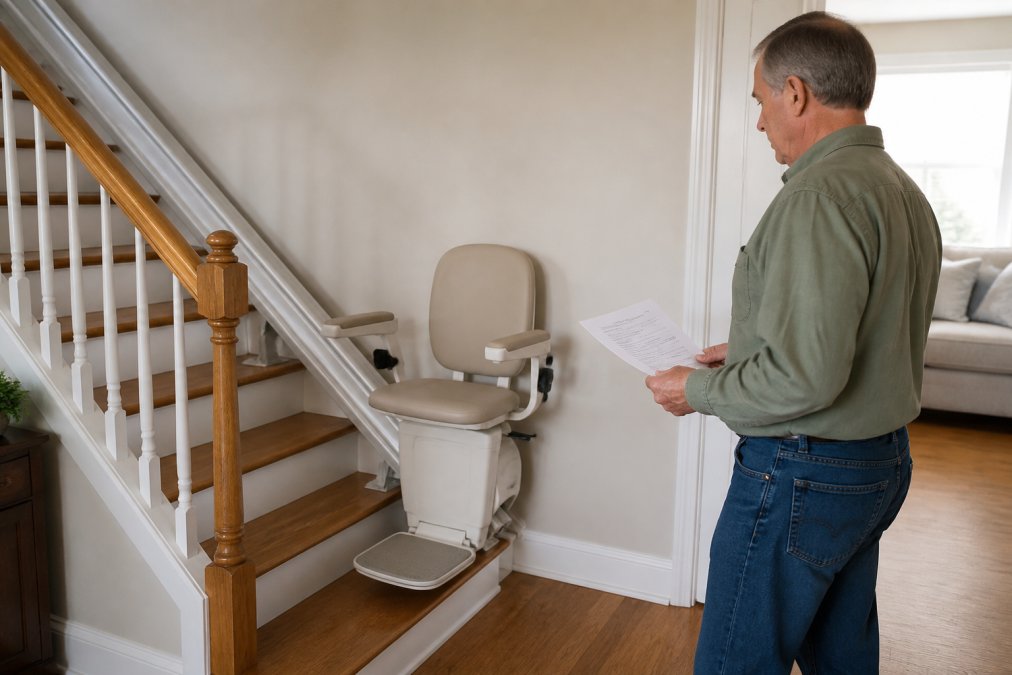
Before you request a stairlift quote in Connecticut, understand which type fits your home's layout and mobility requirements. The wrong choice wastes time, money, and frustration. Your home's staircase configuration determines everything, straight, curved, or outdoor stairs each present different needs.
Straight vs. Curved Stairlifts
A straight stairlift is designed for staircases that run in a single, unbroken line. These are simpler to install, require less customization, and are generally more affordable.
A curved stairlift follows staircases with turns, landings, or direction changes. These require custom-fitted rail systems engineered to your exact specifications. Installation takes longer, typically four to six weeks, because the track is custom-built, compared to two to three weeks for straight installations. This matters if you're recovering from surgery and need mobility solutions quickly.
Indoor and Outdoor Models
Most stairlifts are indoor solutions, but exterior stairs to decks, porches, or basements require outdoor models. Outdoor stairlifts use weatherproof materials and sealed electrical components to withstand moisture, temperature changes, and UV exposure. Mention outdoor access upfront during your evaluation, as it affects both equipment choice and installation timeline.
What Affects Stairlift Installation Cost in Connecticut
Several factors determine your stairlift quote in Connecticut:
Track length: Longer staircases require more rail material and a more powerful motor. A short flight costs less than a full three-story installation.
Staircase configuration: Straight staircases use standard rails. Curved staircases require custom-fabricated tracks, adding significantly to cost.
Weight capacity: Standard models handle up to 300 pounds (aarp.org). Heavier-duty systems cost more.
Staircase condition: Stairs in good condition require minimal preparation. Structural issues or damage may require repairs before installation.
Safety features and battery backup: Basic models have essential safety sensors. Enhanced systems with backup batteries, swivel seats, and advanced emergency controls increase cost.
Equipment condition: Reconditioned stairlifts cost less than brand-new units but are fully refurbished and tested.
Medicare Stairlift Coverage Rules and Other Financial Assistance
Medicare Part B covers durable medical equipment, including stairlifts, but only when specific conditions are met (cms.gov). Your physician must document that the stairlift is medically necessary. The equipment must be prescribed by a physician and obtained through a Medicare-approved supplier, not all providers qualify. Medicare typically covers 80% of the approved amount after you've met your Part B deductible; you're responsible for the remaining 20% (cms.gov).
Medicaid coverage varies by state. Connecticut's Medicaid program has its own rules, contact your state Medicaid office or ask your provider during evaluation. Private insurance sometimes covers stairlifts if deemed medically necessary, though this varies by plan. Veterans with service-connected disabilities may qualify for VA benefits for home modifications.
Exploring Home Accessibility Grants for Seniors
Beyond Medicare and insurance, grant programs help seniors pay for home accessibility modifications without repayment. State and local aging agencies sometimes fund home modification grants for seniors with limited income. Connecticut's Department of Aging can direct you to available programs through your local Area Agency on Aging.
Non-profit organizations focused on aging in place often provide grants or low-interest financing. Some utility companies offer rebates or assistance programs for home modifications. Community foundations sometimes allocate funds for senior services and home accessibility. Ask your provider whether they're familiar with local grant programs or financing options.
Step-by-Step: How to Request Your Free In-Home Evaluation
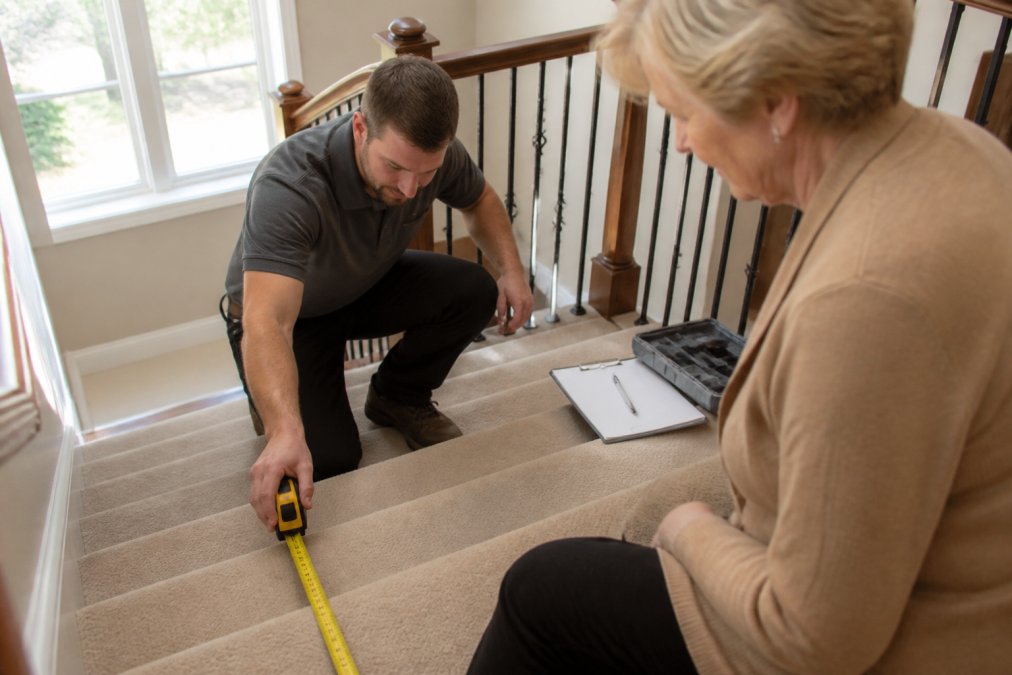
Getting a stairlift quote in Connecticut starts with scheduling a free in-home evaluation. Contact a local provider and request an appointment. Have basic information ready: your address, number of flights, whether stairs are straight or curved, and any mobility challenges. Most evaluations happen within a few days and take 30 to 60 minutes.
What to Expect During Your Assessment
The technician measures your staircase dimensions, width, height, angle, and length. For curved stairs, they take additional measurements at each turn and landing. They'll ask about your mobility challenges and safety concerns to determine whether you need features like a swivel seat, armrests, or backup battery power.
The technician will explain whether your staircase can accommodate a stairlift without modifications and discuss any preparation work needed. They'll show you product options that fit your staircase and discuss relevant features. By the end, you'll understand what's possible, what it involves, and the investment required. The provider will follow up with a formal quote detailing equipment, installation, warranty, and financing options.
Preparing Your Home for the Evaluation
Clear your staircase of obstacles and ensure it's well-lit. Keep pets in another room. Have medical documentation ready if pursuing insurance coverage. Make a list of questions or concerns before the appointment.
Rental vs. Purchase: Which Option Fits Your Situation
Renting a stairlift is ideal for temporary mobility needs while recovering from surgery or injury. Rental periods range from weeks to several months. You pay a monthly fee, and the provider handles installation and removal. This makes sense when you expect to regain mobility. Monthly rental fees eventually exceed purchase price if kept beyond 18 to 24 months.
Purchasing a stairlift is right for permanent mobility limitations or long-term needs. Once you own the equipment, there's no monthly rental cost, though you pay for maintenance and repairs. Ownership is typically more economical long-term. Ask whether both rental and purchase options are available during your evaluation.
Safety Features, Certifications, and Peace of Mind
When requesting a stairlift quote in Connecticut, safety features and certifications matter as much as price. Modern stairlifts include safety sensors that detect obstacles and stop automatically, emergency stop buttons, seat belts, and armrests for stability.
Battery backup systems ensure operation during power outages. Certifications indicate the equipment meets safety and performance standards. Weight capacity must match your needs, standard models handle 300 pounds; heavier-duty models are available. Swivel seats help you exit safely by allowing you to face the landing before standing.
Ask specifically about safety features included in each option. A provider emphasizing safety demonstrates genuine concern for your wellbeing.
Common Questions Before You Get Your Stairlift Quote
How long does installation take?
Straight staircases typically take one to two days. Curved stairlift installations often take two to three days due to custom track fitting.
Will a stairlift damage my staircase?
Mounting brackets are attached to the staircase structure carefully. When removed, small mounting holes remain and can be patched easily.
What happens if the stairlift breaks down?
Reputable providers offer warranty coverage and maintenance plans. Ask about warranty terms and available maintenance plans during your evaluation.
Can I install a stairlift myself?
Professional installation is necessary. Improper installation creates safety risks and may void the warranty.
What if I decide I don't need the stairlift after purchase?
Some providers buy back used stairlifts or help you resell equipment. Ask about buyback options when getting your quote.
How do I maintain a stairlift?
Keep the rail clean and free of debris. Lubricate moving parts per manufacturer recommendations. Regular maintenance inspections prevent major breakdowns.
Getting a stairlift quote in Connecticut is the first step toward regaining safe, independent access to every floor of your home. The free in-home evaluation removes guesswork, shows exactly what's possible in your situation, clarifies your financial options, and enables an informed decision. CT Stairlifts provides comprehensive evaluations addressing your unique needs and helping you understand how aging in place in your own home remains possible with the right equipment and support.
Frequently Asked Questions
Does Medicare cover stairlift installations?
Medicare Part B may cover mobility aids prescribed by a physician when medically necessary, but coverage is limited and requires specific documentation. A stairlift typically must be ordered by a doctor and deemed medically necessary for your condition. The best approach is to discuss your situation with your doctor and contact Medicare directly or work with a provider familiar with Medicare requirements to understand your specific eligibility.
What factors influence the price of a stairlift quote?
Your quote depends on several factors: whether your stairs are straight or curved, the length of your staircase, the weight capacity needed, whether you want new or reconditioned equipment, installation complexity, and any home modifications required. Indoor models cost less than outdoor options. Whether you rent or purchase also affects the price. Request a no-obligation quote to get an accurate estimate based on your home's specific configuration.
Can I rent a stairlift instead of buying one?
Yes, rental options are available for those who need temporary mobility solutions, such as recovery from surgery or injury. Renting allows you to avoid the full purchase cost while maintaining access to your home during your recovery period. Discuss rental versus purchase options during your free in-home evaluation to determine which aligns with your timeline and budget.
Are there state-funded programs for home accessibility modifications in Connecticut?
Connecticut offers various home modification assistance programs for seniors and individuals with disabilities, though eligibility and funding levels vary. These may include grants or low-interest loans through state aging agencies or disability services. Contact your local Area Agency on Aging or Connecticut Department of Aging to learn about current programs you may qualify for and how to apply.
This article was written using GrandRanker