 how-to
How to Choose a Reliable Stairlift Provider in 2026
Table of Contents
- Start With an In-Home Assessment, Not a Phone Quote
- Match the Stairlift Type and Model to the Staircase
- What Stairlift Installation Should Involve
- Read Stairlift Provider Reviews the Right Way
- Compare Stairlift Warranty Terms Line by Line
- Plan for Stairlift Maintenance and Repair Response
- Understand Total Cost of Ownership Before You Sign
- Frequently Asked Questions
Last Updated: October 21, 2026
Start With an In-Home Assessment, Not a Phone Quote
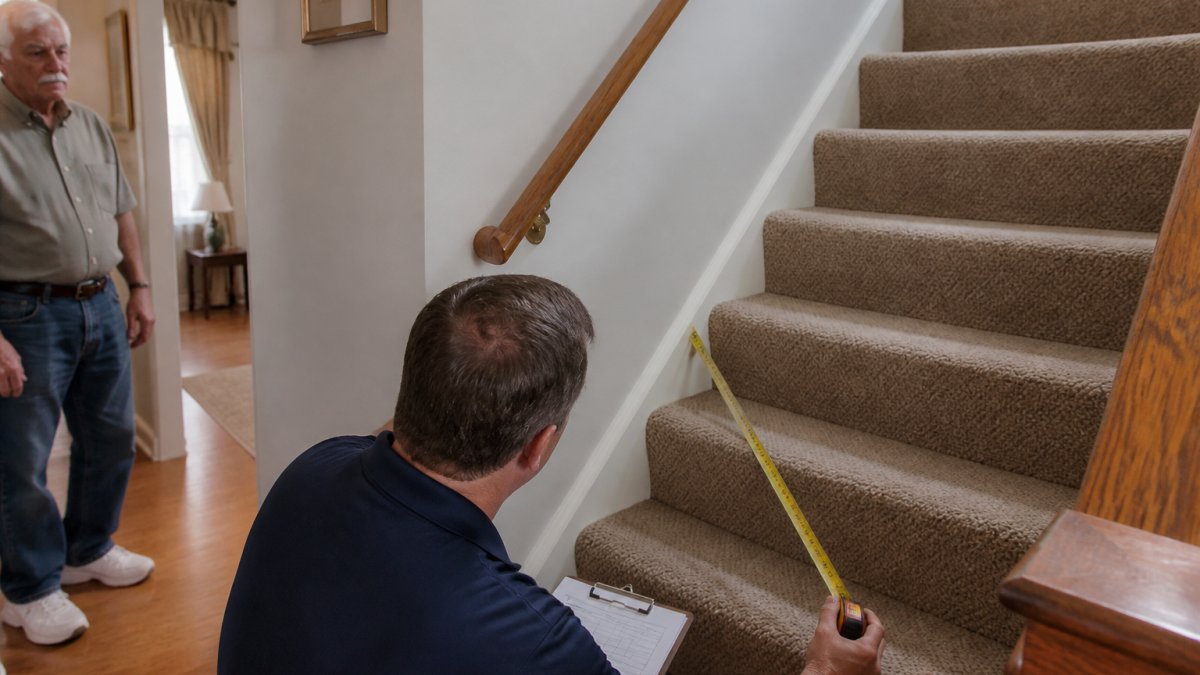
Choosing a reliable stairlift provider starts with one firm rule: insist on an in-home assessment before you discuss any number.
A proper assessment usually takes under an hour, and it should feel thorough rather than rushed.
What a Proper Staircase and Mobility Assessment Covers
The assessment should cover both the stairs and the person using them. On the staircase side, expect measurements of stair width, tread depth, riser height, and the landing space at the top.
On the mobility side, a good provider asks about weight capacity needs, how you grip and balance, whether you use a walker or cane, and which floor you spend most of the day on. The ADA National Network's home accessibility guidance is a useful primer on why these details matter for safe home modifications.
Match the Stairlift Type and Model to the Staircase
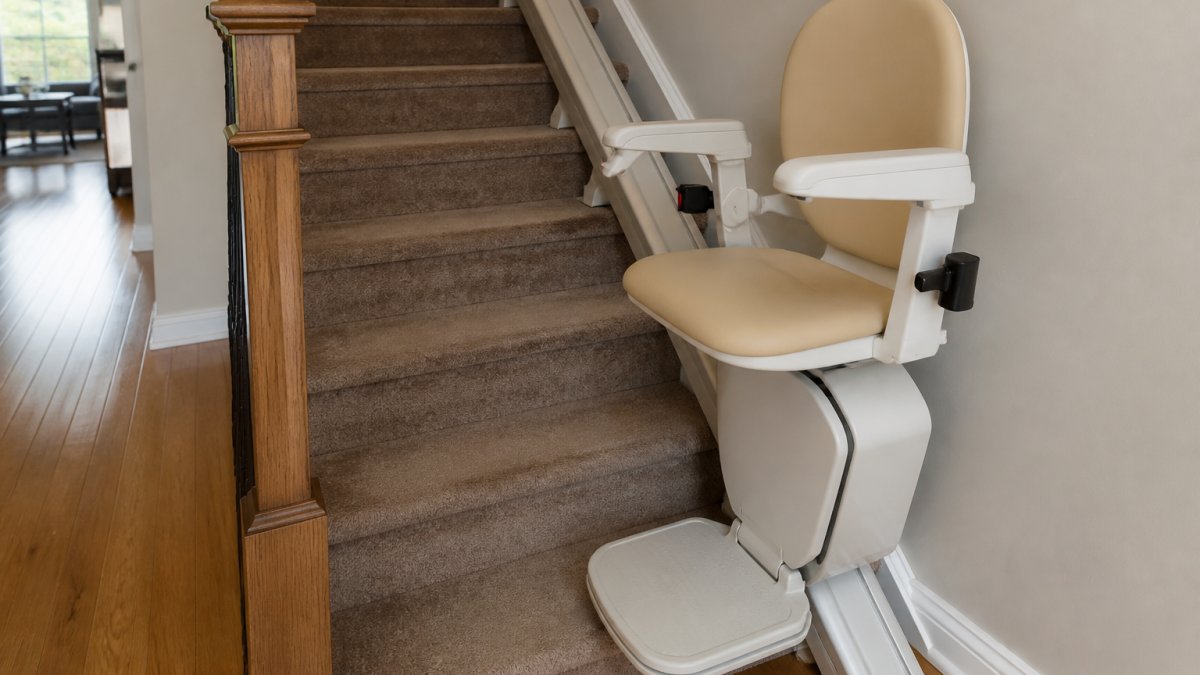
Stairlift selection comes down to staircase shape first and personal comfort second. A curved stairlift is built to follow turns, landings, and winders, and it is custom-made for your staircase rather than fitted from stock.
Beyond shape, weigh these factors:
- Weight capacity: confirm the rated limit comfortably exceeds the user's weight.
- Seat and footrest size: a larger seat helps users with limited hip mobility.
- Swivel seat: lets the rider turn to face the landing before standing.
- Folding rail and seat: keeps the staircase usable for others in the home.
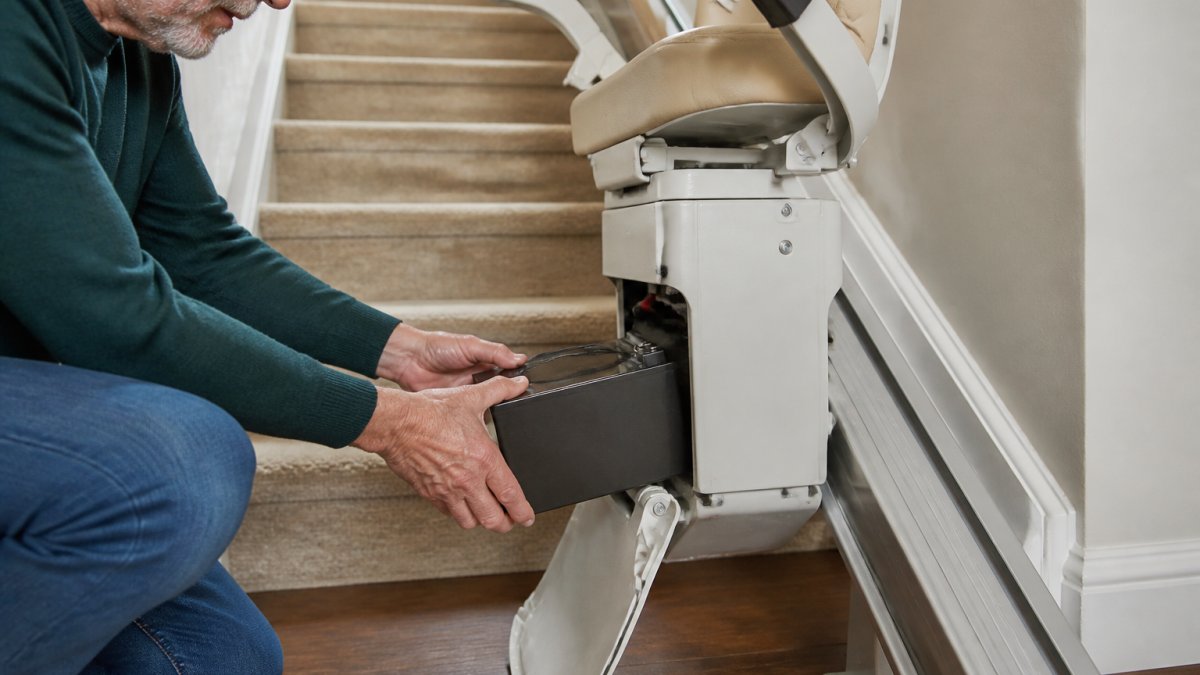
- Power supply and battery backup: keeps the lift running during an outage.
Outdoor models exist for exterior steps, though most indoor installations use a standard indoor unit. The U.S. Consumer Product Safety Commission publishes recall and safety notices worth checking for any model you are offered.
What Stairlift Installation Should Involve
Stairlift installation should take a few hours for a straight flight and longer for a curved unit, and it should end with a working demonstration, not a handshake. The installer should mount the track securely to the stair treads, connect the power supply, fit the seat and footrest, and then walk you through operating the lift yourself.
Ask the installer to show you the safety sensors, the seat belt, the swivel seat lock, and the battery backup before they leave. A reliable provider will also explain the obstruction detection feature, which stops the lift if something blocks the track.
Read Stairlift Provider Reviews the Right Way
Stairlift provider reviews are most useful when you read for patterns rather than star ratings. A single glowing review tells you little; repeated mentions of punctual installation, clear explanations, and fast repair visits tell you a lot.
Verify what you read. The Federal Trade Commission's guidance on endorsements and reviews explains how to spot reviews that may not be genuine.
A Provider-Vetting Checklist
Use this checklist before you commit to any provider:
- Offers an in-home assessment before quoting
- Explains straight versus curved options for your staircase
- Provides references from customers in your area
- States warranty terms in writing, including parts and labor
- Names a service response standard for repairs
- Confirms who handles installation and servicing
- Answers questions about financing and cancellation terms
Compare Stairlift Warranty Terms Line by Line
Stairlift warranty terms vary widely, and the differences matter more than the headline length. A warranty that covers parts but not labor can still leave you paying for the visit. Ask for the terms in writing and compare them across providers on the same criteria.
| Warranty Element | What to Check | Why It Matters |
|---|---|---|
| Coverage length | Years on parts vs. labor | Long parts coverage with short labor coverage shifts cost to you |
| Battery and motor | Included or excluded | These are the parts most likely to need replacement |
| Transferability | Applies to a new owner | Matters if the home may be sold |
| Service call fees | Charged or waived | A "free" warranty can still carry visit fees |
| Response standard | Stated timeframe | Tells you what to expect during a breakdown |
A provider that cannot produce written warranty terms before you sign is telling you something useful.
Plan for Stairlift Maintenance and Repair Response
Stairlift maintenance keeps the lift reliable, and repair response is what you rely on when it stops. The difference between a good and a bad ownership experience is rarely the hardware; it is how quickly and how competently someone shows up when the lift quits at the top of the stairs. Make the provider define that in writing before you buy.
What a Reliable Service Standard Looks Like
Ask each provider to state these commitments in the contract, not in conversation:
- Operating hours for service calls: whether the phone line is staffed on weekends and holidays, or only during business hours.
- Response targets: the stated time to return a call, to schedule a visit, and to arrive on site. A common pattern is a callback within one business day and an on-site visit within a few business days for non-emergency repairs.
- Emergency definition: what the provider classifies as an emergency, for example, a rider stranded mid-flight, and what the response target is for that case.
- Parts availability: whether replacement parts are stocked locally or ordered, and the typical lead time for the model you are buying.
- Technician qualifications: whether service is performed by the company's own trained technicians or subcontracted, and what training or certification they hold.
- Service coverage area: confirm your address falls inside the provider's regular service radius, since out-of-area visits often carry trip charges.
Maintenance Schedules and What They Cover
Ask how often servicing is recommended, many providers suggest an annual visit, and whether it is included in the purchase price or billed separately.
Confirm that spare parts are available for the specific model you are buying. An obsolete or discontinued model can mean long waits for a replacement motor or battery, and no service standard can fix a part that no longer exists.
Put the Commitment in the Contract
A stated response standard is only useful if it is enforceable. Ask the provider to write the response targets, the service hours, the parts lead time, and the service-call rate into the agreement. If the provider will not put those terms in writing, treat that as a signal about how the relationship will go after the sale.
Understand Total Cost of Ownership Before You Sign
Total cost of ownership is the full amount you will spend over the life of the lift, not just the purchase price. The advertised number is only the first line of a longer ledger, and providers that quote a single figure are usually hiding the rest of it. Ask every provider for the same itemized breakdown so you can compare like with like.
The Line Items to Demand in Writing
A complete quote should separate these costs rather than bundling them:
- Equipment: the lift unit itself, the seat, the footrest, and the battery backup.
- Track and custom fabrication: straight rail is stock; curved rail is measured, fabricated, and priced per foot and per turn.
- Delivery and installation: labor, mounting hardware, and any electrical work needed to reach a power supply.
- In-home assessment: confirm whether the visit is free or credited against the purchase.
- Servicing: whether routine maintenance is included for a set period or billed per visit.
- Replacement batteries: these wear out and are a recurring cost, not a one-time purchase.
- Repairs after warranty: ask for the current service-call rate and hourly labor rate.
Financing, Deposits, and Cancellation Terms
Financing changes the real price. Ask for the annual percentage rate, the total finance charge over the term, and whether there is a prepayment penalty. A low monthly payment stretched over a long term can cost far more than the sticker price suggests.
Review the contract for these terms before signing:
- Deposit: how much is required and whether it is refundable.
- Cancellation window: the number of days you have to cancel and what portion of the deposit is returned.
- Custom-order terms: curved lifts are built to measure, so cancellation rights are often narrower once fabrication begins.
- Installation delays: what the provider commits to if the install slips past the promised date, and whether you can cancel without penalty.
- Rental terms: if you are renting rather than buying, confirm the monthly rate, minimum term, and who pays for servicing and removal.
Compare on Lifetime Cost, Not Sticker Price
Build a simple table with one column per provider and one row per line item above, then add a five-year and ten-year total that includes servicing, batteries, and one out-of-warranty repair. The lowest purchase price frequently loses that comparison once service-call fees and battery replacements are counted. A provider that will not put its servicing and repair rates in writing is telling you the lifetime cost is higher than the quote suggests.
Frequently Asked Questions
What should I look for in a stairlift provider?
Look for a provider that sends someone to measure your staircase in person before quoting, explains which models fit your layout, and puts warranty, maintenance, and repair response terms in writing. Ask how long the company has installed locally, whether its installers are trained on the specific model, and what happens if the unit fails. A reliable stairlift provider answers these questions directly and gives you references from customers in your area.
Should a stairlift provider assess my staircase before giving a quote?
Yes. Staircase width, landing space, rail obstructions, and the user's mobility needs all affect which stairlift type and model will work. A phone quote based only on a description risks an inaccurate price or a unit that does not fit. Insist on an in-home assessment before you compare quotes, and ask the assessor to note any structural issues, such as a loose handrail or tight turn, that could change the stairlift installation plan.
What maintenance and warranty support should a stairlift provider offer?
Ask for the stairlift warranty length in writing, which parts and labor it covers, and whether it transfers if you sell the home. On stairlift maintenance, find out the recommended service interval, whether a service plan is included or extra, and the typical response time for repairs. Also confirm that parts are stocked locally, since a long wait for a replacement component can leave you without access to your upper floor.
Will Medicare cover the cost of a stairlift?
Medicare generally does not cover stairlifts because they are considered home modifications rather than durable medical equipment. Check your specific plan and any supplemental coverage directly with Medicare or your insurer before assuming coverage. Some state or local programs may offer assistance, but eligibility varies, so verify with the administering agency. Ask your stairlift provider whether they offer financing or payment options to spread the purchase price.
The real challenge is not finding a stairlift; it is finding a provider who will still answer the phone two years after installation. CT Stairlifts offers in-home assessments, specialized stairlift installation, and support designed to help you regain access to every floor of your home safely and conveniently. Get started with CT Stairlifts and choose a provider you can rely on for the life of the lift.