 how-to
How to Safely Operate a Stairlift: Step-by-Step Guide
Table of Contents
- Before You Ride: Essential Safety Checks and Preparation
- Getting On and Off a Stairlift Safely
- Operating the Controls and Riding Up and Down
- Stairlift Safety Rules and Best Practices
- Understanding Your Stairlift's Safety Features
- Stairlift Troubleshooting and Emergency Procedures
- Safe Operation for Special Circumstances
- Frequently Asked Questions
Last Updated: October 14, 2026
Before You Ride: Essential Safety Checks and Preparation
Learning how to safely operate a stairlift starts before you sit down. At CT Stairlifts, we emphasize that checking your stairlift is as important as checking your car before a drive.
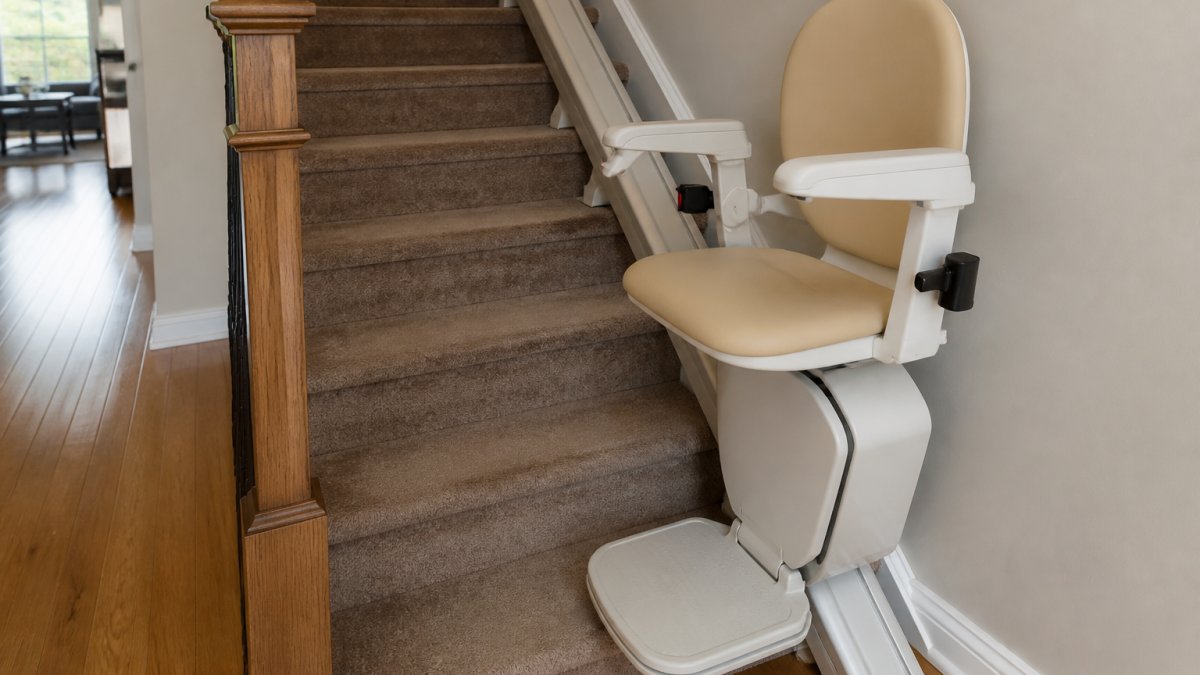
Inspect the rail for loose parts or debris, the seat for cleanliness, and the seat belt for fraying. Press the onboard controls to confirm they respond. If anything feels wrong, stop and contact your installer.
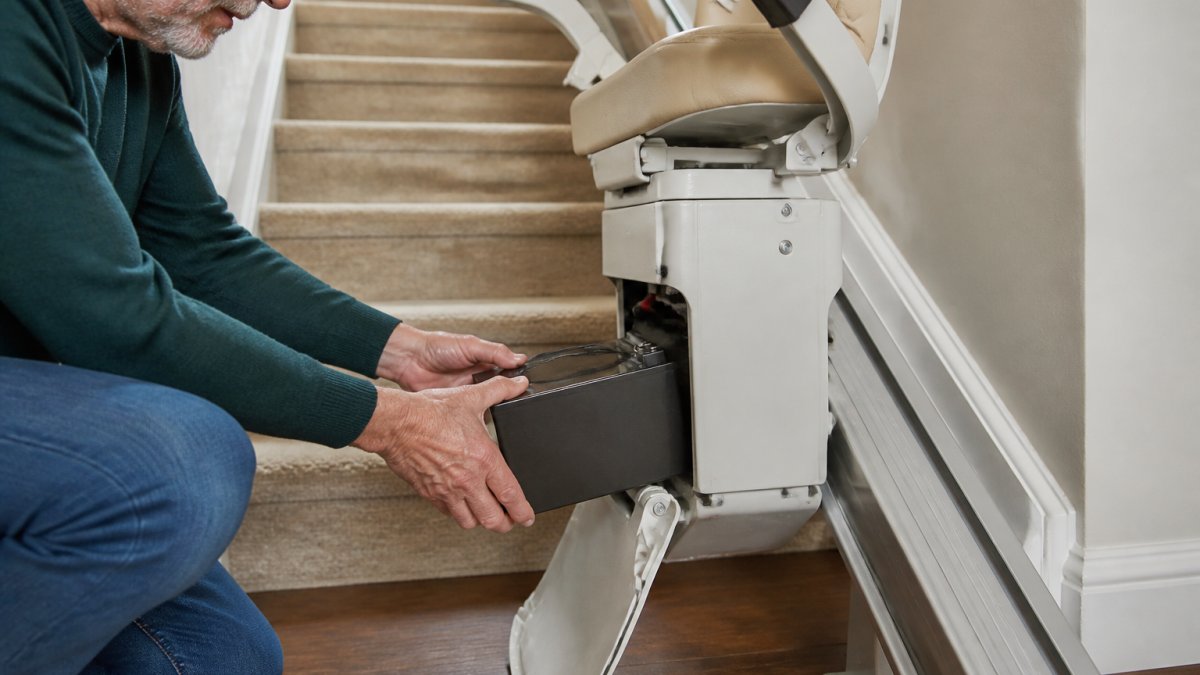
Check the charging point if your stairlift has a battery. Green means charging properly; red means it isn't. Never operate the chair with a battery warning light on.
Clear the stairway before you ride. Move toys, shoes, and boxes aside, ask family members and pets to step back, and keep handrails clear for balance.
Pre-ride checklist:
- Visual inspection of rail and seat complete
- Onboard controls respond to button presses
- Seat belt intact and not tangled
- Battery charging light is green (if battery-powered)
- Stairway is clear of obstacles
- No people or pets on the stairs
Getting On and Off a Stairlift Safely
Proper transfer technique protects your balance and prevents falls, so slow down and focus.
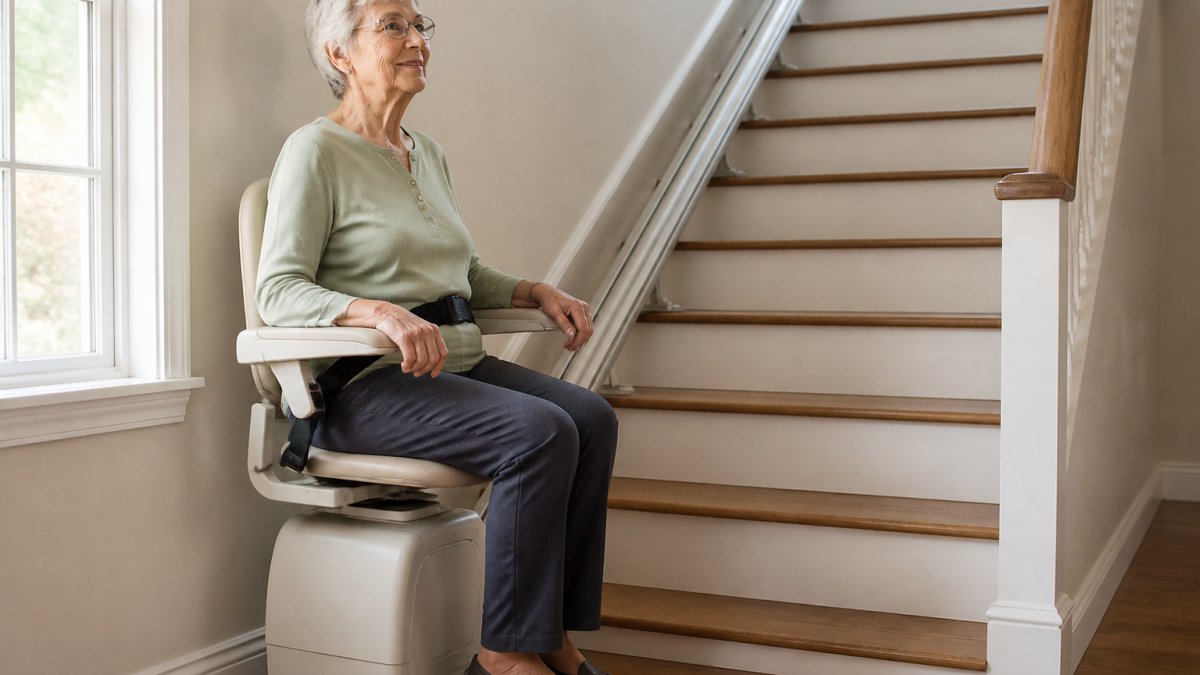
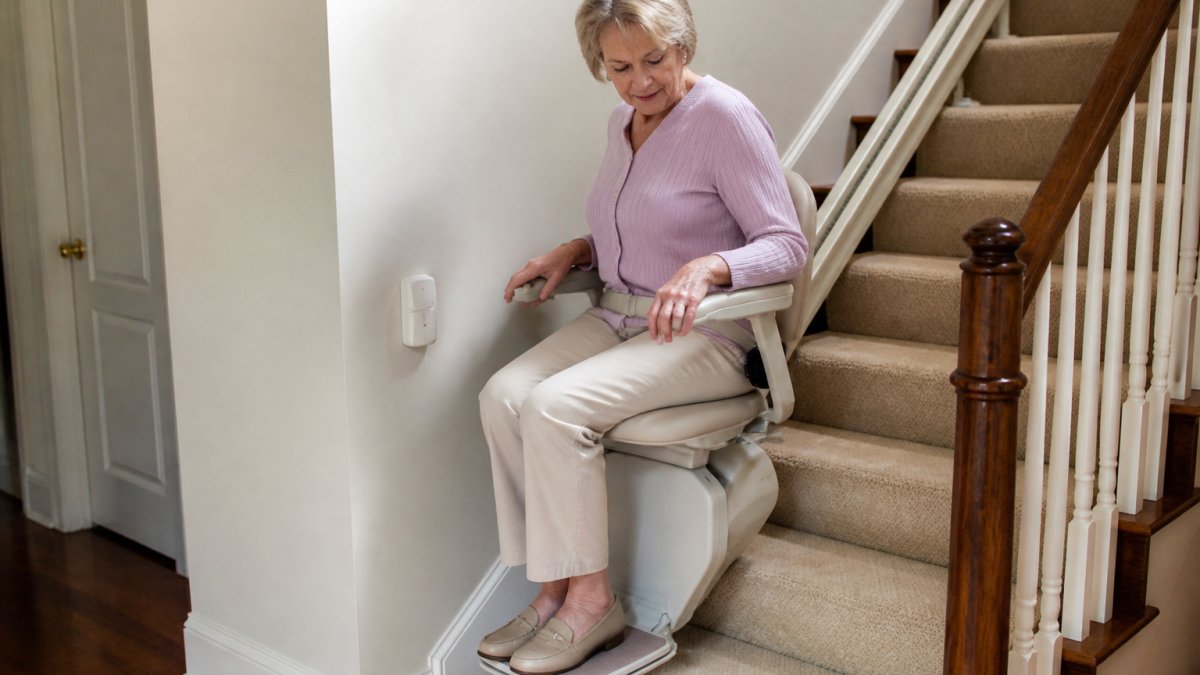
Approach from the side and stand close. If the stairlift has a hinged rail, make sure it's open before you sit. Sit slowly, back against the backrest, bottom fully on the seat.
Fasten the seat belt across your lap, snug enough to fit one finger under it. A loose belt won't protect you if the chair stops suddenly; a tight one can cut off circulation.
Place your feet flat on the footrest and keep your hands on the armrests or in your lap. Don't hang arms over the side or let feet touch the stairs.
At the landing, wait for a complete stop before standing. Unfasten the belt, stand slowly, step away, and hold the handrail if available.
Safe transfer steps:
- Approach from the side with a clear path
- Sit slowly and deliberately
- Fasten the seat belt snugly
- Place feet flat on the footrest
- Keep hands and arms inside the chair
- Wait for complete stop before standing
- Stand slowly and hold the handrail
Operating the Controls and Riding Up and Down
The control switch is how you command your stairlift; understanding it prevents mistakes.
Most stairlifts have an onboard control switch on the armrest with up and down arrow buttons. Press and hold an arrow to travel; release it and the chair stops.
Some models include a calling control, a remote you use from another floor to summon the chair, then operate with the onboard switch.
Ride smoothly and let the chair work at its safe, controlled speed. Most rides take 30 seconds to 2 minutes depending on the number of stairs.
Keep your weight centered and stay still until you reach your destination, leaning or shifting can throw off the chair's balance sensors.
Operating tips:
- Press and hold the arrow button to move
- Release the button to stop
- Ride smoothly without shifting position
- Allow the chair to travel at its set speed
- Use the calling control to summon the chair from another floor
Stairlift Safety Rules and Best Practices
Stairlift safety rules protect you and your family and extend the life of your equipment.
Never let children play on or around the stairlift, a pressed button can cause unexpected movement. Never let pets ride unsupervised; they can trigger the emergency stop or throw off your balance.
Don't carry large items while riding, they block your view and throw off your balance. To move something upstairs, put it on the chair, ride up empty, then return for it.
Wear fitted clothing, loose robes, long skirts, or dangling sleeves can catch in moving parts. Avoid socks without shoes, which slip on the footrest.
Never force the controls; if a button feels stuck, stop and call for help. Don't pour liquids on the controls or seat, water damages the motor and electrical system.
Keep the stairway well-lit and use a nightlight to prevent trips and falls.
Safety rules:
- Keep children and pets away during operation
- Never carry large items while riding
- Wear fitted clothing and supportive shoes
- Don't force controls that feel stuck
- Keep the stairway well-lit
- Never operate the chair if you feel unwell or dizzy
Understanding Your Stairlift's Safety Features
Modern stairlifts layer safety systems so no single failure leads to a fall. Knowing what each feature does, and doesn't do, helps you use the chair as designed.
Obstruction sensors. Most chairs use a pressure plate or infrared beam at the front of the carriage and along the footrest.
Seat belt interlock. On many current models the chair won't move unless the belt is buckled. If yours moves unbuckled, have the interlock checked.
Emergency stop. Usually a red mushroom button on the armrest, it cuts motor power immediately and holds the chair on the rail.
Final-limit and over-travel switches. These stop the carriage automatically at the top and bottom landings so it can't run off the rail.
Swivel seat and lock. On many curved and some straight models, the seat swivels toward the landing and locks before you stand.
Key switch or lockout. Many chairs have a key-operated switch that disables the controls.
Feature check:
- Obstruction sensor stops the chair before contact
- Seat belt interlock prevents movement when unbuckled
- Emergency stop cuts motor power instantly
- Final-limit switches stop the carriage at each landing
- Swivel seat locks before you stand
- Hinged rail is fully deployed and locked
- Charging light is green, not red or flashing
- Key switch is removed when the chair is unattended
Stairlift Troubleshooting and Emergency Procedures
A stairlift that stops mid-ride with you on it and no plan is dangerous. Work through problems in order, and know when to call a qualified technician.
If the chair stops between floors:
- Stay seated and keep the seat belt fastened.
- Press and hold the direction button for the way you were traveling. Many chairs resume after a brief pause.
- If nothing happens, press the direction button for the opposite way. Some models require you to back off an obstruction before continuing.
- Check the charging indicator. A red or flashing light usually means low battery.
- If the chair still will not move, use the manual descent or emergency lowering feature if your model has one (see below).
- If you cannot move the chair and you are not in immediate danger, call your installer or the manufacturer's service line from your cell phone. Do not attempt to climb over the armrest or step off the chair onto the stairs.
Power failure. Most stairlifts run on a battery charged from a wall outlet, so a household outage usually doesn't stop the chair mid-ride. If the outage drains the battery, the chair slows and stops.
Emergency stop in use. If you pressed it because you felt unwell, dizzy, or frightened, stay seated with the belt fastened until the feeling passes. Releasing the button restores power. If you can't safely continue, call for help rather than standing on the stairs.
When to call a technician (do not DIY):
- The chair moves on its own, or the controls respond without being pressed.
- The chair stops at the same spot on the rail every time.
- You hear grinding, clicking, or squealing from the motor or rail.
- The battery no longer holds a charge overnight.
- The seat belt, swivel lock, or obstruction sensor fails a routine test.
- The rail, brackets, or wall anchors look loose.
Stairlift motors, brakes, and control boards are not user-serviceable. Opening the carriage housing can void the warranty and create a shock or pinch hazard.
Children, pets, and other household members. Most household accidents involve someone other than the intended user:
- Remove the key and store it out of reach when the chair isn't in use.
- Teach children the stairlift is not a toy and pressing buttons can hurt someone.
- Keep pets off the stairs while the chair moves; a small animal can trip the obstruction sensor or be struck by the footrest.
- Don't leave items on the steps or rail, a dropped bag or shoes can stop the chair mid-travel.
- Before using the remote to call the chair, make sure no one is on the stairs.
Routine user checks (weekly).
- Confirm the charging light is green.
- Press each direction button briefly and confirm the chair responds.
- Buckle and unbuckle the seat belt; confirm the interlock engages.
- Wipe the rail and carriage with a dry cloth; never use water or spray cleaners on the motor or controls.
- Check for frayed belt webbing, cracked footrests, or loose armrests.
Signs it is time for professional service.
- Unusual noise that wasn't there last month.
- Slower travel speed than usual.
- More frequent recharging.
- Any error code on the display (note it before calling).
- Any change in how the chair feels or sounds, trust that instinct and have it inspected.
Emergency actions summary:
- Stuck mid-ride: stay seated, try both directions, check battery, then call for service
- Power failure: use manual lowering if equipped; otherwise wait for power or call for help
- Unwell mid-ride: press emergency stop, stay seated until you feel steady
- Unusual noise, speed, or error code: stop using the chair and schedule service
- Children or pets: remove the key, keep the path clear, supervise use
Safe Operation for Special Circumstances
Some users need extra care when operating a stairlift; understanding your situation helps you stay safe.
If you have balance problems, hold the armrest for the entire ride until the chair stops completely, keep your eyes forward, and avoid looking down at the stairs.
If you wear loose clothing for comfort or medical reasons, tuck it in before sitting, tie back long hair, and remove dangling jewelry to prevent catching fabric in moving parts.
If you're recovering from surgery, follow your doctor's advice on when to start using the stairlift and don't rush, a physical therapist can help you practice safe transfers.
Special circumstances checklist:
- Limited mobility: move slowly, use armrests, have someone nearby
- Balance problems: hold armrest throughout the ride
- Memory or cognition changes: post instructions, have caregiver supervise
- Loose clothing or jewelry: secure before riding
- Post-surgery recovery: follow medical guidance on timing
A stairlift gives you back the freedom to move through your home safely. Learning how to safely operate a stairlift is the key to using it with confidence.
Frequently Asked Questions
What should you check before using a stairlift each day?
Before each use, inspect the rail for obstructions, ensure the seat is in the correct position at the landing, check that the seat belt functions properly, and confirm the control switch responds when pressed. Verify the charging point connection if your stairlift is battery-powered. Clear the stairway of any objects that could interfere with the chair's movement. If you notice any unusual sounds, jerky movements, or unresponsive controls, contact a technician before operating the stairlift.
What do you do if a stairlift stops on the stairs?
If your stairlift stops while you're riding, remain seated and keep your feet clear of the rail and stairs. Do not attempt to stand or move the chair manually. If it's a temporary power interruption, wait a few moments as the system may resume. If the stairlift does not restart, use the manual descent feature if your model has one, following the manufacturer's instructions. Otherwise, call for assistance from someone who can help you exit safely or contact your stairlift provider's emergency support line.
How do you safely get on and off a stairlift?
Always position yourself squarely on the seat before sitting down fully. Once seated, fasten the seat belt across your lap and ensure it is snug but comfortable. To exit, reverse the process: ensure the chair is stopped at the landing, unfasten the seat belt, and stand up only when you have solid footing on the landing. Use the armrests for support if needed. Never attempt to transfer while the chair is between landings or moving.
What are the main safety features that protect stairlift riders?
Modern stairlifts include obstruction sensors that detect blockages on the rail and stop the chair automatically, a seat belt to keep you secure during the ride, safety sensors at the top and bottom landings to prevent overtravel, and emergency stop buttons on the onboard controls and remote. The hinged rail design folds away when not in use to keep the stairway clear. Battery backup systems allow descent during power failures, and wall and stair attachments ensure the rail stays firmly anchored throughout operation.