 how-to
How to Safely Use a Stairlift: Step-by-Step Guide
Table of Contents
- Before You Start: Pre-Operation Safety Checks
- How to Transfer to a Stairlift Safely
- Operating the Stairlift Controls Correctly
- Using the Footrest and Armrests During Your Ride
- Stairlift Safety Features During Power Outages
- Stairlift Maintenance Checklist for Safe Operation
- Common Mistakes to Avoid When Using Your Stairlift
- Frequently Asked Questions
Last Updated: September 25, 2026
Before You Start: Pre-Operation Safety Checks
To safely use a stairlift, perform a quick safety inspection before each use. This takes just a few minutes and prevents accidents.
Check these items every time you use the stairlift:
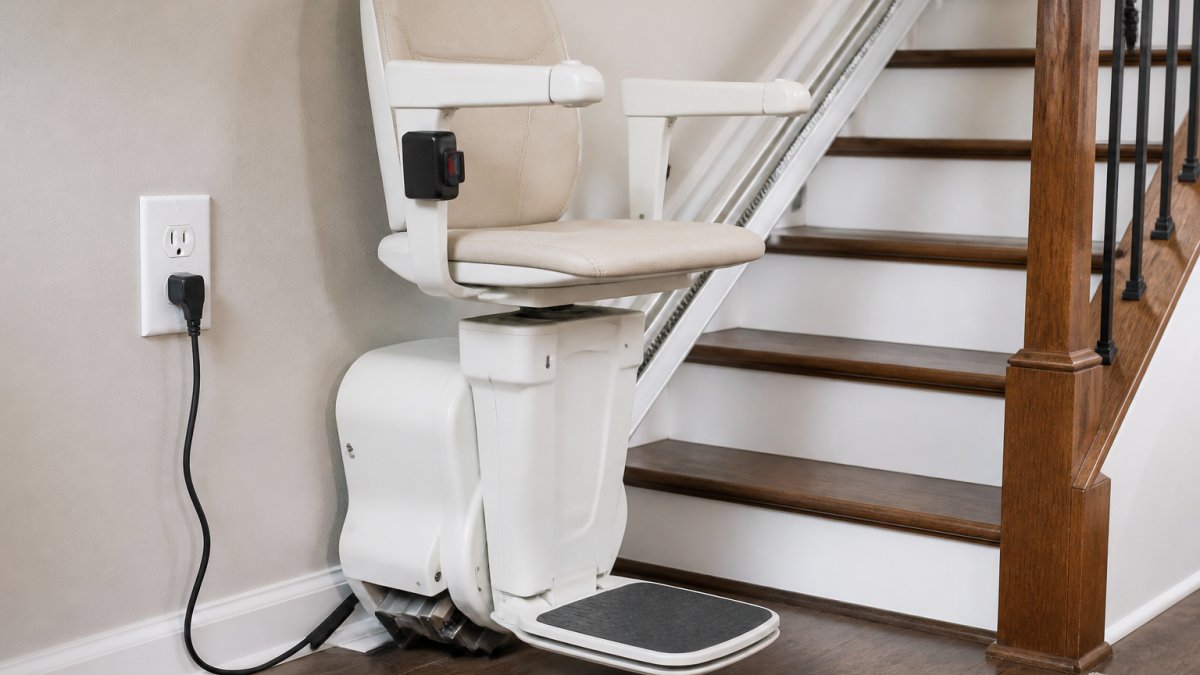
- Power source: Is the unit plugged in? Does the battery backup light show green?
- Track condition: Look for debris, dust, or obstructions on the rail. Clear any items blocking the path.
- Seat and belt: Is the seat clean and dry? Does the seat belt buckle securely without fraying?
- Armrests: Are both armrests intact and locked in place? Wiggle them gently to confirm stability.
- Footrest: Does it fold up and down smoothly? Check for cracks or loose parts.
- Control lever: Press it gently in both directions. It should respond immediately without sticking.
If anything feels loose, damaged, or unresponsive, stop using the stairlift immediately. Contact a qualified technician before your next use.
Test the emergency stop button by pressing it. The stairlift should halt instantly. This button is your safety backup if anything goes wrong during operation.
How to Transfer to a Stairlift Safely
Transferring to your stairlift correctly is the foundation of safe operation, as most user injuries happen during transfer, not during the ride itself.
Positioning Yourself at the Bottom Landing
Position your body correctly before sitting down. Stand facing the stairlift seat with your back toward it. Your feet should be planted firmly on the landing with good balance.
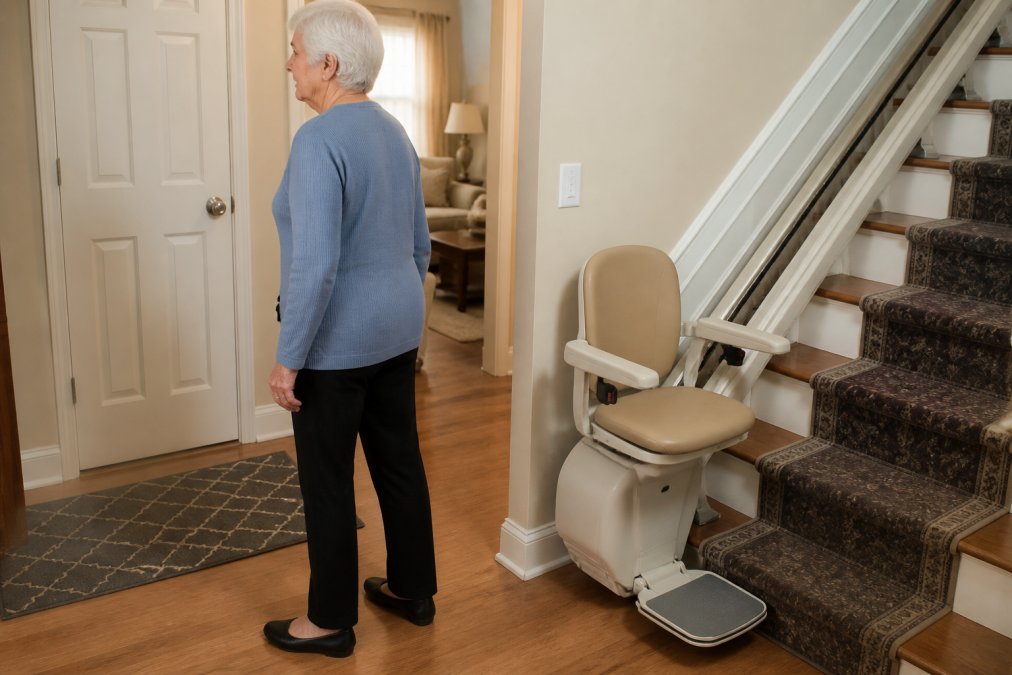
If you use a cane or walker, set it down safely on the landing and grip the armrests instead. Keep the staircase clear of clutter and take a moment to feel stable before sitting down.
Physical Preparation: Exercises to Improve Transfer Safety
If you have limited mobility, arthritis, or balance concerns, simple exercises performed daily can make transfers safer and easier. These require no equipment and take just 5-10 minutes.
Sit-to-stand practice: Do this 5-10 times daily to build leg strength. Balance exercises: Shift weight side-to-side 10 times daily. Grip strength: Squeeze a stress ball 10 times per hand, three times daily. Ankle flexibility: Point toes down and up 15 times to improve footrest positioning.
Start these exercises at least one week before installation. Consult your doctor if you have arthritis, heart disease, or other health conditions.
Getting Seated and Securing the Seat Belt
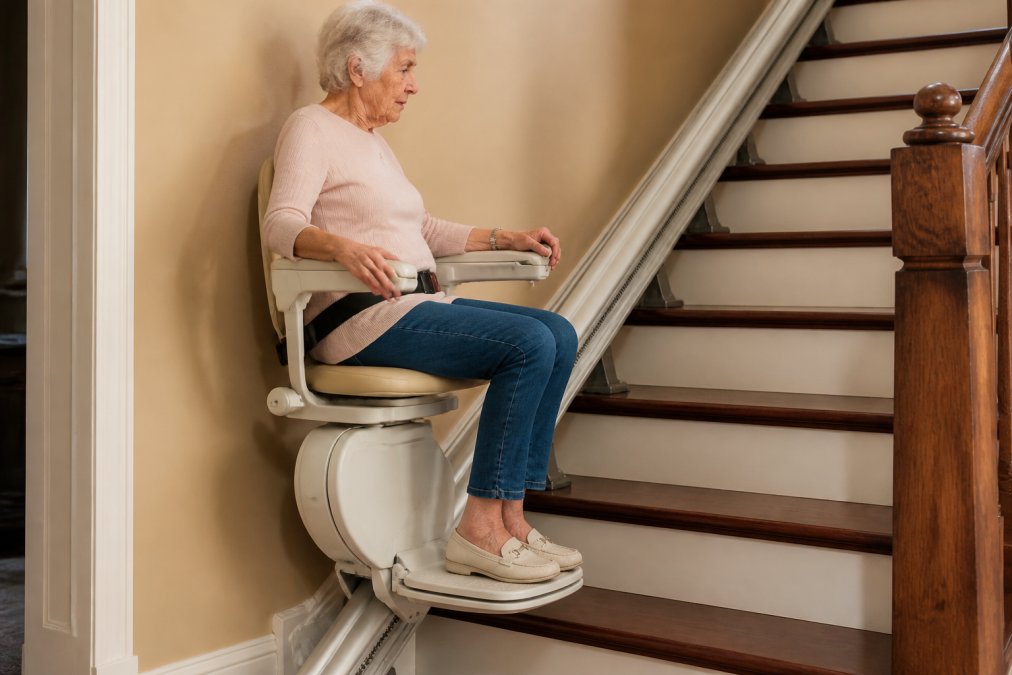
Lower yourself slowly into the seat using the armrests for support. Do not drop into the seat or flop backward. Controlled movement prevents injury. If you feel unsteady, pause halfway down and regain your balance before continuing.
Once seated, ensure your back is against the backrest and your bottom is fully in the seat.
Fasten the seat belt snugly across your lap, tight enough to stay secure but loose enough to slide one finger underneath. The seat belt keeps you stable during movement.
Adjust the footrest so your feet rest flat, not dangling. If the footrest does not adjust to your height, contact your installer about extended or adjustable options.
Grip both armrests lightly to avoid arm fatigue.
Troubleshooting Common Transfer Problems
Problem: You feel unsteady when standing at the landing before transfer. Solution: Rest for 5-10 minutes, drink water, and ask a family member to stand nearby. Consider installing a grab bar for additional support.
Problem: The seat feels too high or too low. Solution: Check if your model has adjustable seat height, or practice sit-to-stand exercises to strengthen your legs.
Problem: You cannot grip the armrests firmly due to arthritis or weak hands. Solution: Ask your installer about padded, contoured, or wider-grip armrests. Some models feature rotating armrests to ease transfer.
Problem: You feel nervous or anxious about the transfer. Solution: Ask your installer to walk you through the transfer during setup. Anxiety typically decreases after 3-5 successful transfers.
Operating the Stairlift Controls Correctly
Your stairlift has simple controls that most users master in one or two rides.
Using the Control Lever and Remote Control
Push the control lever gently forward to move up; pull it backward to move down. Use gentle, steady pressure for smooth, controlled movement at about one stair per second.
Keep the remote control in a safe place. If it stops responding, check the battery. Test your controls on a short ride first to get comfortable with the stairlift's response.
Maintaining Steady and Controlled Movement
Use steady pressure on the control lever and keep your body still, do not lean or shift weight. Watch ahead for obstacles and never stand while moving. If the stairlift jerks, inspect the track for debris and clean with a dry cloth.
What to Do If the Stairlift Stops Mid-Track
If your stairlift stops unexpectedly while you are on the stairs, stay calm. This is not an emergency in most cases.
Release the control lever and re-engage it gently. Check for obstructions on the track and ask a family member to remove them. Check the battery indicator light. If the stairlift does not move after 30 seconds, press the emergency stop button and call a qualified technician. (Source: National Institute on Aging's recommendations for home safety)
Manual descent feature: If your stairlift has a manual descent option (common on newer models), your installer will have shown you how to use it during setup. This allows you to lower the stairlift slowly to the nearest landing by hand if the battery is completely dead. Consult your user manual for instructions specific to your model.
Caregiver Assistance: How to Help Someone Using a Stairlift
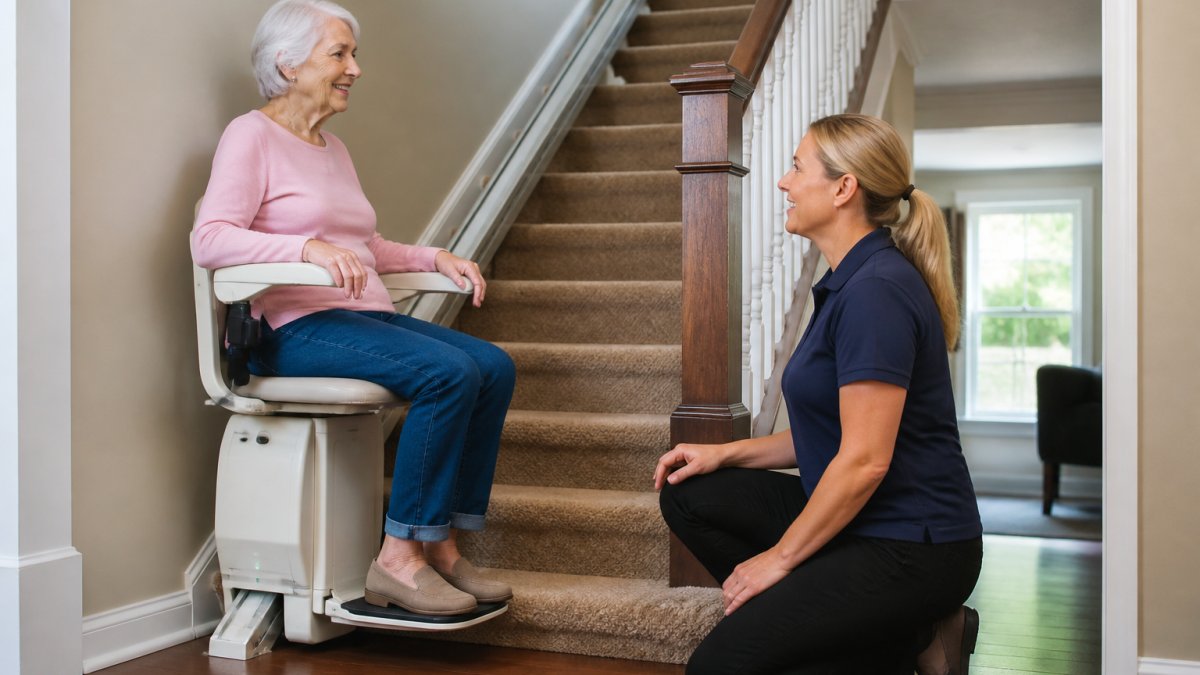
If you are a family member or caregiver assisting someone on a stairlift, your role is to provide reassurance and safety oversight, not to operate the stairlift for the user (unless they are unable to do so).
Before the ride: Stand nearby, confirm the seat belt and footrest are in place, and ask if the user feels ready. During the ride: Stand on the destination landing, watch posture, keep the staircase clear, and speak calmly if the user panics. After the ride: Offer balance support and ensure stability before they walk away.
If the stairlift stops mid-ride: Reassure the user, ask them to release the control lever, check for obstructions, and call the installer's emergency line if it does not restart after 30 seconds. For users with cognitive decline or severe anxiety: Consult their doctor about whether a stairlift is appropriate, or consider alternative mobility solutions.
Using the Footrest and Armrests During Your Ride
The footrest and armrests are safety features, not optional extras. Use them correctly on every ride.
Keep your feet on the footrest throughout the ride. Grip the armrests lightly for balance, let the stairlift do the work. If you have arthritis or weak hands, ask about padded or wider-grip armrests. Never remove or disable the armrests.
Stairlift Safety Features During Power Outages
Your stairlift has built-in safety systems to protect you if power is lost. Understanding these features reduces anxiety about using your stairlift.
Most stairlifts have a battery backup system that provides power for one or two full trips if the power goes out.
Stairlift Maintenance Checklist for Safe Operation
Regular maintenance keeps your stairlift safe and reliable. A well-maintained stairlift lasts longer and performs better.
Perform these checks monthly:
| Maintenance Task | Frequency | What to Check |
|---|---|---|
| Clean the track | Monthly | Remove dust and debris with a dry cloth |
| Test the emergency stop | Monthly | Press the button and confirm immediate halt |
| Check the seat belt | Monthly | Ensure buckle works and belt shows no wear |
| Inspect armrests | Monthly | Look for cracks, loose bolts, or damage |
| Test the footrest | Monthly | Fold up and down; check for smooth movement |
| Check battery indicator | Weekly | Confirm light shows green; recharge if needed |
| Wipe the seat | Weekly | Keep the seat clean and dry |
Call a professional technician if you notice:
- Unusual noises during operation
- Jerky or uneven movement
- The stairlift stopping unexpectedly
- Visible cracks or damage to any part
- Loose bolts or fasteners
- The control lever sticking or not responding
Common Mistakes to Avoid When Using Your Stairlift
Learning what not to do is as important as learning correct technique. These mistakes cause injuries and equipment damage.
Frequently Asked Questions
What should I do if my stairlift stops during a power outage?
Most stairlifts include battery backup systems that allow you to continue moving to the nearest landing if power is lost. Remain calm and seated. Use the control lever slowly to reach a safe exit point. If the battery backup fails, contact your installer or a qualified technician. Never attempt to exit the stairlift midway on the stairs. Regular maintenance checks help ensure your backup battery functions properly when needed.
Are there weight limits I need to be aware of for stairlift safety?
Yes. Every stairlift has a specific weight capacity listed in its manual. Exceeding this limit compromises the locking mechanism, track stability, and overall safety. Typical residential stairlifts accommodate weights up to 300 pounds, but capacities vary by model. Check your equipment's documentation or contact your installer to confirm your stairlift's exact weight limit. Using the stairlift beyond its rated capacity increases risk of malfunction and injury.
How often should a stairlift be professionally serviced for safety?
Most manufacturers recommend annual professional maintenance to ensure all components function safely. During a service visit, technicians inspect the track, carriage, seat belt, control systems, and battery backup. Regular maintenance identifies wear before it becomes a safety hazard. Between services, perform monthly visual checks for loose bolts, debris, or visible damage. A well-maintained stairlift operates reliably for many years and reduces the risk of unexpected breakdowns.
What are the most important safety features to check on a stairlift?
Key safety features include the seat belt, safety sensors that detect obstructions on the track, the emergency stop button, the locking mechanism that secures the carriage, armrests, and the footrest. Before each use, verify the seat belt fastens securely, the footrest operates smoothly, armrests are stable, and no debris blocks the track. Test the emergency stop button monthly. These features work together to prevent falls and ensure steady, controlled movement up and down the stairs.