 how-to
How to Choose a Reliable Stairlift Installer
Table of Contents
- What to Look for in a Reliable Stairlift Installer
- Verify Installer Qualifications and Certifications
- Questions to Ask a Stairlift Company Before Hiring
- Understanding the Stairlift Installation Process
- How to Evaluate Stairlift Installer Reviews and References
- Comparing Stairlift Installation Cost and Written Quotes
- Red Flags and How to Avoid Unreliable Installers
- Conclusion
- Frequently Asked Questions
Last Updated: October 19, 2026
What to Look for in a Reliable Stairlift Installer
Choosing a reliable stairlift installer is one of the most important decisions you'll make for your home's safety and accessibility. The difference between working with a qualified professional and an inexperienced operator can mean the difference between a stairlift that works flawlessly for years and one that becomes a source of frustration, or worse, a safety hazard.
The right installer brings more than just technical skills. They bring peace of mind. They understand your home's unique layout, ask the right questions, and stand behind their work with proper warranties and support.
A reliable stairlift installer combines several key qualities. They hold current certifications and licensing. They carry proper insurance. They perform a thorough in-home assessment before quoting. They provide transparent pricing in writing. They answer your questions directly without pressure. Most importantly, they have verifiable references from local customers who've had successful installations.
This guide walks you through exactly what to evaluate when selecting a stairlift installer. We'll cover the credentials to verify, the questions to ask, the installation process itself, and how to spot red flags before you sign a contract.
Verify Installer Qualifications and Certifications
Not every company that sells stairlifts employs factory-trained technicians. The difference matters significantly. A certified installer has completed manufacturer training, understands safety protocols, and knows how to handle the unique challenges different staircase layouts present.
Start by asking about certifications directly. Request documentation. A legitimate installer will provide proof without hesitation. They should be trained by the stairlift manufacturer they install. This training covers equipment operation, safety features, troubleshooting, and proper installation techniques for straight and curved stairlifts alike.
Licensing requirements vary by state. Some states require general contractor licensing for installation work. Others have specific requirements for medical equipment installation. Ask your installer what licenses they hold and verify them with your state's licensing board. This takes minutes online and protects you significantly.
Insurance is non-negotiable. Your installer should carry general liability insurance and workers' compensation coverage. Liability insurance protects you if someone is injured during installation. Workers' compensation protects their employees. Request a current certificate of insurance. Call the insurance company to verify it's active, don't just accept a printed certificate.
Local experience matters more than national brand recognition. An installer who has worked in your area understands local building codes, typical home construction, and climate considerations. They've solved problems specific to your region. They know the local permit requirements.
Questions to Ask a Stairlift Company Before Hiring
The questions you ask reveal how much the company cares about getting it right. Experienced installers expect detailed questions. They welcome them. If an installer seems irritated by your questions or rushes through answers, that's a warning sign.
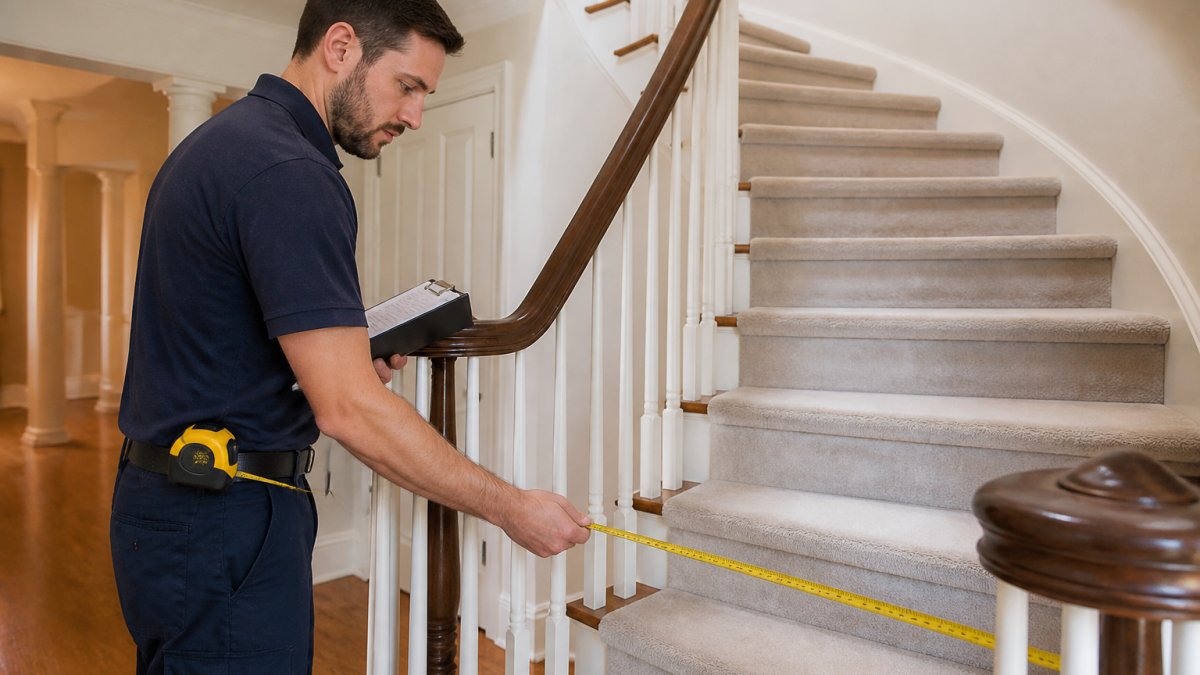
Ask about the in-home assessment process first. A thorough assessment takes time. The installer should visit your home, measure your staircase carefully, evaluate the wall structure, check electrical access, and discuss your specific mobility needs.
Ask about the installation timeline. How long does the actual installation take? Straight stairlift installations typically take less time than curved stairlifts due to custom rail fabrication. Ask what happens during installation.
Ask about safety features specific to your needs. Modern stairlifts include obstruction detection sensors, seat belts, swivel seats for safe exit, and backup power systems. This matters if you live in an area with frequent power outages.
Ask about warranty coverage in detail. What does the manufacturer warranty cover? How long does it last? What about the installer's workmanship guarantee? Some installers offer extended warranties or maintenance plans.
Ask about the total cost and what's included. Request an itemized written quote. The quote should list the stairlift model, installation labor, any modifications needed, permits, and any additional services. Ask if they handle permits or if you're responsible.
Ask for references from customers in your area. A reputable installer will provide at least three references. Contact them. Ask how long ago they had their installation. Ask if they're satisfied with the stairlift's performance.
Understanding the Stairlift Installation Process
Knowing what to expect during installation reduces anxiety and helps you prepare your home properly. The installation process follows a logical sequence, though specific steps vary depending on whether you're getting a straight or curved stairlift.
The first step is the in-home assessment and measurements. The installer examines your staircase dimensions, the wall structure, electrical access, and your specific needs. They determine whether a straight stairlift will work or if you need a custom curved system. They check for obstacles like landings, turns, or unusual angles. This assessment determines the final cost and installation timeline.
Next comes the ordering and fabrication phase. For straight stairlifts, the installer orders the rail and chair. For curved stairlifts, custom rails must be fabricated to match your exact staircase shape. The installer should provide a clear timeline.
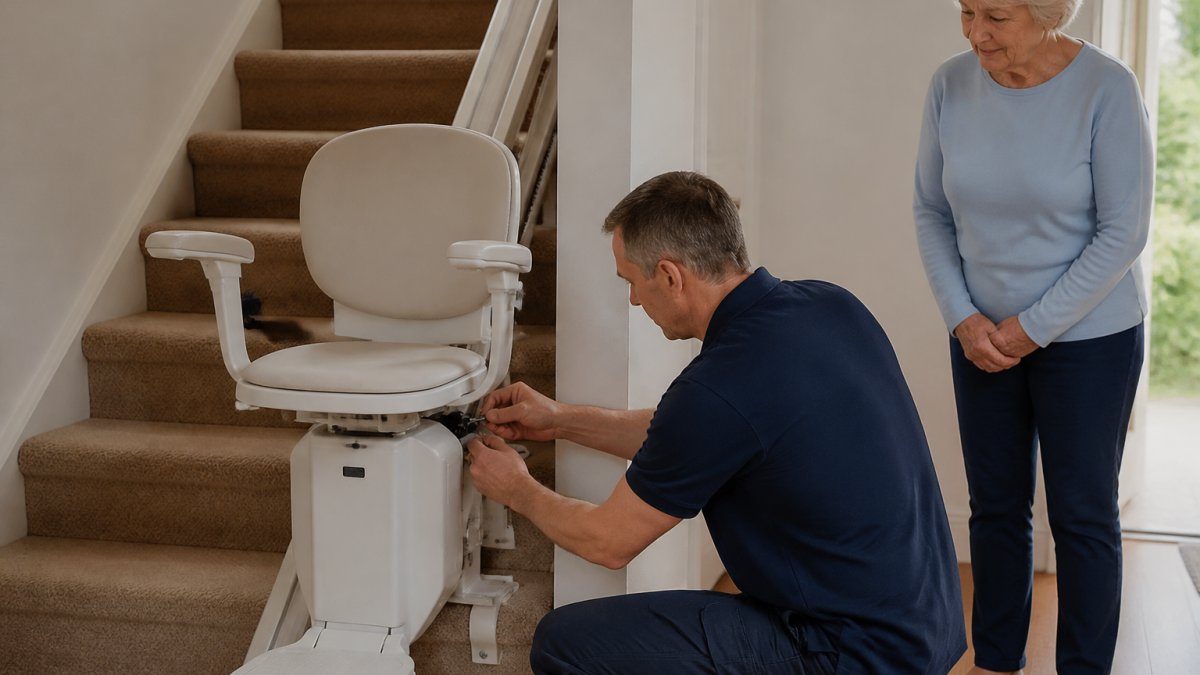
Installation day involves several stages. The installer arrives with the equipment and tools. They protect your home with coverings if needed. They secure the rail to your staircase using brackets. For curved systems, they assemble the custom rail sections. They install the chair, test all safety features, and train you on operation.
After installation, the installer should provide thorough training. They demonstrate how to operate the stairlift safely. They show you how to use the emergency descent feature if power fails. They explain the backup battery system. They review all safety features. They provide written instructions and contact information for service calls.
How to Evaluate Stairlift Installer Reviews and References
Online reviews give you one perspective. References from actual customers give you another. Together, they paint a clear picture of whether an installer is reliable.
Start with online reviews on Google, Yelp, and the Better Business Bureau. Read recent reviews first. Look for patterns. Do customers consistently praise the installer's professionalism? Do they mention clear communication and fair pricing? Do reviews mention problems that the installer resolved quickly?
Don't just count stars. Read the actual review text. Look for specific details. Reviews that mention the installer's name, the timeline, specific challenges they solved, and follow-up service are more credible than generic praise. Negative reviews that describe specific problems are more useful than vague complaints.
Request references directly from your installer. Ask for customers who had installations similar to yours. If you need a curved stairlift, ask for references from people who also got curved systems. Call or email these references. Ask specific questions: How long ago was your installation?
Check the Better Business Bureau rating and complaint history. The BBB tracks complaints and how companies resolve them.
Ask about local references specifically. A company might have great reviews from across the country but limited experience in your area. Local references prove they understand your region's building codes, climate, and typical home construction. They've solved problems specific to your area.
Comparing Stairlift Installation Cost and Written Quotes
Cost is a legitimate concern, but the cheapest quote isn't always the best value. A low price might reflect inexperience, corner-cutting, or hidden fees that appear later.
Request written quotes from at least two or three installers. Each quote should itemize the costs clearly. The quote should include the stairlift model and price, installation labor, any structural modifications needed, permit fees, and any optional services like extended warranties or maintenance plans.
Compare what's included in each quote. One installer might include permits and training. Another might charge extra for these services. One quote might include a one-year warranty. Another might offer three years. These differences affect the true total cost.
Ask about payment terms. Some installers require full payment before installation begins. Others accept payment plans or work with financing companies. Ask if there are any costs that aren't included in the quote. Ask about travel fees if the installer must travel a significant distance.
Be cautious of quotes that seem unusually low. An installer quoting significantly less than others might be cutting corners on quality, using less experienced technicians, or planning to upsell additional services once work begins. Conversely, don't assume the highest price means the best quality.
Ask each installer how they handle unexpected issues. If they discover during installation that your wall structure requires reinforcement or electrical work needs upgrades, will they charge extra? How much notice will they give? A professional installer will explain potential complications upfront and provide estimates for any additional work.
Red Flags and How to Avoid Unreliable Installers
Certain warning signs suggest an installer may not be reliable. Learning to spot them protects you from poor service, safety issues, and financial loss.
High-pressure sales tactics are a major red flag. A reliable installer explains your options and answers your questions. They don't pressure you to decide immediately. They don't use scare tactics about safety to force a sale.
Reluctance to provide references is a serious warning sign. Every established installer should have satisfied customers willing to discuss their experience. If an installer makes excuses or claims they can't share references, that's suspicious.
Unwillingness to provide written quotes is another red flag. A professional provides itemized quotes in writing.
Lack of proper licensing and insurance is disqualifying. Don't proceed without verifying both. Unlicensed installers might cut corners on safety. If someone is injured during installation, you could face liability if the installer isn't insured.
Vague answers about the installation process suggest inexperience. A professional explains exactly what will happen, how long it will take, and what you need to do to prepare.
Negative reviews that describe safety concerns or incomplete work are serious warnings. One complaint might be an unhappy customer. Multiple complaints about the same issue suggest a real problem.
Unwillingness to discuss building codes and permits is concerning. A professional installer knows local codes and handles or coordinates permit requirements. If they're unclear about these requirements, they might not be experienced in your area.
Conclusion
Selecting a reliable stairlift installer requires asking the right questions, verifying credentials, and checking references carefully. The installer you choose affects not just how well your stairlift works, but your confidence and safety using it every day.
When you're ready to regain access to every floor of your home safely, we're here to make the process straightforward and worry-free.
| Evaluation Criteria | What to Check | Why It Matters |
|---|---|---|
| Certifications | Factory training, state licensing | Ensures technical competence and legal compliance |
| Insurance | General liability and workers' comp | Protects you if injuries occur during installation |
| References | Local customers, recent installations | Proves real-world experience and satisfaction |
| Written Quote | Itemized costs, included services | Prevents hidden fees and scope confusion |
| Warranty | Coverage details, response time | Protects your investment long-term |
| Communication | Clear answers, no pressure tactics | Indicates professionalism and trustworthiness |
Frequently Asked Questions
What qualifications should a reliable stairlift installer have?
A reliable stairlift installer should be factory-trained, licensed, and insured. Ask to see proof of liability insurance and workers' compensation coverage. Verify they have experience installing the specific brand of stairlift you're considering. Certified installers have completed manufacturer training programs and understand local building codes and accessibility requirements. Request references from previous installations in your area to confirm their track record.
How do I check a stairlift company's reputation and reviews?
Search for independent reviews on Google, the Better Business Bureau, and consumer review sites. Ask the installer for references from recent customers willing to discuss their experience. Contact your local health department or building authority to check for any complaints or violations. Review online ratings carefully, looking for patterns in feedback about installation quality, professionalism, and after-sales service. Speak directly with past customers about their satisfaction and whether the installer addressed issues promptly.
What should I expect to pay for stairlift installation?
Stairlift installation costs depend on your staircase layout, whether you need a straight or curved stairlift, your home's accessibility requirements, and local labor rates. Request written quotes from multiple installers that itemize all costs clearly. A comprehensive quote should include the equipment, labor, safety inspections, and any modifications needed to your home. Ask whether warranty coverage, maintenance visits, and post-installation support are included. Always get quotes in writing to compare services fairly and identify any hidden fees.
How long does a typical stairlift installation take?
Most stairlift installations take one to three days, depending on your staircase configuration and whether modifications are needed. A straight stairlift on a standard staircase typically takes less time than a curved stairlift requiring custom fabrication. The installer should conduct an in-home assessment first to measure your staircase and identify any complications. Ask your installer for a realistic timeline before work begins. They should also explain what to expect on installation day, including any disruption to your home and safety precautions they'll take.