 ultimate-guide
How to Buy a Stairlift: 2026 Buying Guide
Table of Contents
- Understanding Stairlift Types and Your Home
- Measuring Your Staircase and Assessing Compatibility
- Stairlift Installation Cost and What Affects Pricing
- Stairlift Rental vs. Purchase: Which Makes Sense for You
- Stairlift Reviews and Ratings 2026: What to Look For
- Safety Features, Weight Capacity, and Warranty Coverage
- Your Home Modification Compatibility Checklist
- Making Your Decision: Long-Term Cost of Ownership
Last Updated: August 28, 2026
Understanding Stairlift Types and Your Home
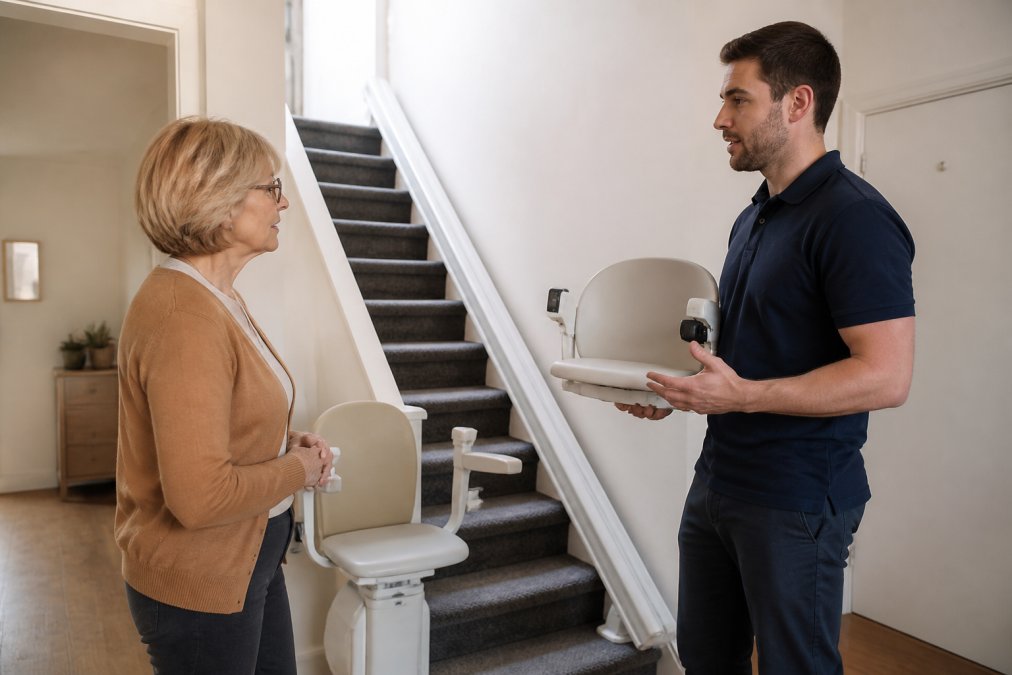
When considering how to buy a stairlift, the first decision is understanding which type suits your home's layout. Straight stairlifts follow a linear path without turns or landings, are simpler to install, require less customization, and cost significantly less. Curved stairlifts navigate staircases with landings, turns, or multiple angles, think L-shaped or switchback stairs. The track must be custom-built to match your exact staircase geometry, explaining the higher price and longer installation timeline.
Many people assume their stairs are "too complicated" when they're actually straight. A landing in the middle doesn't automatically require a curved system if the flights on either side are straight. The stairlift can stop at the landing, and the user can walk or transfer to continue, often costing less than a full curved installation.
Straight vs. Curved Stairlifts
A straight stairlift is a complete system for staircases without turns or intermediate landings. The track is pre-manufactured or minimally customized, installation takes one to two days, and costs are lower. Most homes built after 1950 have straight staircases, which is why straight stairlifts dominate the market (census.gov).
Curved stairlifts are engineered for complex layouts. Every curve, angle, and landing requires custom track fabrication. Installation typically takes three to five days because the track must be precisely fitted to your specific dimensions. The swivel seat rotates at landings to face the next flight, adding mechanical complexity and cost.
A straight stairlift on a curved staircase won't work. A curved stairlift on a straight staircase is overkill and wastes money. Getting this decision right prevents costly mistakes.
Key Features: Swivel Seats, Battery Backup, and Safety Sensors
When evaluating how to buy a stairlift, understanding standard features helps you compare options accurately. A swivel seat rotates 90 degrees at the top or bottom of the stairs, allowing safe exit onto a flat surface. Battery-powered operation ensures the stairlift functions during power outages, with a rechargeable battery that activates automatically if main power fails, critical for preventing someone from being stuck halfway up the stairs.
Safety sensors detect obstacles on the track and stop the stairlift automatically. Emergency stop buttons on the armrest controls allow instant halting. A seat belt keeps the user secure, and the footrest prevents legs from dangling or catching on stairs. Weight capacity typically ranges from 250 to 350 pounds (aarp.org). Exceeding it voids the warranty and creates a safety hazard.
Measuring Your Staircase and Assessing Compatibility
Before contacting a stairlift provider, measure your staircase accurately. This single step prevents wasted consultations and clarifies whether your home can accommodate a stairlift.
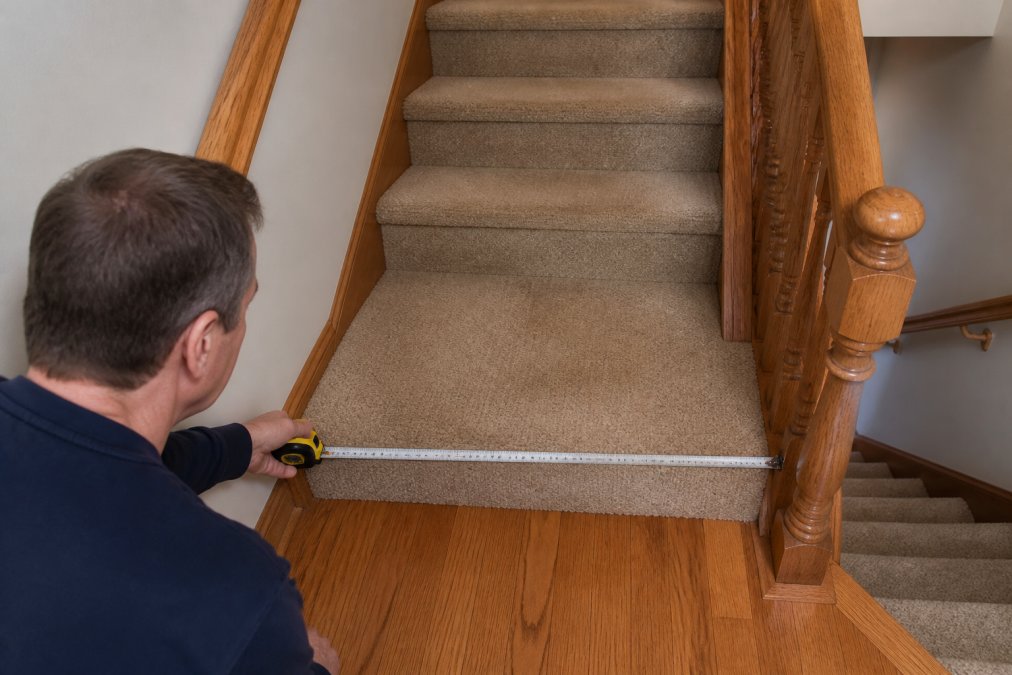
Measure the track length by following the distance from the bottom step to the top step along the staircase slope, not vertically. Use a flexible measuring tape and follow the contour of the stairs. A typical straight staircase track runs 12 to 15 feet, but variations are common.
Next, measure staircase width. Most standard residential staircases are 36 to 48 inches wide. The stairlift rail system occupies about 12 to 15 inches of width, leaving space for others to pass. If your staircase is narrower than 30 inches, installation may be impossible or require modifications.
Check the staircase configuration. Are the stairs uniform in height and depth, or do they vary? Inconsistent step dimensions complicate installation. Look for landings, turns, or changes in direction, these determine whether you need a straight or curved stairlift.
Examine the wall structure. The stairlift rail anchors to the wall or stair stringers (diagonal supports). If your staircase is open on one side with no wall, installation becomes more complex. Curved staircases need solid anchoring points at multiple locations.
Document any obstacles. Are there doorways at the top or bottom of the stairs? Electrical outlets, light switches, or architectural features that might interfere? These details matter because the stairlift must not block exits or create hazards.
Stairlift Installation Cost and What Affects Pricing
Understanding cost drivers helps you budget realistically. The staircase type is the primary cost driver. Straight stairlifts cost less because the track is simpler and installation is faster. Curved stairlifts require custom engineering and fabrication, substantially increasing the price. Weight capacity and power features also affect pricing, basic models with standard weight capacity cost less than heavy-duty models rated for 350 pounds or more. Battery backup, premium safety sensors, and advanced remote controls add to the cost.
New versus refurbished equipment matters. A brand-new stairlift comes with a full manufacturer warranty and latest features. Refurbished models cost less upfront but may have limited warranty coverage. For long-term use, new equipment often provides better value despite higher initial cost.
Installation labor varies by location and complexity. Simple straight stairlift installations take one to two days. Complex curved installations or homes with structural challenges may require three to five days. Additional modifications, reinforcement, wall repairs, or electrical work, add to the total cost.
For specific pricing tailored to your home, contact CT Stairlifts for a consultation and quote. They'll assess your staircase, discuss your needs, and provide transparent cost estimates based on your actual situation.
Stairlift Rental vs. Purchase: Which Makes Sense for You
The decision between renting and buying depends on your timeline, budget, and how long you'll need it. Renting makes sense if you're recovering from surgery or injury and expect to regain mobility within a few months. Monthly rental payments accumulate quickly, after 18 to 24 months, you've often paid more than the purchase price of a new stairlift.
Buying is the right choice if you need long-term accessibility. If you plan to use the stairlift for years due to permanent mobility limitations, age, or chronic conditions, purchasing builds equity and provides stable, predictable costs. You own the equipment, can customize it, and benefit from warranty coverage and service agreements.
Consider your living situation. If you're planning to move or downsize within a few years, renting avoids selling or removing a permanently installed stairlift. If you plan to age in place and stay long-term, buying makes financial sense.
Financing options are available for purchase. Many providers offer payment plans or third-party financing, spreading the cost over time. A comprehensive service agreement protects you from unexpected repair costs and ensures the stairlift remains safe and functional.
Stairlift Reviews and Ratings 2026: What to Look For
When researching stairlift options, reading reviews provides insight into real-world performance. Look for reviews that describe specific experiences, how the stairlift solved a problem, how installation went, and what ongoing maintenance looks like. Authentic reviews often acknowledge both positives and negatives.
Check for patterns across multiple reviews. If every review mentions smooth, quiet operation, that's a reliable indicator. If several reviews mention installation delays or poor customer service, that's a red flag. Look for reviews from users with similar circumstances to yours.
Check the review source. Manufacturer websites naturally feature positive reviews. Third-party review platforms, consumer forums, and independent rating sites provide more balanced perspectives. The Better Business Bureau maintains ratings and complaint histories for stairlift providers.
Ask for references from the provider. CT Stairlifts and reputable competitors should connect you with customers in your area who've had installations completed. Speaking directly with someone actually using the equipment answers questions no online review can address.
Safety Features, Weight Capacity, and Warranty Coverage
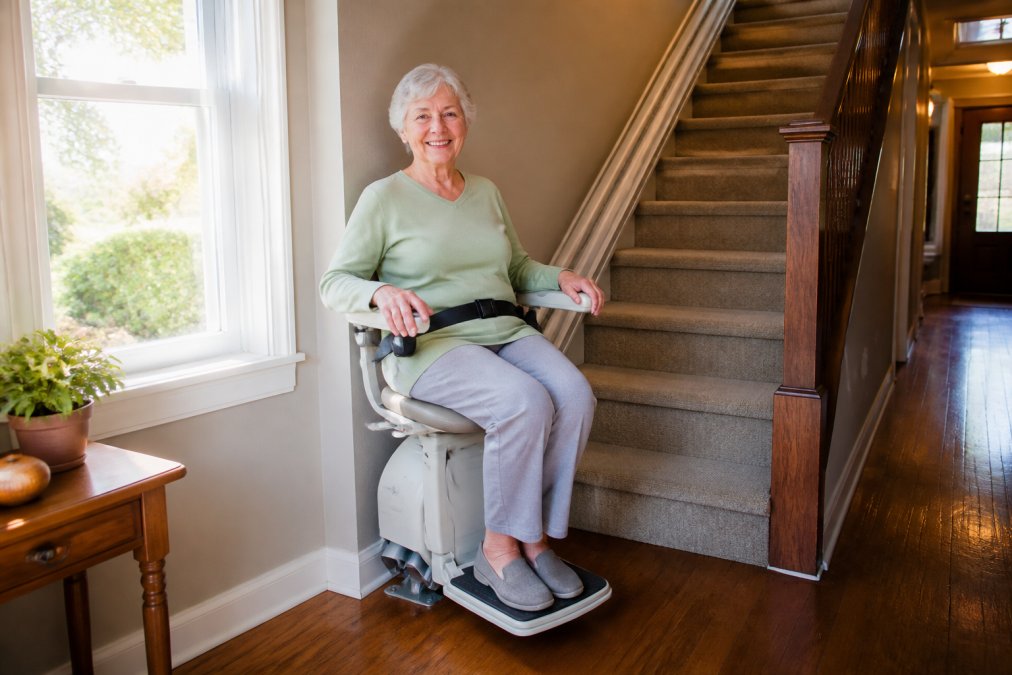
Safety is non-negotiable when learning how to buy a stairlift. The seat belt restrains the user during operation, preventing falls if the user shifts position or loses balance. The footrest prevents feet from dragging on stairs or catching on obstacles. Emergency stop buttons on the armrest controls allow immediate shutdown if needed.
Safety sensors detect obstacles on the track. If something blocks the path, a toy, pet, or person, the sensor triggers an automatic stop. The backup battery ensures operation during power outages, preventing someone from being stranded halfway up the stairs.
Weight capacity is a certified specification, not a guideline. Exceeding the weight limit voids the warranty and creates a safety hazard. Standard capacity ranges from 250 to 350 pounds. Know your weight and choose a model rated appropriately.
Warranty coverage varies significantly. A standard manufacturer warranty typically covers defects for one to three years. Extended warranties or service agreements cover maintenance, repairs, and parts replacement beyond the initial warranty period. For equipment used daily, an extended service agreement provides peace of mind and protects against unexpected repair costs.
The warranty should specify what's covered, mechanical failures, electrical components, the motor, the battery, and what's not covered, such as damage from misuse or modifications made outside the manufacturer's specifications. CT Stairlifts offers warranty coverage and service agreements designed to keep your stairlift operating safely and reliably.
Your Home Modification Compatibility Checklist
Installing a stairlift sometimes requires modifications beyond the stairlift itself. Understanding what your home might need prevents surprises during installation.
Does the wall or stair stringers provide solid anchoring points for the rail? If not, reinforcement may be necessary. Some older homes have plaster walls or weak structural supports that require additional bracing before installation.
The stairlift needs a power outlet near the top or bottom of the stairs. If none exists, electrical work is required. This adds cost and may require a licensed electrician.
At the top and bottom of the stairs, the user needs safe, clear space to enter and exit the seat. If the landing is cluttered or too small, you may need to rearrange furniture or remove obstacles.
If a door swings into the staircase area, it may need repositioning or modification. Identify these issues early.
The stairlift rail is visible and permanent. If appearance matters, discuss color and finish options with your provider. Assess the impact on other household members. If multiple people use the stairs, make sure the staircase is wide enough that others can pass safely on the opposite side.
Create a simple checklist:
- Staircase type identified (straight or curved)
- Track length measured
- Staircase width confirmed (minimum 30 inches)
- Electrical outlet access verified or planned
- Landing spaces assessed
- Doorway conflicts identified
- Structural anchoring points confirmed
- Other household members consulted
- Budget includes potential modifications
Making Your Decision: Long-Term Cost of Ownership
When deciding how to buy a stairlift, thinking beyond the purchase price reveals the true cost of ownership. Maintenance and repairs occur over time. Annual maintenance, cleaning, lubricating the track, inspecting mechanical components, costs relatively little but extends equipment life. Unexpected repairs, such as motor replacement or electrical issues, can be expensive if not covered by a service agreement.
Electricity consumption is minimal, typically adding a few dollars monthly to your electric bill. Battery replacement, if needed, usually occurs after several years of daily use and costs several hundred dollars.
A comprehensive service agreement covers maintenance and repairs, protecting against surprise expenses. Without coverage, a major repair could cost hundreds or thousands of dollars.
If you eventually sell your home, the stairlift affects resale value differently depending on the buyer. For buyers seeking accessibility, a stairlift is a valuable feature. For buyers without mobility needs, it's a permanent fixture they didn't choose.
Compare the long-term cost of ownership to the alternative: moving to a single-story home. Moving costs include real estate commissions, closing costs, transportation, and emotional toll. For many people, the cost and disruption of moving exceed the cost of installing a stairlift and aging in place.
Calculate your break-even point. If monthly rental costs equal one-tenth of the purchase price, you break even after ten months. If you'll need the stairlift longer than that, buying makes financial sense.
The intangible value of independence and safety shouldn't be overlooked. A stairlift enables you to remain in your home, access all floors, and maintain your current lifestyle.
Navigating staircase accessibility challenges requires honest assessment of your home, your mobility needs, and your budget. The process of learning how to buy a stairlift involves understanding the types available, measuring your space accurately, and comparing the financial and practical trade-offs between renting and purchasing.
CT Stairlifts specializes in helping homeowners regain access to every floor of their home through professional installation and personalized service. When you're ready to explore options for your specific situation, CT Stairlifts provides consultations that clarify what's possible in your home and what the realistic costs and timeline are. Reach out to discuss your staircase configuration, mobility needs, and long-term goals, and take the first step toward safer, more independent living.
Frequently Asked Questions
How much does a stairlift typically cost to install?
Installation costs depend on your staircase type, whether you need a straight or curved track, rail system complexity, and professional installation requirements. Pricing varies based on your home's specific configuration. Contact CT Stairlifts for a personalized quote that reflects your staircase measurements and mobility needs.
What is the difference between stairlift rental vs. purchase?
Rental works best for temporary recovery periods after surgery or injury, offering flexibility without long-term commitment. Purchase is ideal if you need permanent mobility solutions and plan to stay in your home long-term. Rental typically involves monthly payments with included maintenance, while purchase includes financing options and warranty coverage but requires upfront investment. Evaluate your timeline and recovery expectations to determine which fits your situation.
How do I know if a stairlift will fit my stairs?
Measure your staircase width, length, angles, and any curves or landings. Straight stairlifts work on standard staircases without bends. Curved stairlifts accommodate turns, angles, and complex configurations. Professional installation experts assess your staircase configuration during a consultation to confirm compatibility and custom track requirements. Most homes can accommodate a stairlift, but the specific type depends on your stairs' layout.
What safety features should I look for in a stairlift?
Essential safety features include seat belts, emergency stop buttons, safety sensors that detect obstacles, battery-powered backup for power outages, flip-up seats to prevent tripping, and armrest controls for stability. Check the weight capacity to ensure it supports your needs. Review warranty coverage and service agreement terms to guarantee maintenance and emergency support. These features work together to keep you secure during every ride.
Are stairlifts tax deductible as a medical expense?
Stairlifts may qualify as medical expenses under federal tax law if they are prescribed to treat a specific medical condition or disability. Consult a qualified tax professional or your accountant to determine if your situation qualifies for deduction. Documentation from your healthcare provider supporting medical necessity strengthens your case. Tax rules vary by individual circumstances, so professional guidance is essential.
What makes one stairlift brand more reliable than another?
Reliability depends on build quality, battery performance, motor durability, and long-term service support. Review stairlift reviews and ratings from 2026 and recent customer feedback to assess real-world performance. Check warranty coverage lengths and what service agreements include. Brands with strong local service networks and responsive customer support tend to deliver better long-term reliability. Ask for references from current users in your area to understand actual user experiences.
This article was written using GrandRanker