 blog
blog
101 Mobility vs Lifeway Mobility: What CT Homeowners Should Know
Table of Contents
- 101 Mobility vs Lifeway Mobility: Two National Names, One Local Reality
- Quick Comparison: 101 Mobility vs Lifeway Mobility at a Glance
- Why the Lifeway Mobility Alternative for Connecticut Homeowners Matters
- What Stairlift Installation Cost Really Includes
- Stairlift Maintenance and Repair: The Service Difference
- How to Evaluate a Local Stair Lift Provider
- Making the Right Choice for Your Connecticut Home
- Frequently Asked Questions
Last Updated: September 8, 2026
101 Mobility vs Lifeway Mobility: Two National Names, One Local Reality
When a Connecticut homeowner starts researching stair lifts, two national names dominate the search results: 101 Mobility vs Lifeway Mobility. Both are large, franchised operations with recognizable branding. But for homeowners across Connecticut, the real question isn't which national brand has the better commercial, it's which provider will actually show up when the stair lift breaks down six months after installation.
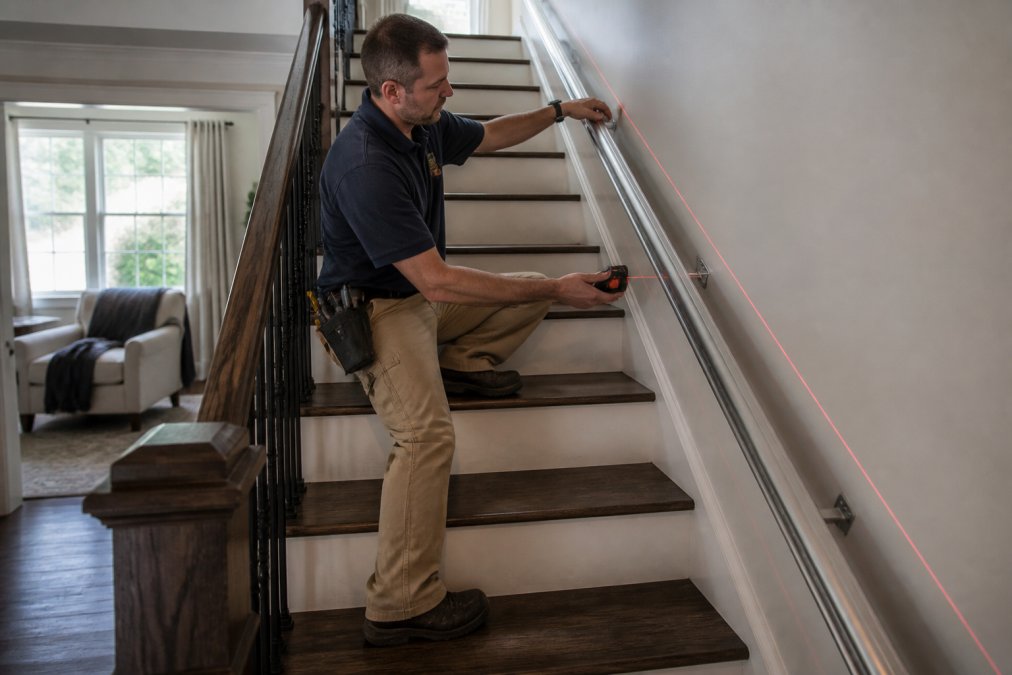
This guide breaks down the 101 Mobility vs Lifeway Mobility comparison, examines what stairlift installation cost really includes, and explains why a local provider often delivers a better experience than a distant franchise.
The choice between a national franchise and a local specialist affects everything from the initial home assessment to the speed of emergency repairs years later.
Quick Comparison: 101 Mobility vs Lifeway Mobility at a Glance
Most comparison sites describe both companies in general terms. The table below focuses on the after-purchase experience and equipment realities that matter most once the installation crew leaves.
| Consideration | 101 Mobility | Lifeway Mobility |
|---|---|---|
| Service Model | Franchise network with independently owned territories | Franchise network with regional operating centers |
| Equipment Brands | Primarily uses Bruno stair lifts, with some locations offering in-house or white-label options | Primarily uses Bruno and Harmar stair lifts, depending on regional supply agreements |
| Straight Rail Options | Standard straight rails for open or closed staircases; rail color options vary by franchise | Standard straight rails; some locations offer custom rail lengths for non-standard tread depths |
| Curved Rail Capability | Custom curved rails fabricated to match staircase geometry; requires a site survey before quoting | Custom curved rails also require a site survey; lead time for fabrication typically runs 2-4 weeks |
| Home Assessment Process | Free consultation; franchisee sends a local technician or sales representative to measure and quote | Free consultation; assessment is scheduled through a regional call center, with a technician dispatched from the nearest operating hub |
| Published Response Time | No national standard; response times vary by franchise territory and technician availability | No national standard; some regional centers advertise 24-48 hour response for service calls, but this is not guaranteed in all states |
| Maintenance Plan Structure | Optional service agreements sold per visit or as annual plans; pricing set by individual franchisee | Optional annual maintenance plans; coverage details and pricing vary by region |
| Warranty Terms | Typically 1-3 years on parts and labor, depending on the franchisee and equipment brand | Typically 1-3 years on parts and labor; extended warranties offered at additional cost |
| Service Area Density | Strong presence in the Southeast and mid-Atlantic, with spotty coverage in the Mountain West and rural Midwest | Strong presence in the Northeast and Midwest, with growing coverage in the mid-Atlantic |
What this table does not show is the equipment difference that matters most: whether the lift uses an AC or DC motor, the weight capacity rating, and whether the rail is bolted to the treads or the wall. Both companies primarily install Bruno and Harmar units, which are solid, UL-listed products. The real differentiator is not the chair itself but the quality of the rail mounting and the responsiveness of the local service technician.
Ask each franchisee for the specific equipment model they intend to install, the manufacturer's warranty on that model, and the franchisee's own service agreement terms. If a sales representative cannot name the exact model and its weight capacity, that is a red flag.
Why the Lifeway Mobility Alternative for Connecticut Homeowners Matters
The lifeway mobility alternative for Connecticut homeowners is a local provider who understands the specific challenges of New England homes. Connecticut's housing stock includes many older colonial and cape-style homes with narrow, oddly shaped staircases that don't conform to standard stair lift track measurements.
When you contact a local provider, you often speak directly with the team that will assess your home and perform the installation. There's no franchise intermediary, no regional dispatcher, and no uncertainty about who is responsible for your project.
The National Institute on Aging guidance on home safety modifications emphasizes that falls remain a leading cause of injury among older adults. Making your home safer with mobility equipment like stair lifts allows many seniors to age in place rather than relocating to a single-story residence or assisted living facility.
What Stairlift Installation Cost Really Includes
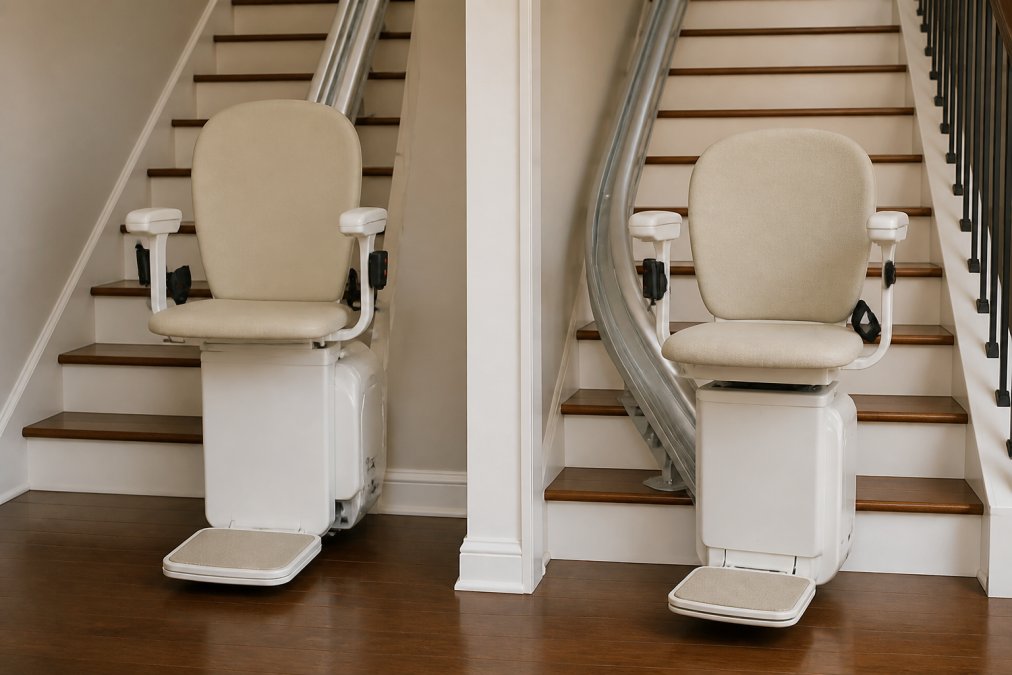
Stairlift installation cost varies widely based on several factors. The type of staircase, track length, and required custom configuration all influence the final price. A straight stair lift costs less than a curved stair lift, which requires a custom rail fabricated to match the specific angles and landings of your stairs.
A professional installation includes more than mounting a rail and attaching a chair. It begins with a thorough home assessment where an installer measures your staircase, evaluates the landing space, and checks the electrical supply. The installation itself involves securely anchoring the rail, wiring the unit, and testing all safety features.
CT Stairlifts does not publish a one-size-fits-all price list because every home is different. The company provides tailored quotes after a home consultation. For current pricing, visit the CT Stairlifts website and request a personalized assessment.
Stairlift Maintenance and Repair: The Service Difference
The real cost of a stair lift is the total cost of ownership over its 10-to-15-year expected lifespan. Most comparison articles stop at the initial quote, leaving homeowners blind to long-term service contract costs. This section details what maintenance costs, how service calls are dispatched, and why the franchise model creates a specific risk.
What Preventative Maintenance Actually Includes
A standard preventative maintenance visit typically includes: cleaning and lubricating the rail and carriage, checking drive belt tension, testing the battery backup, verifying safety sensors, inspecting electrical connections, and tightening mounting bolts. A thorough visit takes 30 to 45 minutes for a straight rail and up to an hour for a curved rail.
The Cost Transparency Gap
National franchises rarely publish their maintenance contract pricing. An annual preventative maintenance plan typically runs between $150 and $350 per year. Emergency repair calls outside a maintenance plan often carry a trip charge of $100 to $200 plus an hourly labor rate of $75 to $150, with parts billed separately. Some franchisees waive the trip charge if you purchase an annual plan; others do not.
How the Franchise Model Affects Response Times
Both 101 Mobility and Lifeway Mobility operate on a franchise or regional-center model. The technician who services your lift is employed by the local franchisee, not the national brand. If your local franchisee has only one or two technicians, a maintenance visit may be scheduled two to three weeks out during peak seasons. A franchisee covering a large territory may have technicians spread thin across multiple counties.
A common pattern is that the franchisee prioritizes new installations over service calls because installations generate revenue. This is a structural incentive that affects every franchise network. Homeowners who live more than 30 minutes from the nearest franchisee hub should expect longer wait times.
What Happens When the Warranty Expires
Most stair lift manufacturers, including Bruno and Harmar, offer a 1-to-3-year warranty on parts and labor. After that period, the homeowner is responsible for all repair costs. Common replacement parts include: a battery backup unit ($80-$150), a swivel seat mechanism ($150-$300), a remote control transmitter ($50-$100), and a carriage drive motor ($300-$600). These are manufacturer-level prices; the dealer will add labor and markup.
A local provider that has been servicing the same community for years has a direct incentive to keep your lift running because its reputation depends on word-of-mouth referrals.
The Loaner Unit Question
When a stair lift needs a repair requiring the unit to be removed from the rail, the homeowner is left without access to the second floor. Ask any provider whether they offer a loaner unit during a multi-day repair. Most national franchises do not offer loaners because their inventory is tied up in installations. A local provider can often complete most repairs in a single visit.
For Connecticut homeowners, the practical difference is often measured in hours. A local technician can often reach most homes within a shorter timeframe. A franchisee dispatching from a regional hub in another state may face a longer drive, pushing a same-day emergency repair to the next day. When a stair lift fails and a family member is stranded upstairs, that time difference is a safety issue.
How to Evaluate a Local Stair Lift Provider
Evaluating a stair lift provider requires looking beyond the glossy brochure and asking specific questions about the after-purchase experience. The Americans with Disabilities Act accessibility resources provides useful context on accessibility standards, though residential stair lifts fall under different requirements than public accommodations.
Start by asking about the company's service area and response times. A provider that services your entire state may still have technicians concentrated in one region. Ask how quickly they can guarantee an emergency repair visit and whether they offer a loaner unit.
Next, examine their maintenance agreement. What does preventative maintenance include, and how often will they visit? Is the warranty coverage transferable if you sell your home? These questions reveal whether the company is committed to your long-term safety or just the initial sale.
Finally, ask for local references. A reputable installer should be able to connect you with other Connecticut homeowners who have used their services. Speaking with someone who has lived with their stair lift for a year or more provides honest insight into reliability and service quality.
Making the Right Choice for Your Connecticut Home
The 101 Mobility vs Lifeway Mobility decision ultimately comes down to what you value most: a recognizable brand name or dependable local service. For Connecticut homeowners, the practical advantages of a local specialist often outweigh the marketing reach of a national franchise.
CT Stairlifts provides solutions designed to help individuals regain access to every floor of their home. By offering specialized stairlift installations, the company focuses on improving mobility and independence for homeowners. Their services are tailored to ensure that navigating your home remains safe and convenient.
When you choose a provider, consider the full lifecycle of your stair lift, not just the installation day. The Consumer Product Safety Commission guidance on home lifts highlights the importance of proper installation and regular inspection for all types of residential lifting equipment. A provider who is there for you years after the sale, with transparent maintenance costs and fast repair response, delivers more value than any national advertising campaign.
Choosing between national mobility companies and a local Connecticut specialist comes down to service reliability, maintenance transparency, and knowing who answers the phone when you need help. CT Stairlifts provides solutions designed to help individuals regain access to every floor of their home. By offering specialized stairlift installations, the company focuses on improving mobility and independence for homeowners. Their services are tailored to ensure that navigating your home remains safe and convenient. Contact CT Stairlifts today to schedule your home assessment.
Frequently Asked Questions
Is Lifeway Mobility a reputable stairlift provider?
Lifeway Mobility is a legitimate national accessibility company with locations across several states. Their reputation depends heavily on the local franchise or branch handling your installation. Before choosing any provider, check customer reviews for the specific Connecticut location that would serve you, ask how long they have operated locally, and request references from recent installations in your area.
What factors should I consider when choosing a local stairlift installer?
Prioritize who will actually service your stair lift after installation. Ask about response times for emergency repairs, whether they employ their own technicians or subcontract, and what their preventative maintenance schedule looks like. Confirm the service agreement covers labor and parts, and verify the company has been operating in your region long enough to honor multi-year warranties.
How do stairlift installation services differ between national providers?
National providers often use standardized processes that work well for typical straight staircases. The difference appears with custom curved rails, narrow stairs, or landings requiring careful measurement. Local installers familiar with Connecticut's older housing stock can often address these situations. Ask any provider how many curved or custom installations they complete each year.
What should I look for in a stairlift warranty and service agreement?
Read the warranty terms before signing. Look for coverage on both parts and labor, and check whether the warranty is backed by the manufacturer or only the installer. A service agreement should include scheduled preventative maintenance visits, not just emergency call-outs. Confirm that the quoted stairlift installation cost includes the rail, seat, and any necessary custom configuration.