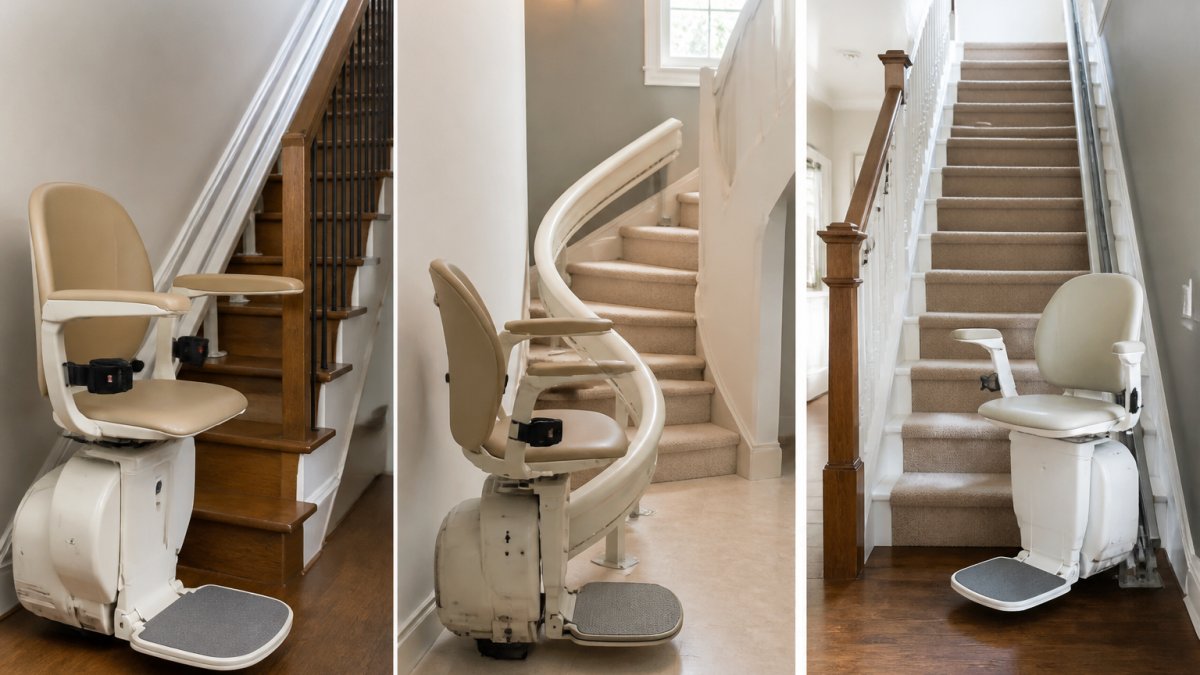
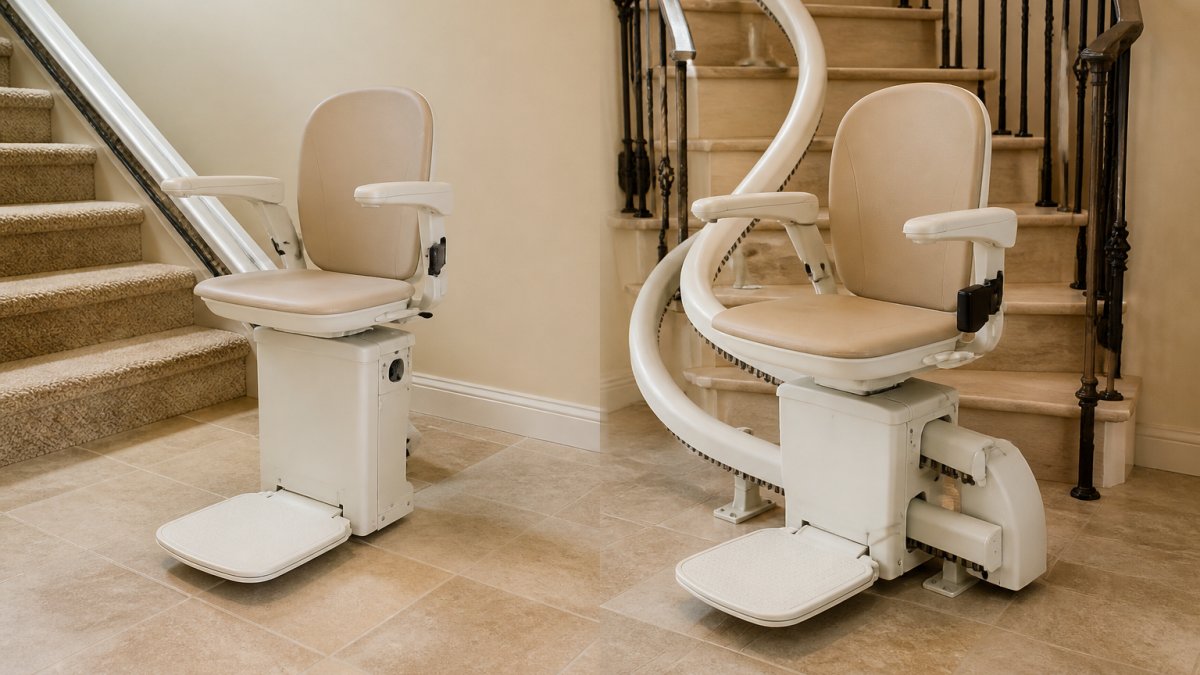
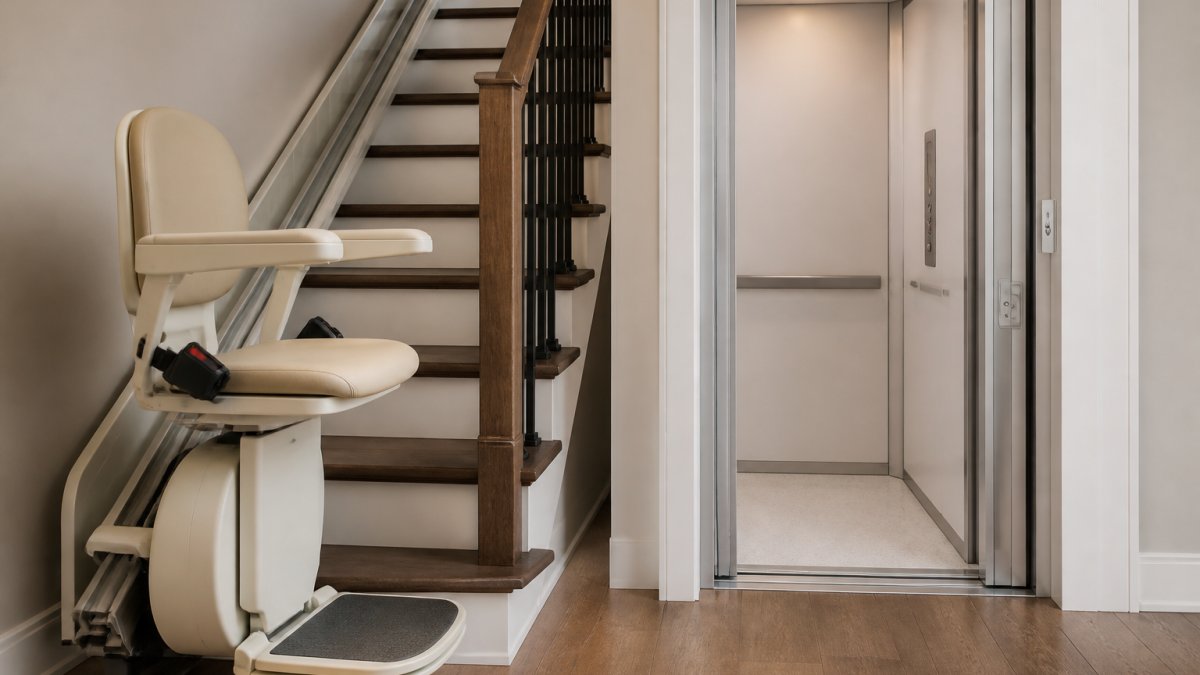
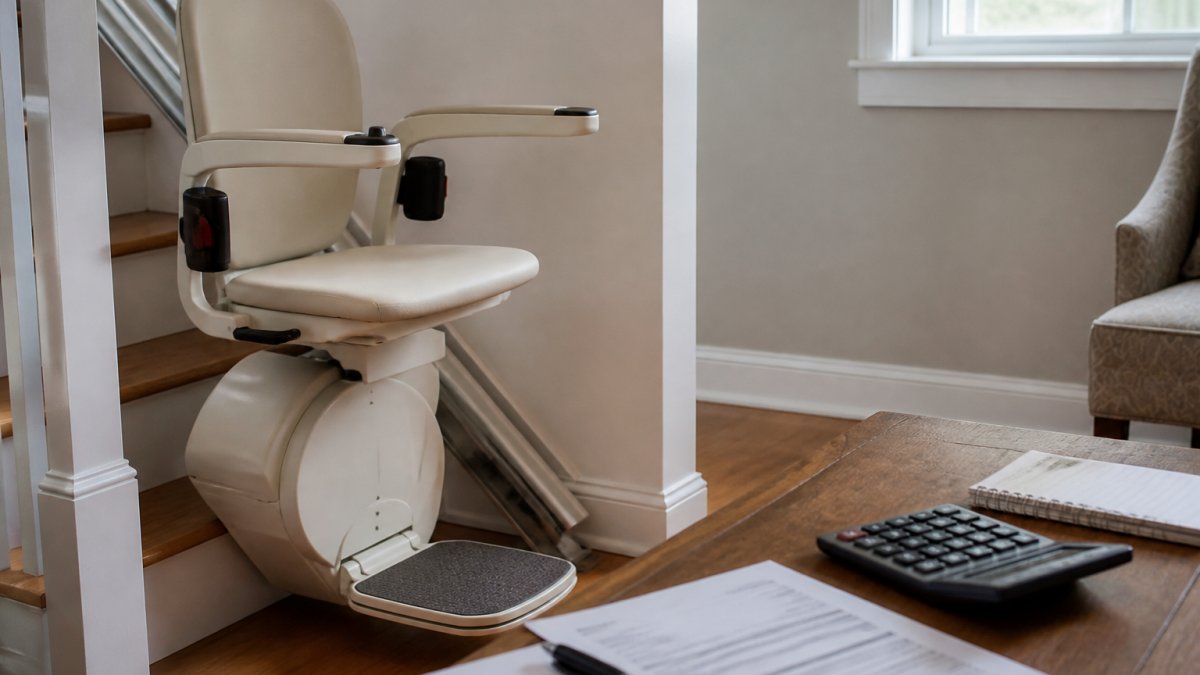
 comparison
7 Real Costs of Installing Stairlifts in Connecticut Homes
Last Updated: October 26, 2026
Quick Summary
Stairlift cost in Connecticut homes depends on staircase layout, rail type, chosen features, and installation complexity. A straight rail is the lowest entry point because it needs far less customization, so both the unit and the installation labor stay modest, and most straight installations finish in a single visit.
- Each turn on a staircase requires a custom rail section, and tight landings can limit which seat models fit safely.
- A straight-run quote should list the unit make and model, rail, installation labor, charging point, testing and warranty, and old equipment removal.
- The gap between the lowest and highest straight-run quotes is usually explained by rail length, seat model, and what the installer excluded.
- Original Medicare generally treats a stairlift as home modification rather than durable medical equipment, so it is usually not covered.
- Ask for the coverage determination in writing before you order, based on the plan's evidence-of-coverage or durable-medical-equipment schedule.
Table of Contents
- What Drives Stairlift Cost in Connecticut Homes
- Straight Stairlift Cost: What to Expect
- Curved Stairlift Cost and Why the Rail Changes Everything
- New vs. Used vs. Refurbished Units: Purchase Price Tradeoffs
- Installation Costs and What Professional Installation Includes
- How to Read Stairlift Installation Quotes
- Payment Assistance, Insurance, and Financing Options
- Rental, Relocation, and Resale: Costs Beyond the Purchase
- Frequently Asked Questions
What Drives Stairlift Cost in Connecticut Homes
The cost of installing stairlifts in Connecticut homes depends on four main variables: staircase layout, rail type, chosen features, and installation complexity. Below, we break down the factors that can affect stairlift costs.
Staircase Layout and Complexity
A straight run of stairs is the simplest and least expensive configuration to fit. Turns, landings, and narrow hallways change the picture. Each turn requires a custom rail section, and tight landings can limit which seat models fit safely. A common mistake is assuming a staircase "looks straight" when a slight curve at the top still requires a custom rail.
Features, Customization, and Safety Options
Standard units include a seat, footrest, swivel seat, and safety sensors. Upgrades such as a powered swivel, larger weight capacity, or a battery-powered model with a charging point add to the purchase price.
Straight Stairlift Cost: What to Expect
Straight stairlift cost is the lowest entry point in the category. A straight rail is manufactured in standard lengths and needs far less customization, so both the unit and the installation labor stay modest. Most straight installations finish in a single visit.
Realistic installed price bands
A useful way to read the band:
- Entry-level straight unit, standard rail, basic seat: bottom of the range. Fewest features, shortest rail, simplest wall or step mounting.
- Mid-range straight unit, longer rail, upgraded seat and powered swivel: middle of the range. This is where most single-story-to-second-floor installs land.
- Premium straight unit, high weight capacity, extended rail, battery backup and charging upgrades: top of the range. The rail and the seat, not the motor, usually push the number up.
What the installed price should include
A straight-run quote should name, line by line:
- The unit make and model, with weight capacity.
- The rail, standard length versus cut-to-length, and whether a rack-and-pinion or friction-drive rail is used.
- Installation labor, listed separately from the equipment.
- The charging point and its electrical connection.
- Testing, a walkthrough, and the warranty terms in writing.
- Removal and disposal of any old equipment, if applicable.
If a quote bundles all six into one number with no breakdown, ask for the split before you sign. Bundled pricing is not automatically bad, but it makes it impossible to compare two installers on the same job.
Straight versus curved versus multi-landing: the comparison that matters
We always confirm the exact figure in a written quote rather than a phone estimate, and we ask homeowners to compare the itemized lines, not the bottom line.
Curved Stairlift Cost and Why the Rail Changes Everything
For a deeper comparison of how rail shape affects pricing, see our guide on straight vs curved stairlifts.
New vs. Used vs. Refurbished Units: Purchase Price Tradeoffs
For a full pricing baseline including hidden fees, read our stairlift costs breakdown.
Installation Costs and What Professional Installation Includes
Professional installation covers the site survey, rail mounting, electrical connection to a charging point, testing, and a walkthrough. DIY installation is not recommended for curved rails or for anyone unsure about anchoring into stair stringers. Installation labor varies with staircase complexity and whether the rail is custom.
How to Read Stairlift Installation Quotes
For a step-by-step walkthrough of requesting a quote, see how to get a stairlift quote.
Itemized Quote Checklist
- Unit make and model named
- Rail type (straight or custom curved) stated
- Installation labor listed separately
- Warranty length and coverage in writing
- Battery backup and charging point included
- Removal of old equipment priced, if needed
- Payment terms and financing options shown
Payment Assistance, Insurance, and Financing Options
Medicare coverage for stairlifts is generally limited, and insurance coverage varies by plan, so confirm details directly with your provider. Many homeowners use monthly payment plans or explore state and local assistance programs.
Start with insurance, but read the plan document, not the brochure
Original Medicare generally treats a stairlift as home modification rather than durable medical equipment, so it is usually not covered. Medicare Advantage and private plans vary widely, and some will cover a portion when a physician documents medical necessity, for example, a mobility limitation that makes stairs unsafe. The document that decides this is the plan's evidence-of-coverage or durable-medical-equipment schedule, not the customer-service script. Ask for the coverage determination in writing before you order.
Assistance and payment resources worth investigating
- State and local tax provisions. Some states offer property-tax relief or income-tax deductions tied to medical or home-modification expenses. Confirm with a tax professional before counting on it.
Financing mechanisms to compare
When assistance does not cover the gap, the common financing routes are:
- Installer payment plans. Many installers offer in-house or partner financing with monthly payments. Compare the annual percentage rate, the term, and whether there is a prepayment penalty, the monthly number alone tells you very little.
- Home-equity loans and lines of credit. Often the lowest-rate option for homeowners with equity, but they put the home on the line and take time to close.
- Medical or home-improvement credit cards. Convenient, but promotional rates can jump sharply when the promotional period ends. Read the post-promotion rate.
- Personal loans. Faster than a home-equity line, usually at a higher rate. Compare the total cost of credit, not just the payment.
What to ask before you commit
Our funding guide covers costs and aid options in more detail, and we are glad to walk through which of these routes fits your situation before you sign anything.
Rental, Relocation, and Resale: Costs Beyond the Purchase
| Scenario | Upfront Cost | Ongoing Cost | Best For |
|---|---|---|---|
| New straight unit | Highest | Warranty-covered | Long-term use |
| Refurbished unit | Moderate | Limited warranty | Budget-conscious, straight stairs |
| Rental | Lowest | Monthly fee | Short recovery periods |
| Relocation | Service fee | Reinstall labor | Homeowners who move |
Frequently Asked Questions
Does Medicare pay for stairlifts for seniors?
Original Medicare generally does not cover stairlifts because they are considered home modification equipment rather than durable medical equipment. Medicare Advantage plans may offer some flexibility, but coverage varies by plan. Medicaid waivers in some states can help with home accessibility modifications, and Connecticut residents should check with the state's Medicaid program directly. Some long-term care insurance policies and veterans' benefits may also contribute. Ask your plan and a CT Stairlifts representative about documentation requirements before you buy.
What factors affect stairlift installation costs the most?
The biggest stairlift cost factors are rail type (straight vs. curved), staircase length and layout, the number of turns or landings, and whether the staircase needs custom fabrication. Features like a swivel seat, powered footrest, or extended weight capacity add to the price. Installation complexity, such as anchoring into masonry or working around tight clearances, also affects labor. Getting a written quote that itemizes these variables is the best way to compare offers fairly.
Does a curved staircase cost more to fit with a stairlift?
Yes. A curved stairlift cost is typically higher than a straight one because the rail must be custom-bent to match your staircase's exact geometry, including turns, landings, and any irregular spacing. Custom rails take longer to manufacture and install, which raises both materials and labor. Straight stairlifts use standardized rails that are quicker to fit. A home assessment is the only reliable way to confirm what your specific staircase will require.
What should I compare when getting stairlift installation quotes?
Compare more than the bottom-line number. Ask each provider for an itemized quote covering the unit, rail type, installation labor, warranty terms, maintenance plan, and removal or relocation fees. Confirm whether the quote includes a home assessment and whether the price is final or subject to change after measuring. Check licensing and insurance, and request references from other Connecticut homeowners. A low quote that excludes key items often costs more in the end.
Every staircase is different, and so is every budget. If you are weighing a straight or curved install, CT Stairlifts can survey your home, explain each cost factor, and provide a written, itemized quote so you can decide with confidence. Get started with CT Stairlifts and regain access to every floor of your home.