 how-to
Is a Battery Backup Necessary for Stairlifts?
Last Updated: October 22, 2026
Quick Summary
No, you do not need a separate battery backup for most stairlifts. Nearly every home stairlift sold today runs on a rechargeable battery that is already built into the unit, and that onboard battery keeps working when the power goes out. The backup is included, not extra.
- A home stairlift plugs into a standard wall outlet, but the outlet charges a battery and the battery runs the chair.
- A fully charged stairlift battery typically handles several trips up and down the stairs during an outage.
- Most stairlift batteries last a few years before they need replacing, though the range varies by model and use.
- Always park the chair on its charging point, because the charging contacts only connect at the end of the rail.
- Add an external system or generator only if your area sees long, frequent outages or you already have whole-home backup.
Table of Contents
- Is a Battery Backup Necessary for Stairlifts? The Straight Answer
- How Stairlifts Are Powered: Mains Power, DC Batteries, and Charging
- What Happens During a Stairlift Power Outage
- Stairlift Battery Life: What Affects It and How Long It Lasts
- Stairlift Battery Replacement: Warning Signs and Intervals
- Stairlift Charging Points: Parking Habits That Preserve Outage Readiness
- Onboard Batteries vs. External Backup vs. Generator Power
- What to Do Before, During, and After a Power Outage
- Frequently Asked Questions
Is a Battery Backup Necessary for Stairlifts? The Straight Answer
No, you do not need a separate battery backup for most stairlifts. Nearly every home stairlift sold today runs on a rechargeable battery that is already built into the unit.
So the short answer is simple: the backup is included, not extra.
Below, we cover how stairlifts are powered, what happens in an outage, how many trips you get, and the parking habits that keep your battery charged.
How Stairlifts Are Powered: Mains Power, DC Batteries, and Charging
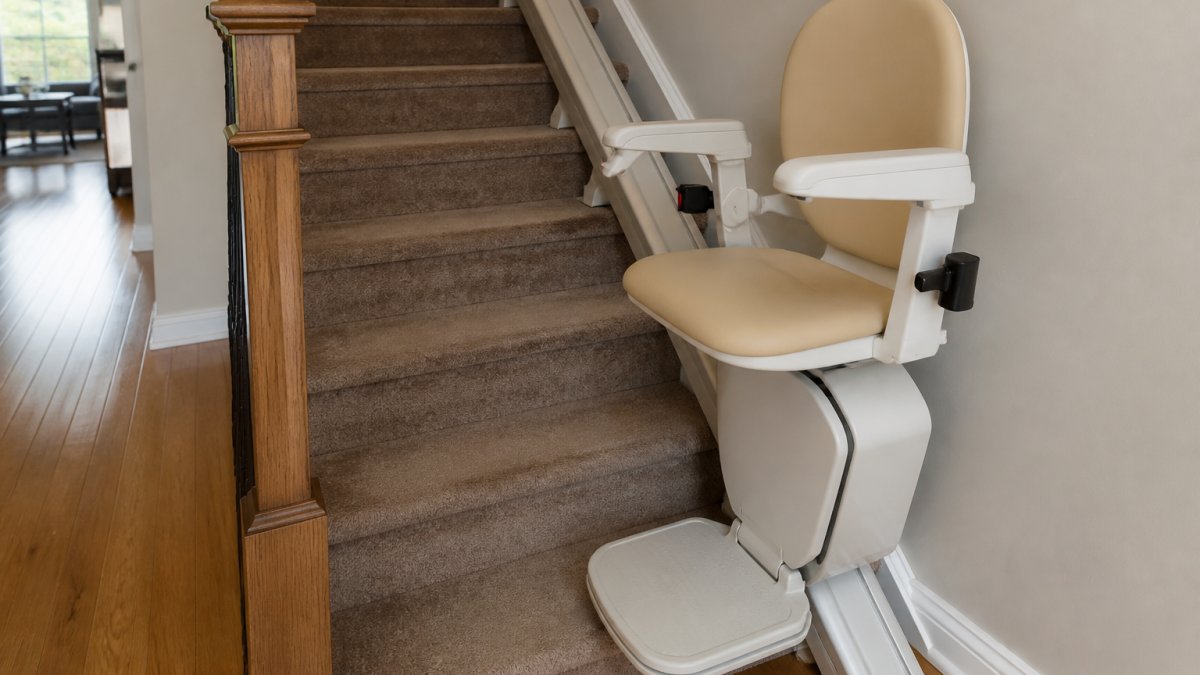
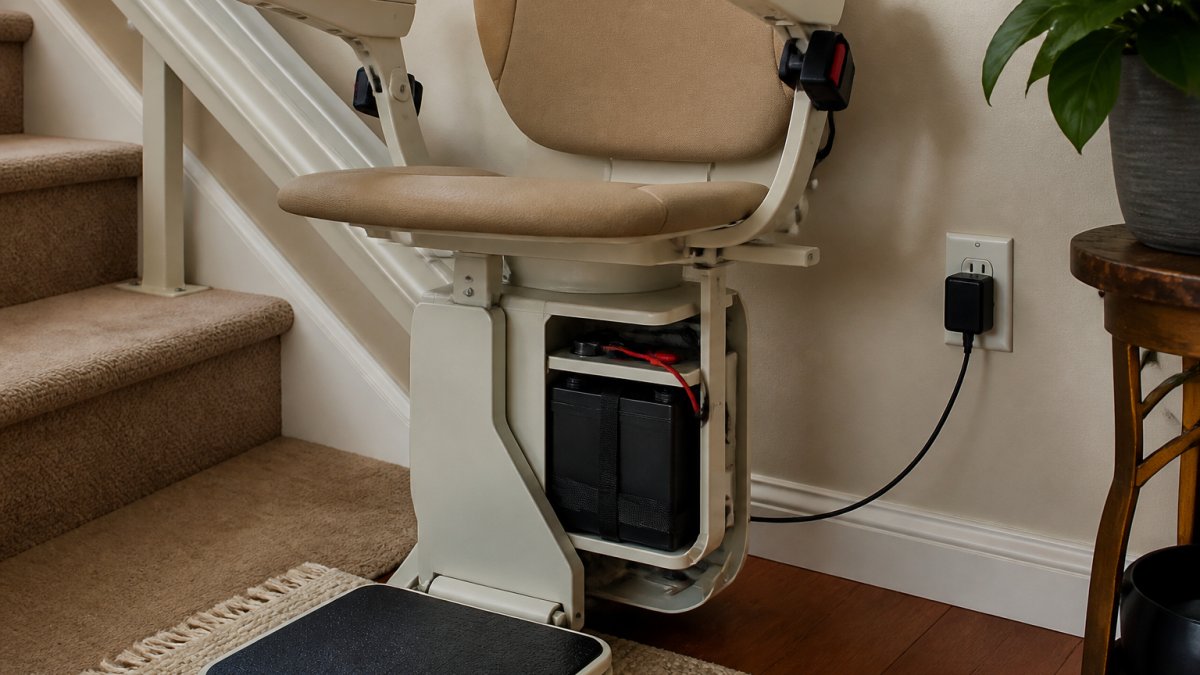
A home stairlift plugs into a standard wall outlet, but the outlet does not power the motor directly. The outlet charges a battery, and the battery runs the chair. This is the key fact most people miss.
Here is the basic setup:
- The charger plugs into a normal outlet near the top or bottom of the stairs.
- Charging contacts sit on the rail and connect when the chair is parked.
- The battery stores power and feeds the motor.
- The motor moves the chair up and down the rail.
Because the chair runs on stored battery power, it does not stop the moment the grid goes down. The U.S. Department of Energy guide to home backup power explains how stored battery power differs from grid power, which helps put this in context.
Battery-Powered vs. Mains-Powered Models
Some older or heavy-duty stairlifts were designed to run straight from mains power with no battery in the loop. These are now uncommon in homes. Almost all residential models you can buy today are battery-powered for a good reason: safety and outage readiness.
| Feature | Battery-Powered (most common) | Mains-Powered (older/rare) |
|---|---|---|
| Runs during outage | Yes, on stored power | No |
| Where power comes from | Rechargeable battery, charged by outlet | Direct from household current |
| Charging needed | Yes, when parked | Not applicable |
| Typical use today | Nearly all home installs | Specialty or legacy units |
If you are unsure which type you have, check the manual or ask your installer. The label on the unit usually states the power supply type.
What Happens During a Stairlift Power Outage
When the power goes out, a battery-powered stairlift keeps running. The lights in your home go dark, but the chair still moves because it draws from its own battery, not the grid. This is the single most reassuring fact for anyone worried about being stranded mid-flight.
A few things to know:
- The chair does not stop dead when the grid fails.
- You can still travel up and down stairs on stored power.
- The battery drains only while the chair is moving, not while it sits parked.
- Once power returns, the charger refills the battery automatically.
The Federal Emergency Management Agency's power outage guidance recommends planning for outages before they happen, and a stairlift owner should add "know your battery" to that plan.
How Many Trips Can a Stairlift Make on Battery Power?
A fully charged stairlift battery typically handles several trips up and down the stairs during an outage. The exact number depends on the model, the battery's age and condition, the length of the staircase, and the weight of the rider.
Plan for a handful of trips rather than dozens. That is usually plenty, because most people make one or two trips during a short outage. If you expect a long outage and heavy use, conserve trips and ride only when you must.
Stairlift Battery Life: What Affects It and How Long It Lasts
Most stairlift batteries last a few years before they need replacing, though the range varies widely by model and use. Several things shorten battery life:
- Age: all rechargeable batteries lose capacity over time.
- Heavy use: many trips per day wear a battery faster than light use.
- Poor charging habits: leaving the chair off its charging point.
- Temperature: very cold or hot spots near the rail can affect performance.
- Battery condition: a battery that has sat unused for long stretches may not hold a full charge.
The Occupational Safety and Health Administration's guidance on powered industrial equipment notes that battery condition affects how powered equipment performs, a principle that applies to home mobility gear too. A well-maintained battery simply gives you more reliable operation.
Stairlift Battery Replacement: Warning Signs and Intervals
Replace the battery when it stops holding a charge, not on a fixed calendar date. There is no universal replacement interval, because use and model vary so much. Watch for these warning signs:
- The chair feels slower than it used to.
- It struggles on the first trip after sitting parked.
- A warning indicator on the unit lights up.
- The chair stops partway and needs a pause before continuing.
- You get far fewer trips during an outage than before.
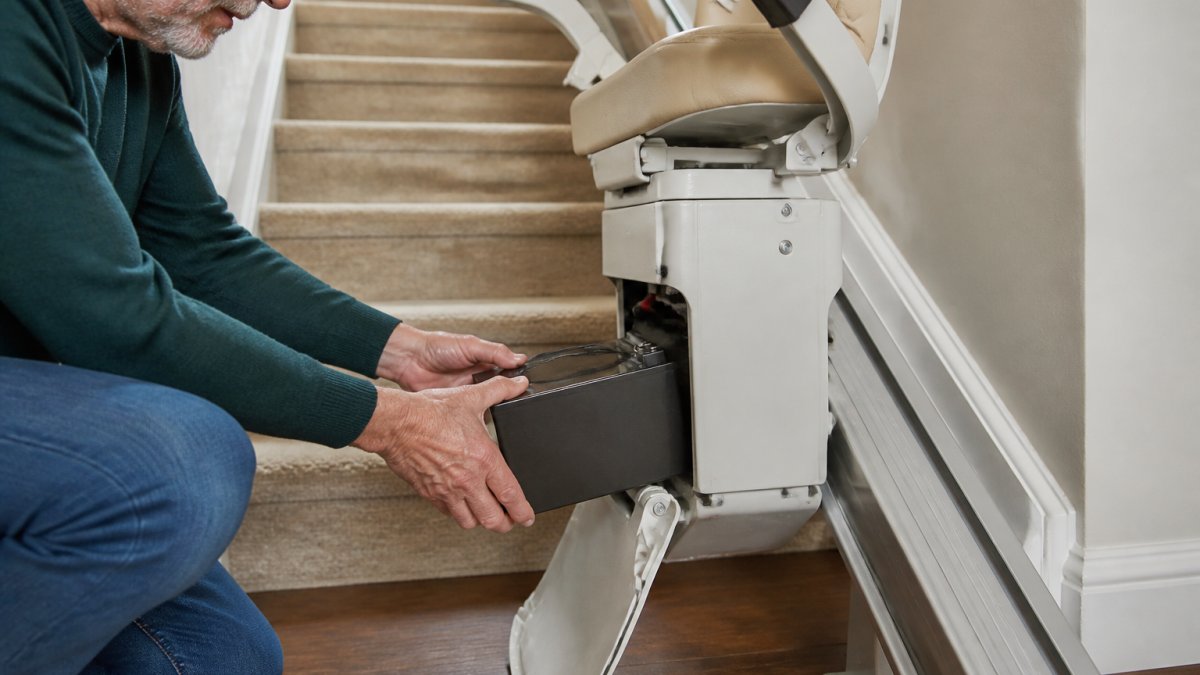
When you notice these, call for service. A technician can test the battery condition and replace it if needed. Do not wait for a total failure, because a dead battery means no outage readiness at all.
Troubleshooting a Stairlift That Will Not Move After an Outage
If the chair will not move once the power comes back, work through safe checks in order before calling for service. Stop at any step that requires opening a cover, testing wiring, or removing the battery; those tasks belong to a qualified technician.
- Confirm the outlet has power. Plug a lamp or phone charger into the same outlet to verify the circuit is live.
- Confirm the chair is parked on its charging contacts. The contacts only connect at the end of the rail. Move the chair fully into the charging position and listen or look for the charging indicator.
- Check the charging indicator. If the light does not come on when parked, the contacts may be dirty or misaligned. Wipe the contact surfaces with a dry cloth and reseat the chair.
- Check the manual for a reset procedure. Some models have a user-accessible reset or circuit breaker described in the owner's manual. Follow only the steps the manual lists for the owner.
- Give the battery time. A deeply drained battery may need time on the charger before the chair responds normally.
If the chair still will not run after these checks, stop troubleshooting and call a qualified service technician. Do not force the chair, bypass the charger, or attempt to test or replace the battery yourself.
Stairlift Charging Points: Parking Habits That Preserve Outage Readiness
The single best habit for outage readiness is simple: always park the chair on its charging point. The charging contacts only connect when the chair sits at the end of the rail.
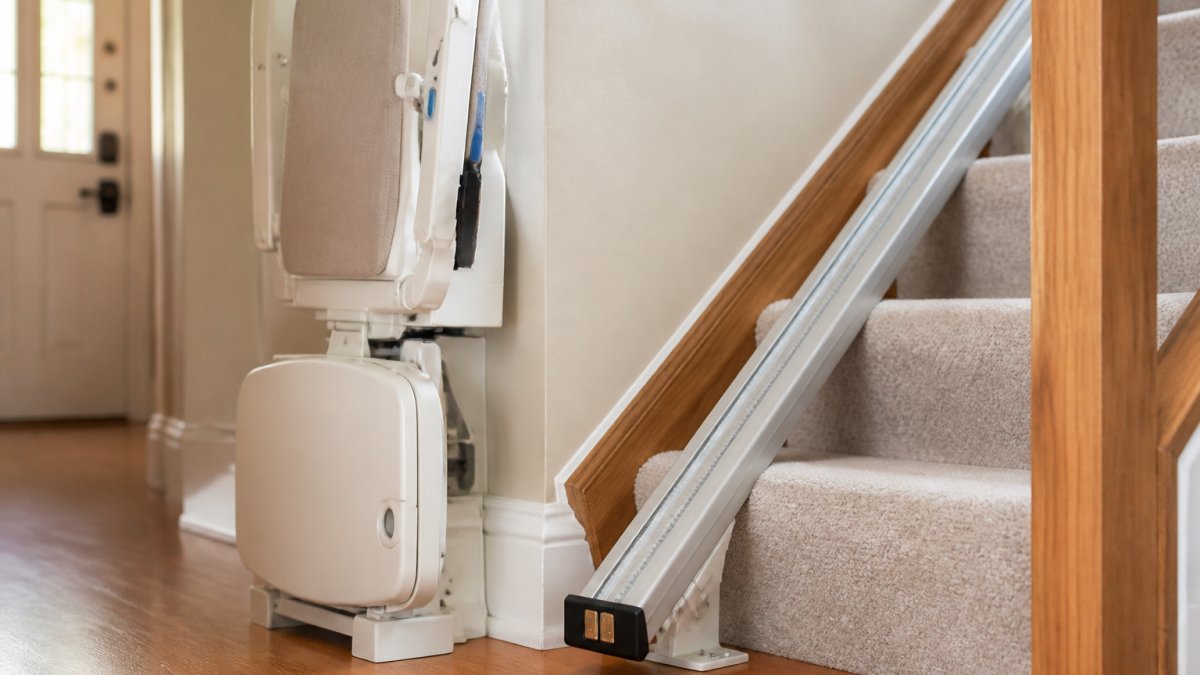
Good parking habits:
- Return the chair to the top or bottom charging position after every ride.
- Keep the seat folded up so the chair sits flush on the contacts.
- Do not unplug the charger to use the outlet for something else.
- Check that the charging light comes on when parked.
A quick weekly check of the charging indicator takes seconds and confirms the battery is topping up. If the light stays off, the contacts may be dirty or misaligned, and that is worth a service call.
Onboard Batteries vs. External Backup vs. Generator Power
For most homes, the onboard battery is the backup, and nothing else is needed. But it helps to know the three options and when each makes sense.
- Onboard battery: built into the chair, charged by the outlet, runs the chair in an outage. This is standard and sufficient for typical use.
- External backup system: a separate battery unit that adds extra stored power. Rarely necessary, but worth discussing if outages in your area are long and frequent.
- Generator power: a home generator that keeps the outlet live during an outage. Overkill for a stairlift alone, but useful if you already run a generator for the whole house.
What to Do Before, During, and After a Power Outage
A little planning keeps your stairlift ready when the lights go out. Here is a simple checklist.
Before an outage:
- Confirm the chair is parked on its charging point every night.
- Check the charging indicator weekly.
- Note the battery's age and book service if it is slow or stalling.
- Keep a phone and a flashlight near the stairs.
During an outage:
- Use the chair only for essential trips to save battery.
- Move slowly and keep the seat belt fastened.
- Do not force the chair if it pauses; give the battery a moment.
After an outage:
- Park the chair on its charging point right away.
- Confirm the charging light comes back on.
- Watch for slowdowns that suggest the battery drained low.
If the chair will not move after an outage, first check that it is fully on the charging contacts and that the outlet has power again.
A power outage should never leave you stuck on the stairs. The right stairlift, installed and maintained properly, keeps you moving on its own battery when the grid fails.
Frequently Asked Questions
Is a battery backup necessary for a stairlift?
For most home stairlifts, a separate battery backup is not necessary because the stairlift already runs on rechargeable batteries that stay charged from household current. When grid power is lost, the unit continues to operate on its onboard battery, so you can still travel up and down stairs. A separate backup system or generator is only worth considering in homes with frequent, long outages or where a second power source is required by a household member's care plan. Check your specific model's manual to confirm how its battery backup works.
Will a stairlift work during a power outage?
Yes, most stairlifts will work during a power outage because they draw power from onboard batteries rather than directly from the wall. The charger keeps those batteries topped up while the lift is parked at its charging point. During an outage, the lift runs on stored battery capacity, which typically allows several trips up and down the stairs. The exact number depends on the model, battery condition, and the weight of the user. Confirm the rated capacity in your owner's manual.
How long do stairlift batteries last, and when should they be replaced?
Stairlift batteries commonly last two to five years, depending on frequency of use, charging habits, and battery type. Heavy daily use shortens the interval; light use can extend it. Signs that replacement is due include slower travel, the lift stopping mid-ride, a warning indicator on the control panel, or the lift failing to complete a trip during an outage. Have a technician test battery condition during routine service, and replace both batteries at the same time to keep performance even.
Does a stairlift charge when it is not in use?
Yes. A stairlift charges whenever it is parked at its charging point, which is usually at the top or bottom of the stairs. The charging contacts on the rail and the seat connect when the lift is docked, so the battery stays topped up between rides. If the lift is left away from the charging point for long periods, the battery drains and outage readiness drops. Park it at the charging position every time, and keep the contacts clean and free of dust or pet hair.