 Listicle
Best Stair Tread Materials for Seniors: A Safety Guide
Quick Summary
The best stair tread materials for seniors are textured rubber, which grips well on dry and damp steps, and carpet or fabric, which is softer and easier on joints. Choose based on slip resistance, edge stability, and how easily the tread can be cleaned and maintained.
- Textured rubber treads grip well on both dry and damp steps and hold up under heavy foot traffic.
- Carpet and fabric treads are more comfortable on the feet but can trap dirt and become slippery when wet.
- Press the leading edge of a tread; if it lifts more than a fraction of an inch, it will likely curl under use.
- Test slip resistance with both a dry shoe and a damp shoe before buying any tread.
- Clean and dry each step before installing adhesive treads to prevent peeling and new trip hazards.
Table of Contents
- Why Stair Tread Material Matters for Older Adults
- How to Judge Slip Resistance and Traction
- Rubber Stair Treads: Grip, Durability and Trade-Offs
- Carpet and Fabric Treads: Comfort Versus Cleaning
- Wood, Aluminum and Other Materials for Older Homes
- Choosing Stair Treads for Winter and Outdoor Steps
- Scheduling a Stair Safety Assessment for Your Home
- Frequently Asked Questions
Why Stair Tread Material Matters for Older Adults
Stair tread materials are one of the simplest and most cost-effective ways to reduce slip risk on indoor and outdoor steps. For many older adults, the material underfoot decides whether a staircase feels manageable or dangerous. Worn or slick steps are a common contributor to falls, which is why it helps to think about a home's stairs as part of a wider plan for aging in place. (Source: Centers for Disease Control and Prevention)
The material you choose affects grip, comfort, durability, and how easily the tread can be cleaned and maintained. A tread that feels soft underfoot can still be slippery when wet, while a firm, textured surface may feel harder on tired legs. Balancing these qualities is the core task.
For older adults with reduced balance, joint pain, or slower reactions, the margin for error on stairs is small. A tread that shifts, curls at the edge, or loses its texture over time can turn a routine trip into a serious fall. Good tread material is not only about appearance. It is about keeping each step predictable.
Consider these practical questions before you buy:
- Will the surface stay grippy when wet or dusty?
- Does the edge resist lifting or curling?
- Can you clean it easily without damaging the texture?
- Will it hold up under daily foot traffic for years?
Watch out: adhesive treads applied to a dusty or painted surface can peel within weeks, creating a new trip hazard. Clean and dry each step before installation.
How to Judge Slip Resistance and Traction
Slip resistance is not a single yes-or-no property. It describes how a surface holds a foot under specific conditions, dry, damp, dusty, or oily, and it changes as the surface wears.
Three factors generally determine real-world traction: surface texture, edge geometry, and how the material behaves when contaminated. Texture matters most. A surface with raised ridges, grooves, or embedded grit creates small channels that let water and dust move away from the foot. A smooth or polished finish, even one marketed as anti-slip, can become slick once it collects a film of dust, cooking oil, or pet hair.
Edge geometry is the second factor. A tread with a rounded nose and a tight fit at the riser gives a clearer foothold than one with a sharp, lifting corner. Loose or curling edges are a common reason treads become hazardous within months, because the edge catches a toe or heel and creates a pivot point.
The third factor is contamination behavior. Ask the manufacturer, or test a sample, with a damp shoe and a dry shoe. A surface that grips well dry but turns slick with a light mist of water is a poor choice for a bathroom-adjacent stair or an entryway.
Here is a practical checklist you can use before purchase:
- Read the manufacturer's slip-resistance claims and look for a cited test method, such as a coefficient of friction (COF) value or a reference to ASTM standards for footwear traction.
- Confirm whether the surface is rated for wet use or only dry indoor use. Many products are tested dry only.
- Inspect the edge profile and confirm it sits flat against the step. A tread that rocks or lifts at the corner will fail early.
- Plan a check after the first week and again after the first month for any movement, curling, or wear. Most failures show up early.
Check whether a product labeled "non-slip" is rated for dry use only, since a single spill or a wet shoe can change its grip. Match the rating to the wettest condition your stairs will realistically face.
For older adults with reduced balance or slower reactions, traction is only part of the picture. A tread that is grippy but thick enough to change the step height can create a trip hazard, so measure the added thickness and consider how it interacts with canes, walkers, and foot clearance.
Rubber Stair Treads: Grip, Durability and Trade-Offs
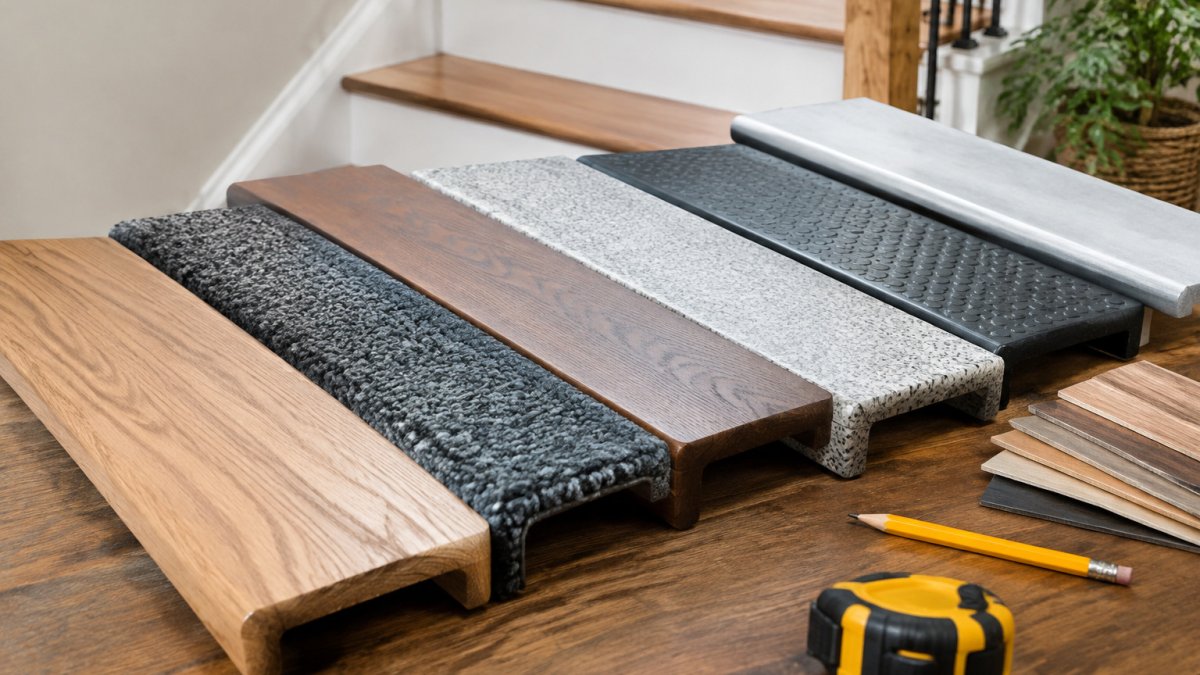
Rubber is one of the most common stair tread materials, and many people choose it for its grip. Its textured surface can perform well on both dry and damp steps, and it tends to hold up under heavy foot traffic.
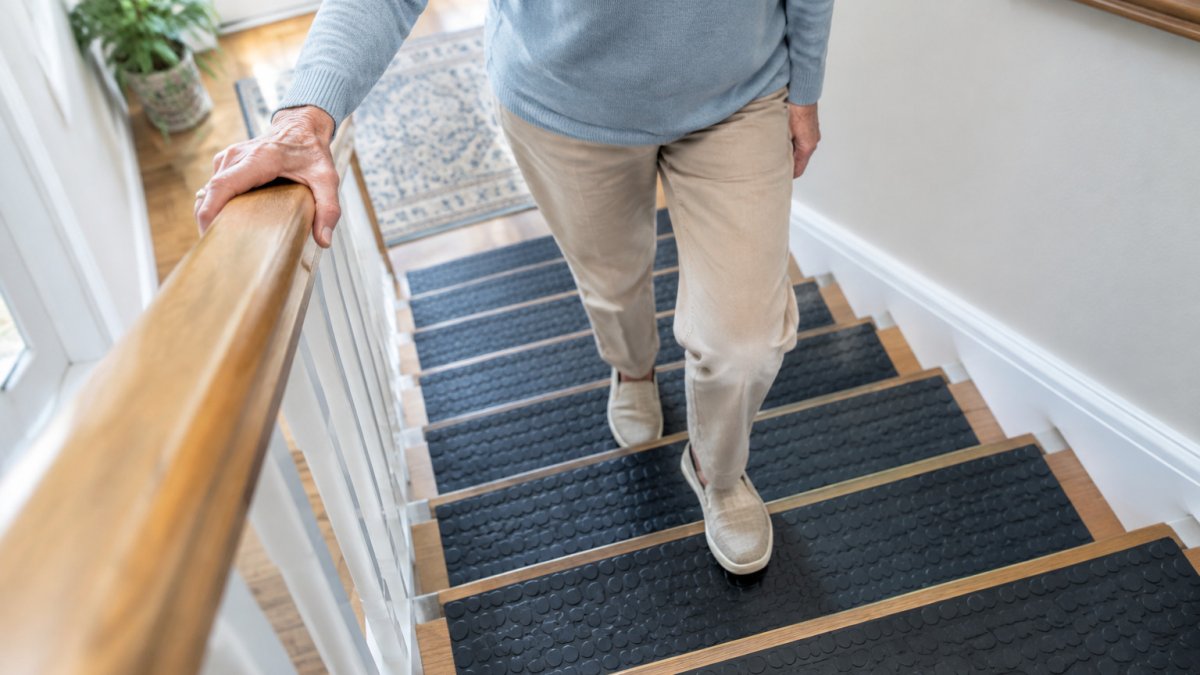
The trade-offs are worth weighing. Some rubber treads can feel firm or less comfortable on long standing, and certain formulations may show scuffing or fading over time. Cleaning is usually straightforward, but oily or dirty residue can reduce grip if it is not removed.
Installation matters as much as the material. Adhesive backing works well on clean, smooth, dry surfaces, but it may not suit older or uneven wood. Mechanical fastening can provide a firmer hold but may require tools and care around the riser.
Watch out: a rubber tread that is too thin for the step can flex underfoot and feel unstable, even if it looks secure.
The article compares the main trade-offs of rubber stair treads for seniors. (Source: Occupational Safety and Health Administration)
| Factor | What to check | Note |
|---|---|---|
| Grip | Textured surface | Performs on dry and damp steps |
| Durability | Heavy foot traffic | Tends to hold up well |
| Comfort | Firmness underfoot | Can feel firm on long standing |
| Cleaning | Oily or dirty residue | Remove it to keep grip |
| Thickness | Tread depth | Too thin can flex and feel unstable |
Carpet and Fabric Treads: Comfort Versus Cleaning
Carpet and fabric treads are popular for their softness and quieter feel. Many people find them more comfortable on the feet and easier on the knees, which can matter for older adults with arthritis. They also add visual warmth to a staircase.
The downside is maintenance. Carpet can trap dirt, dust, and moisture, and it can become slippery when wet or when fibers wear flat. Frequent vacuuming and prompt cleanup of spills are necessary to keep the surface safe. Loose or worn carpet edges are a particular concern, so check them regularly.
Carpet treads may suit indoor stairs in dry climates or homes with little moisture exposure. For households in damp areas or with heavy outdoor traffic, a textured rubber or a harder, grippier surface may be a better choice.
Wood, Aluminum and Other Materials for Older Homes
Older homes often have wood stairs, and the surface may be smooth, worn, or finished with a glossy coating that becomes slick with age. Hardwood treads can be durable and attractive, but a polished finish is a poor match for reduced balance.
Aluminum nosing and edge strips are common on the leading edge of a step. They can provide a defined, visible edge that may help with depth perception for some people. Some aluminum products include a grit or textured insert for added traction. The trade-off is that metal can feel cold and hard underfoot, and a poorly seated strip can rock or lift.
Composite and laminate options offer a balance of appearance and grip, but their performance varies widely. Some composites have a wood-grain texture that grips well dry but turns slick when wet; others embed grit for wet traction. Read the product details and confirm how the surface performs when damp, not just dry.
For older adults, the material comparison should weigh four senior-specific factors that general roundups often skip:
- Thickness and step height. A thick tread raises the step by a quarter inch or more, which can matter for someone with reduced foot clearance or a walker. Measure the added height and test it with the mobility aid the person actually uses.
- Edge profile and cane/walker interaction. A rounded nose is gentler on a cane tip than a sharp metal edge. A tread that curls at the corner can catch a walker wheel.
- Surface texture versus cleaning. A deep grit that grips well can trap dust and be hard to clean; a smooth surface cleans easily but loses grip. Match the texture to the cleaning routine the household can sustain.
- Installation risk. Adhesive treads applied over warped, painted, or dusty wood can peel within weeks. Mechanical fastening holds better but may require tools and care around the riser. Fix any underlying step problems before installing a new tread.
Watch out: installing a tread over a warped or rotting step hides the problem and creates a new hazard. Inspect the step for movement, soft spots, or loose boards before adding any material.
A simple decision framework helps separate removable, damage-conscious options from permanent installations. For renters or anyone who may move, adhesive-backed rubber or carpet treads are the least invasive choice, provided the surface is clean and sound. For homeowners planning to stay, mechanical fastening or a permanent overlay is more durable and less likely to curl.
Choosing Stair Treads for Winter and Outdoor Steps
Outdoor steps face rain, snow, ice, and debris, so the requirements change. A tread that works well indoors may fail quickly outside. Look for weather-resistant materials and textured surfaces designed for wet use. Metal-edged or heavy-duty rubber options are often considered for exterior applications.
In winter, moisture, salt, and freezing temperatures can loosen adhesives and damage some materials. Check manufacturer guidance on temperature range and outdoor suitability before buying. Good drainage, clear snow removal, and regular inspection of the tread edges all help maintain safety.
Keep in mind that treads alone may not solve every outdoor hazard. Lighting, handrails, and clear pathways matter just as much.
Scheduling a Stair Safety Assessment for Your Home
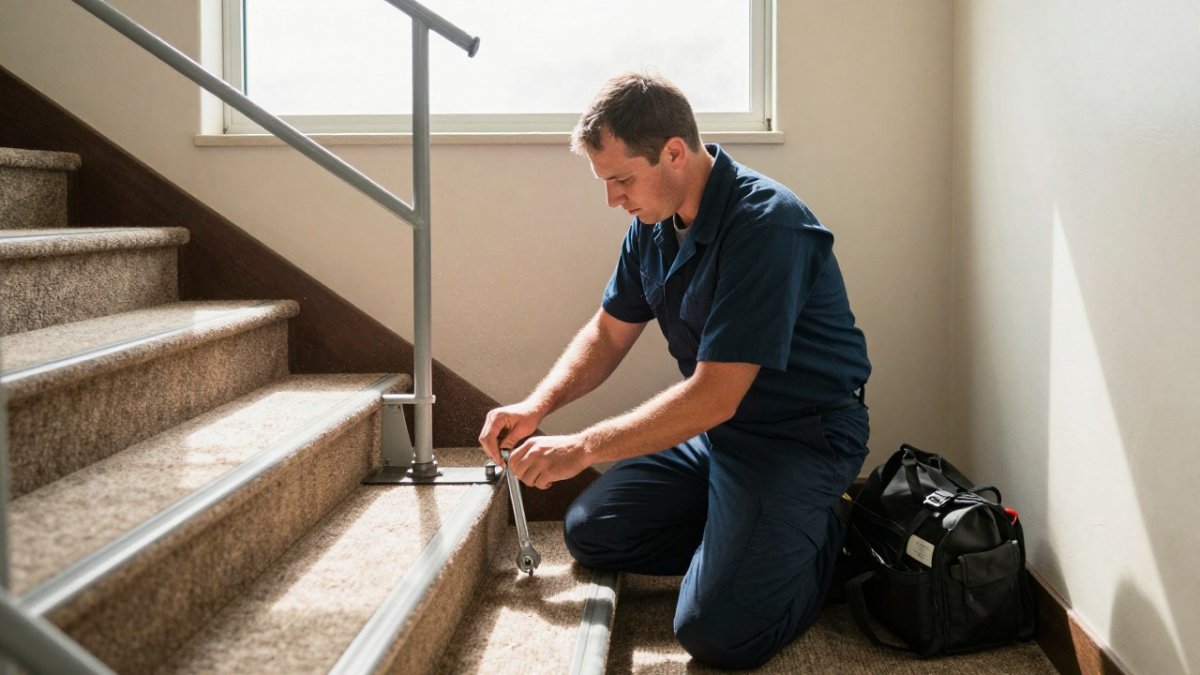
Choosing the right tread material is an important step, but it is only one part of stair safety. A professional assessment can look at a staircase, handrails, lighting, and how a person moves through the home, then suggest practical changes.
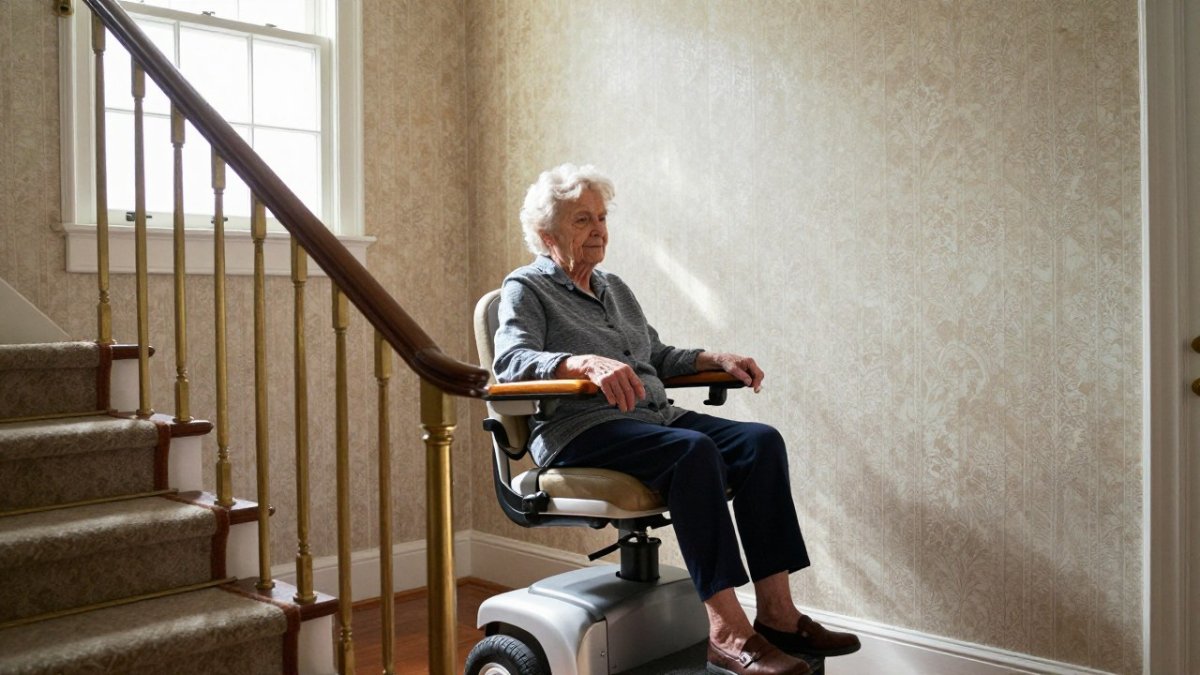
A qualified professional can help you understand whether tread upgrades are enough or whether a stairlift may be a better long-term solution. For current pricing or to request a consultation, contact CT Stairlifts directly through our website.
Before you make a purchase, it helps to avoid common errors. Our guide on stairlift buying mistakes to avoid before you sign explains what to look for. Ongoing review also matters, and our overview of 7 benefits of annual stairlift safety inspections covers why regular checks can help keep stairs safe over time.
Frequently Asked Questions
What are the best stair treads for seniors?
The best choice depends on the home. Textured rubber treads generally offer the most reliable grip for older adults, while low-pile carpet treads with a firm backing can work well indoors where comfort matters. Wood and aluminum need added traction, such as abrasive strips or non-skid inserts. Check each product's slip-resistance details and installation requirements, and ask a qualified professional to review your stairs before you buy.
Are rubber or carpet stair treads safer for seniors?
Rubber treads usually provide better traction on bare steps and hold up well to moisture, which makes them a common choice for entryways and outdoor steps. Carpet treads add cushioning and quieter footing indoors, but loose fibers, worn edges or poor backing can create trip hazards. Whichever material you choose, the edges should be fully secured and the surface kept clean and in good repair.
What are the best outdoor stair treads for winter?
For outdoor steps, look for treads with a textured, non-porous surface that resists ice buildup and is rated for wet conditions. Rubber and aluminum with embedded grit are often used in cold, damp climates. Make sure the product is designed for exterior use, since indoor carpet or unsealed wood can become slick or deteriorate when exposed to snow, salt and freeze-thaw cycles.
How can you make stairs safer for older adults?
Start with good lighting at the top and bottom of the stairs, a sturdy handrail on both sides where possible, and treads with reliable traction. Remove clutter and loose rugs, and secure any loose edges. A professional home assessment can identify uneven steps, narrow landings or other fall risks. If mobility is declining, a stairlift may be worth discussing with a qualified installer.