 Listicle
Stairlift Benefits: Regaining Safe Access to Every Floor
Quick Summary
The main stairlift benefits are restored access to every floor of the home, reduced fall risk because the user stays seated, and the ability to keep living independently in a familiar house. A stairlift is a motorized chair that rides a rail along the staircase, so a person can reach the upstairs bedroom and bathroom without climbing.
- A stairlift lets the user stay seated with a backrest, armrests and a footrest on every trip.
- Straight stairlifts are typically quicker and less costly to install than curved models, which need a custom rail.
- Ask for line-by-line quotes covering the rail, delivery, service and batteries, since low headline prices can exclude them.
- Ask your installer how the lift behaves during a power outage and what the emergency procedure is.
- Book a home assessment through CT Stairlifts to check whether a stairlift fits your staircase.
Table of Contents
- Why Stairs Become a Problem and What a Stairlift Solves
- Safety Benefits: Reducing Fall Risk on the Staircase
- Independence and Aging in Place at Home
- Stairlift Pros and Cons for Your Home
- Stairlift Cost and Installation: What to Expect Beyond the Price Tag
- Stairlift Power Outage Safety and Maintenance Planning
- Stairlift Alternatives for Seniors and Choosing the Right Option
- Booking a Home Assessment to See If a Stairlift Fits Your Stairs
- Frequently Asked Questions
Why Stairs Become a Problem and What a Stairlift Solves
Last Updated: November 18, 2026
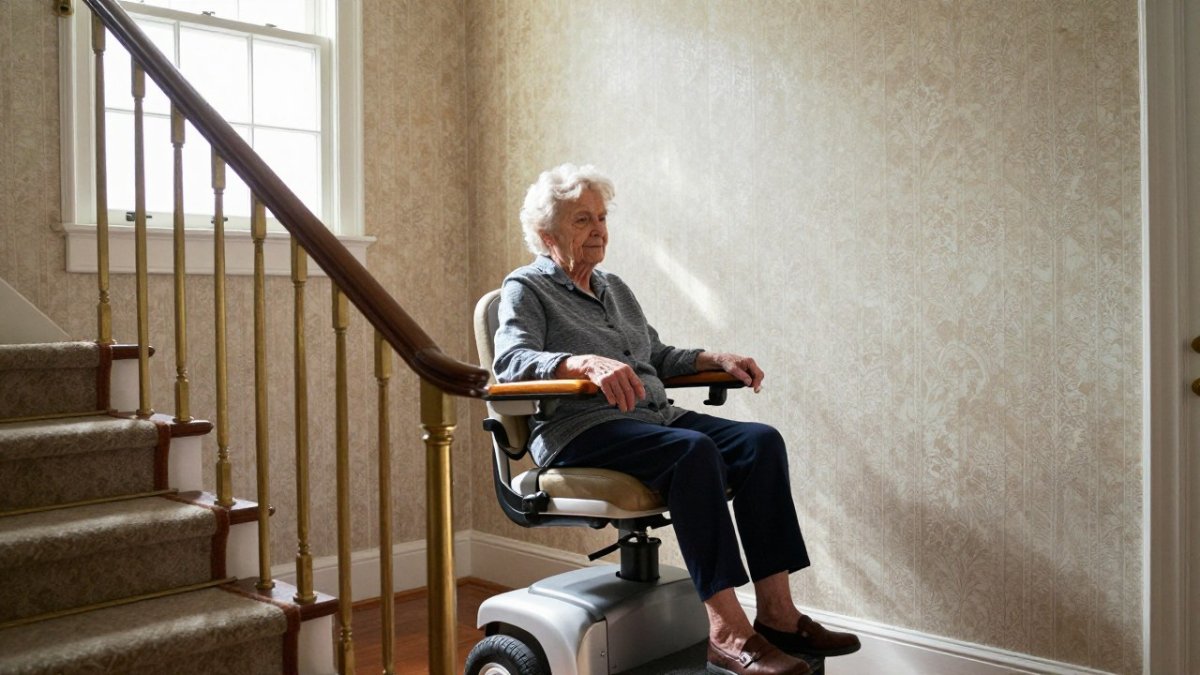
Climbing stairs gets harder as mobility declines, and for many older adults in Connecticut the staircase slowly becomes the part of the house they avoid, which is why many look into stairlift benefits early. Stairlifts can help people regain access to every floor of their home, so the upstairs bedroom and bathroom stay within reach. A stairlift is a motorized chair that rides a rail fixed to the staircase, carrying one person up and down while they stay seated. (Source: CDC STEADI fall prevention program)
Stairs demand balance, strength and steady knees, and each of those can weaken with age, surgery, injury or chronic conditions. A stairlift removes most of that load. The user sits, buckles in and presses a control, and the chair does the climbing.
Many homeowners find they are cutting back on trips upstairs long before they admit the stairs are a problem. A stairlift can reverse that pattern and bring back the routines that make a house feel like home.
Safety Benefits: Reducing Fall Risk on the Staircase
Falls on stairs are a serious concern for older adults, and a stairlift addresses the moment of greatest risk. Instead of gripping a rail and balancing on each step, the user stays seated with a backrest, armrests and a footrest in place. The CDC STEADI fall prevention program recommends home modifications as part of reducing fall risk among older adults.
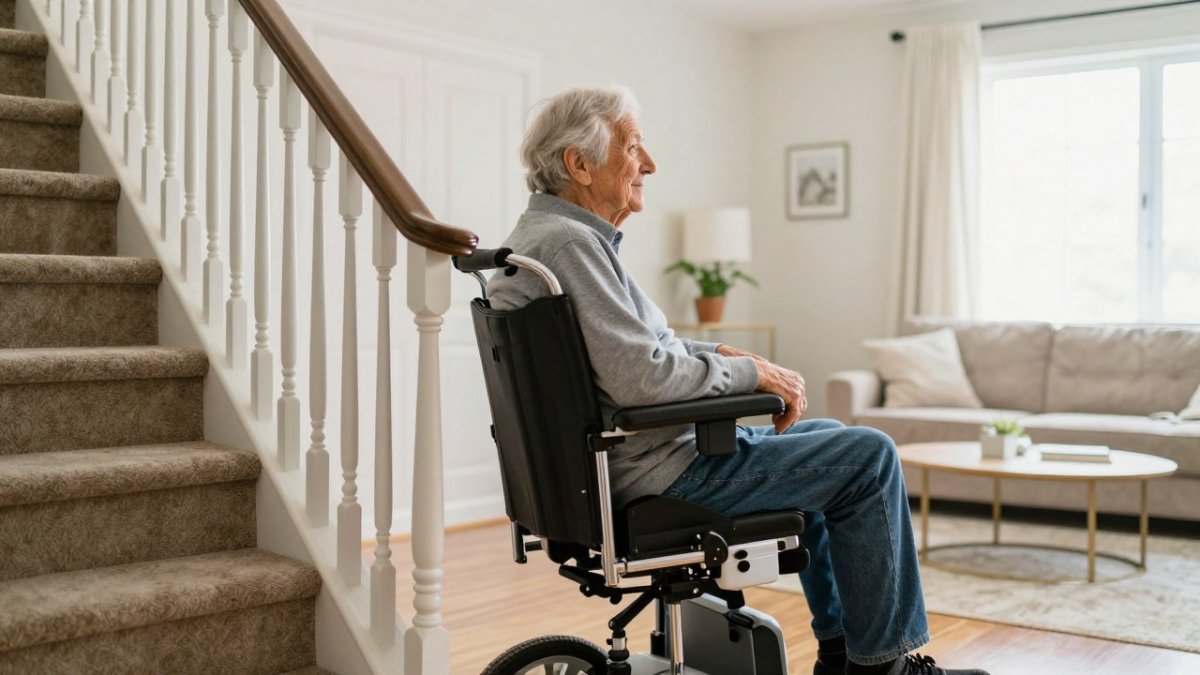
Safety features vary by model, so ask about them during an assessment. Common features include seat belts, swivel seats for safer exits at the top and bottom, and sensors that stop the chair if something blocks the path.
A common mistake is assuming a stairlift removes every hazard. Users still need to get on and off safely, keep clothing and feet clear of the track, and never stand on the stairs while the chair is in motion. Teaching everyone in the household the basic routine helps.
Independence and Aging in Place at Home
Many people want to stay in the home they know. Aging in place means living safely in your own residence for as long as possible, and the stairlift benefits of restored access often make a multi-story house workable for that goal. Without one, a bedroom or bathroom upstairs can quietly become off-limits.
With a stairlift, the user keeps control of daily life. They can dress in their own room, do laundry on the lower floor, check on a grandchild upstairs or simply get to bed without asking for help. That sense of independence is often as valuable as the physical benefit.
For adult children, the change can be just as meaningful. A parent who can manage the stairs safely reduces the need for constant supervision, and the family can focus on visits rather than logistics.
Stairlift Pros and Cons for Your Home
Before deciding, weigh the advantages against the trade-offs. Here is a practical summary:
Pros
- Restores access to every floor without moving house
- Reduces strain, pain and fatigue on the stairs
- Can be installed without major renovation in most homes
- Available in straight and curved designs for different staircases
- Can often be removed or relocated if your needs change
Cons
- The chair occupies part of the staircase, which can be a concern for households that use the stairs heavily
- Curved stairs usually require a custom-built rail, which costs more and takes longer
- The lift needs power, so outages and maintenance matter
- Narrow or unusually shaped stairs may limit which models fit
Whether a stairlift suits your home depends on your staircase, your mobility needs and how the household uses the space. A professional assessment is the most reliable way to check.
The table below sums up the main trade-offs a household should weigh before deciding on a stairlift.
| Factor | Pro | Con |
|---|---|---|
| Floor access | Restores access to every floor | Chair occupies part of the staircase |
| Physical effort | Reduces strain, pain and fatigue | Needs power, so outages and maintenance matter |
| Installation | Often possible without major renovation | Curved stairs need a custom rail and cost more |
| Fit | Straight and curved designs available | Narrow or unusual stairs may limit models |
| Flexibility | Can often be removed or relocated | Depends on the staircase and household use |
Stairlift Cost and Installation: What to Expect Beyond the Price Tag
Most shoppers focus on the chair, but the number that matters is the total cost of ownership over the years you plan to stay in the home. That total usually has four parts: the equipment, the rail and installation, ongoing service and batteries, and any funding or insurance contribution. Asking for each part separately makes quotes comparable.
Equipment and rail. Straight stairlifts use a standard rail that can often be trimmed to the staircase, which keeps cost and lead time down. Curved stairlifts require a rail fabricated to the specific staircase, so expect a longer measurement-to-installation timeline and a higher price.
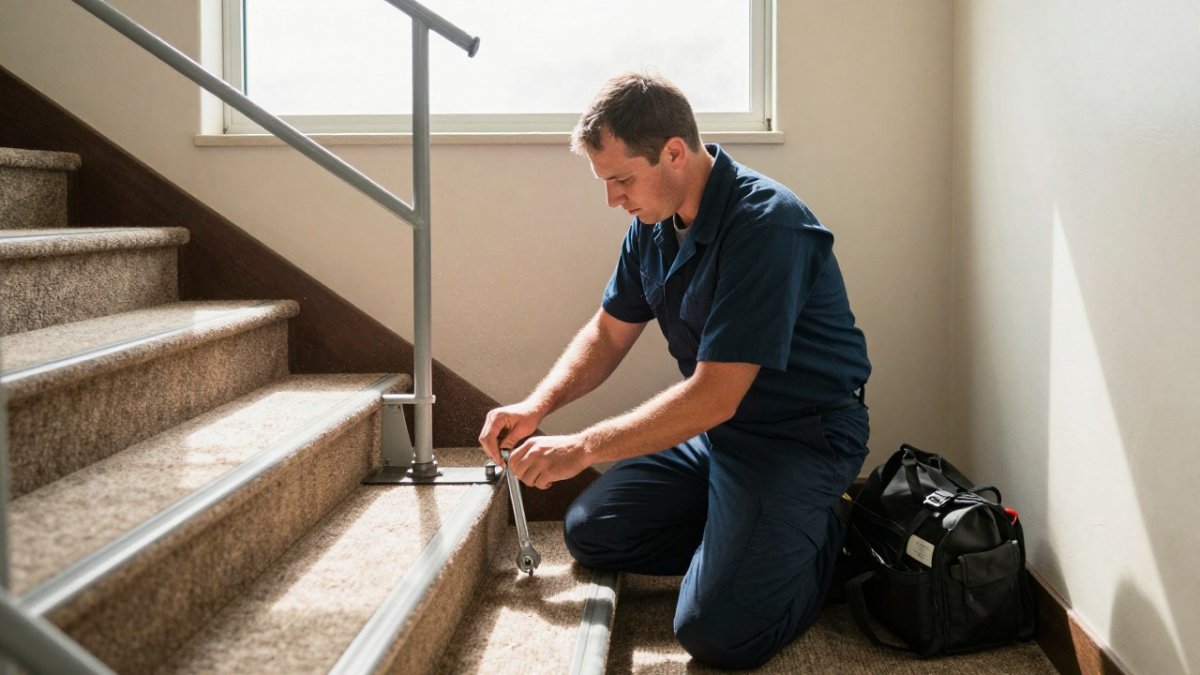
Installation. A straight install is commonly a single visit: the technician measures, mounts the rail to the stair treads or wall, attaches the chair, tests the limits and sensors, and walks the user through operation. Curved installs take longer because the rail is built to order and may need a second visit for final fitting.
Ongoing costs. Budget for annual service, battery replacement, and eventual repairs. Ask the provider for the recommended battery replacement interval and current replacement cost. Keep the manual and service records; they help at resale or removal. (Source: aging in place)
Funding and insurance. Coverage for stairlifts varies, and funding may be available through some government, veterans, and nonprofit programs. Check official sources and ask the provider about any funding options they work with.
Watch out: A low headline price can exclude the rail, delivery, or the first service visit, so compare written quotes line by line rather than the total alone.
Installation can change how the staircase is used, so plan ahead. Clear the stairs before any visit, remove loose rugs, and consider how the chair will occupy part of the staircase afterward. If others in the household use the stairs daily, ask the installer to explain how the chair folds and how much clearance it leaves.
Stairlift Power Outage Safety and Maintenance Planning
Most stairlifts run on electricity, with a battery that keeps them working during a short outage. Behavior during an outage depends on the model. Ask your installer how your lift responds to a power loss and what the emergency procedure is.
Plan ahead for an outage. Keep the remote and any manual release instructions where you can find them, and make sure someone in the household knows how to use them. Consider a backup plan for getting to the lower floor if the chair cannot move.
Regular maintenance can help keep a lift dependable, and inspections by a qualified technician can help identify worn parts or sensor issues. Keep the track clear, avoid overloading the chair and report any unusual noises or stops promptly.
Stairlift Alternatives for Seniors and Choosing the Right Option
A stairlift is one answer to a multi-story home, not the only one. The right choice depends on how much stair use remains, how the home is laid out, who else lives there, and how long the household plans to stay.
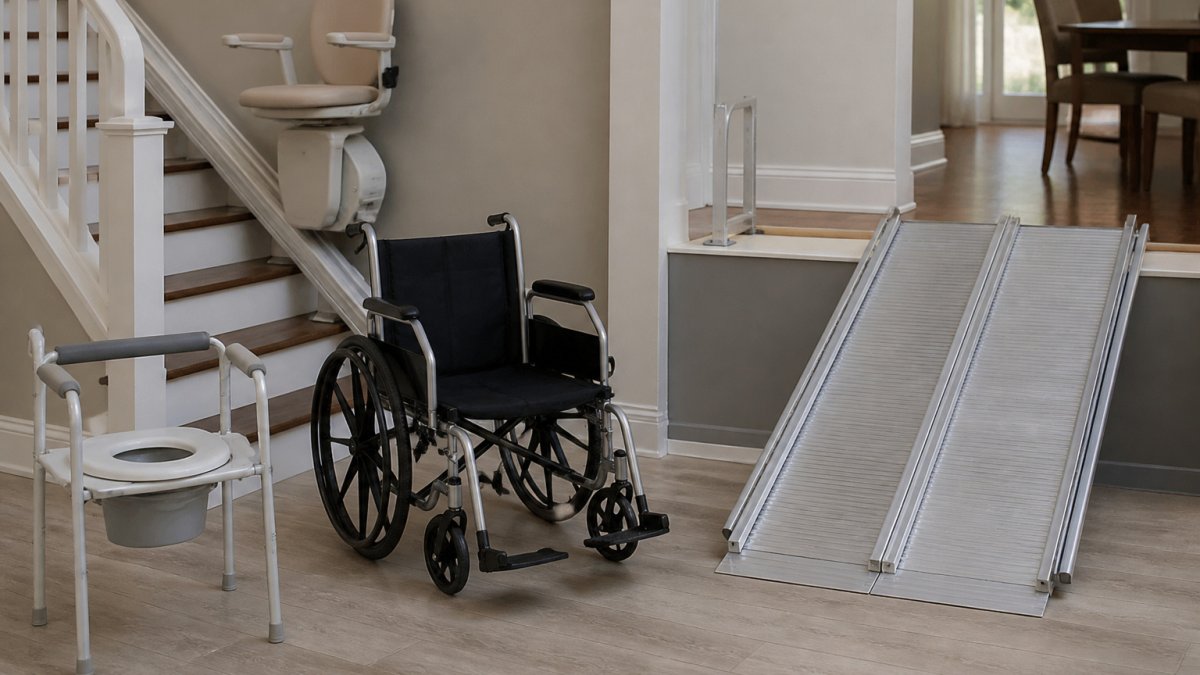
Home modifications short of a lift. Grab bars on both sides of the staircase, better lighting, contrast strips on stair edges, and a second handrail can reduce risk for someone who still climbs but is unsteady. These are the lowest-cost changes and often the first step.
Stair-climbing aids and perching stools. A perching stool or a stair-climbing aid can help for a short recovery period, but these devices still require balance, grip, and the ability to stand and turn. They are not a substitute for a seated ride when fatigue or breathlessness is the main problem.
Moving daily life to one floor. Relocating a bedroom or bathroom to the main level can be cheaper than a curved stairlift and avoids equipment entirely. The trade-off is loss of the upstairs rooms and sometimes significant remodeling.
Home elevator. An elevator carries a wheelchair or a standing user and can serve multiple floors, but it needs a shaft or a large footprint, structural work, and permits. It is usually the most expensive route and the slowest to install.
Relocating to a single-story home. Moving removes the stairs and the equipment, but it means leaving a familiar home and neighborhood, and the transaction costs of selling and buying can exceed the price of a stairlift.
Who should assess suitability. A stairlift assumes the user can transfer from a standing or seated position into the chair, sit upright, and operate a simple control.
A simple decision test. If the person can still walk but the stairs cause pain, breathlessness, or fear of falling, a stairlift usually fits. If the person cannot transfer safely or needs help throughout the day, compare a main-floor living arrangement or an elevator.
Booking a Home Assessment to See If a Stairlift Fits Your Stairs
The best next step is a home assessment. You can contact CT Stairlifts through its website to ask about a home assessment and next steps.
Come to the assessment with a list of questions. Ask about safety features, how the lift behaves during a power outage, maintenance requirements and what the quote includes. Good questions help you compare options fairly and make a confident decision.
If you are still weighing whether a stairlift is the right fit, a conversation with the CT Stairlifts team is a low-pressure way to get clear answers for your home.
Frequently Asked Questions
What are the downsides of having a stairlift?
Stairlifts take up floor space on the staircase, which can be a concern on narrow stairs, and they can be noticeable in the home's design. Some people find the seat and rail less than ideal for aesthetics, and the unit requires periodic maintenance and a working power supply. Ownership also means planning for repairs if the unit breaks down. Weighing these points against the mobility and safety gains helps determine whether a stairlift suits your household. A professional home assessment can clarify what the layout allows before you commit.
Are stairlifts safe to use during a power outage?
Some stairlifts include a battery backup that allows the unit to operate for a limited time when power is lost, but this varies by model and should be confirmed with the installer before purchase. Some units also have manual controls or a way to lower the seat safely. Ask whether your model has battery backup, how long it runs, and what the procedure is if the battery is depleted. Planning for an outage, such as keeping a phone charged and knowing who to call, adds an important layer of safety.
What is the average cost of putting in a stairlift?
Pricing depends on the type of stairlift, the length and shape of your staircase, and installation requirements, so there is no single figure that applies to every home. For current prices and a quote tailored to your staircase, contact CT Stairlifts directly through its website. Asking about what the quote includes, such as installation, delivery, and any service or warranty terms, will help you compare accurately. Some households also look at financing or insurance options, which are worth verifying with the relevant provider.
What can seniors do instead of a stairlift?
Alternatives include moving bedroom and bathroom use to the ground floor, installing a home elevator or vertical platform lift, or relocating to a single-level home. Some people choose to add grab bars and improved lighting on the stairs as a lower-cost step. The best option depends on the staircase, mobility needs, and household budget. A conversation with a qualified professional can help you compare these options against your specific situation.