 listicle
5 Signs You Need a Stairlift in 2026
Table of Contents
- Sign 1: You're Experiencing Declining Mobility on Stairs
- Sign 2: You've Had a Recent Surgery or Injury Recovery
- Sign 3: You're Gripping Handrails and Feeling Unsteady
- Sign 4: You're Avoiding Upper Floors or Spending Less Time There
- Sign 5: You're Worried About Falls and Losing Your Independence
- How to Prevent Falls at Home Beyond a Stairlift
- Understanding Stairlift Cost Estimates and Funding Options
- Assessing Your Staircase and Home Accessibility Needs
- Frequently Asked Questions
Last Updated: September 30, 2026
Sign 1: You're Experiencing Declining Mobility on Stairs
Climbing stairs has become noticeably harder. You pause between steps, grip the handrail tighter, or feel your legs weaken halfway up. Understanding 5 signs you need a stairlift helps you recognize when intervention matters, and this is one of the earliest.
Declining mobility on stairs affects your independence: you might avoid upper floors, spend more time on one level, or feel anxious navigating alone. The physical strain increases fall risk with each trip.
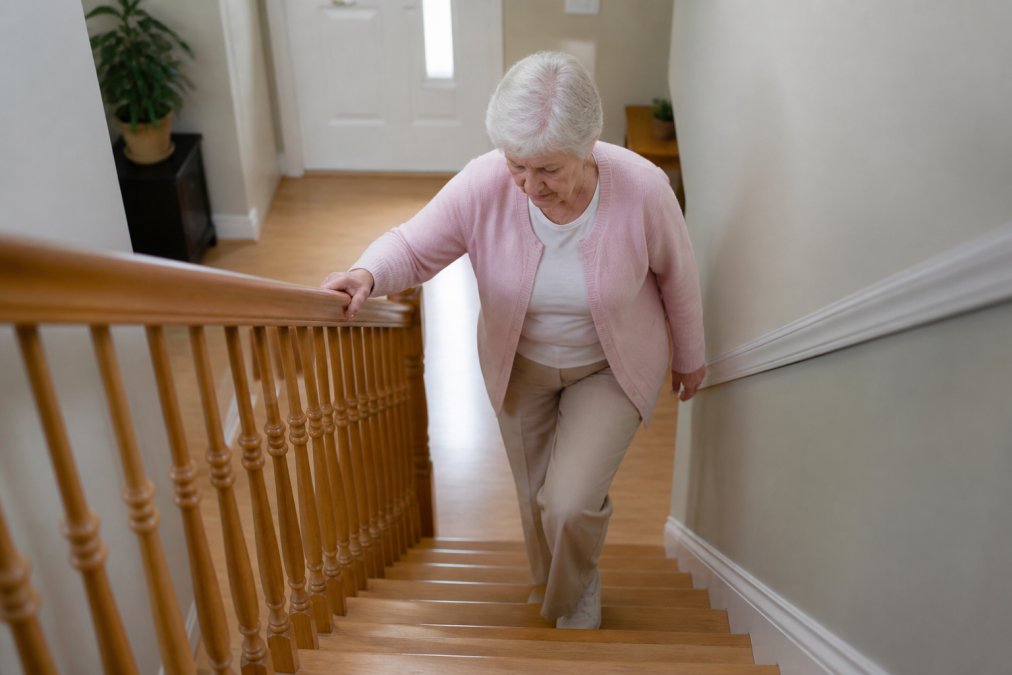
Common causes include arthritis, reduced leg strength, balance issues, and age-related changes. If climbing stairs leaves you breathless, causes pain, or requires rest between flights, a stairlift can restore access to your entire home without physical toll.
If you find yourself planning your day around avoiding stairs, intervention becomes valuable. A stairlift eliminates the physical demand, letting you move freely between floors without strain.
Sign 2: You've Had a Recent Surgery or Injury Recovery
Post-surgical recovery and injury rehabilitation create temporary but urgent mobility challenges. After hip surgery, knee replacement, or a serious fall, stairs become a genuine hazard during the healing window.
Recovery timelines vary from weeks to months. Avoiding stairs during recovery weakens muscles further, extending healing. A stairlift lets you move between floors safely while your body heals, preventing secondary complications from immobility.
A stairlift lets you maintain activity during recovery without weight-bearing stress on healing joints, avoiding compensatory movements that strain other body parts.
For temporary recovery, rental or lease options may suit your situation. For uncertain or chronic conditions, purchase makes more sense. Either way, accessibility during this vulnerable period prevents falls and complications.
Sign 3: You're Gripping Handrails and Feeling Unsteady
Handrails are supposed to be a safety feature, not a lifeline. If you're gripping them hard, leaning heavily, or feeling unsteady even with both hands holding on, your balance and strength have declined beyond what a handrail can safely manage.
You might feel dizzy, experience leg tremors, or lose confidence in your footing. These neurological or muscular changes, age-related, medication-related, or condition-related, handrails alone can't solve.
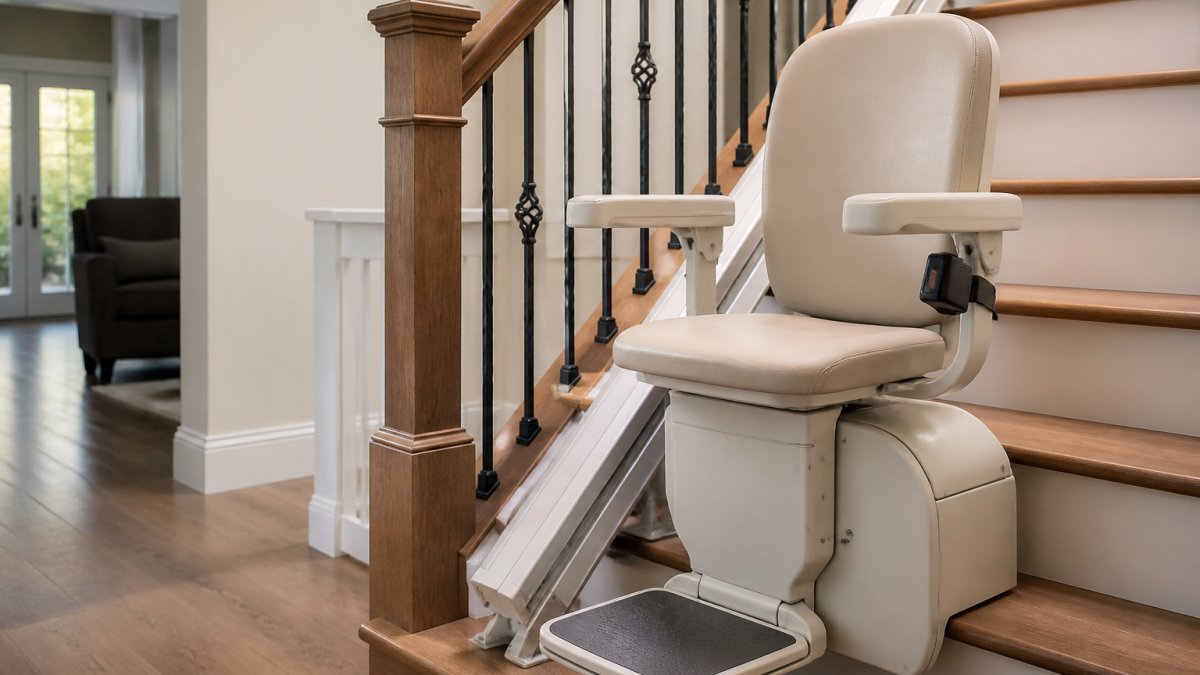
A stairlift removes the balance equation: you're seated, supported, and guided smoothly. Safety features like obstruction sensors and swivel seats prevent accidents. Removing the anxiety stressor improves confidence and independence.
Warning signs include stumbling, grabbing at walls, or needing a spotter. A stairlift provides the stability and support that handrails cannot.
Sign 4: You're Avoiding Upper Floors or Spending Less Time There
Behavioral changes often precede physical complaints: you stop going upstairs, laundry piles up downstairs, or you spend nights on the couch instead of your bed. You're restructuring your life around the stairs rather than addressing the problem.
This is critical because adaptation means accepting a smaller life: your home shrinks to one floor, social activities limit, and independence erodes quietly.
A single-floor lifestyle limits home value and usability. A stairlift restores access before you've fully restructured routines around avoidance.
You're starting to see yourself as someone who can't do stairs. Reclaiming access reinforces your sense of capability and independence.
Sign 5: You're Worried About Falls and Losing Your Independence
Fear often arrives before physical failure: you worry about falling, getting stuck, or losing independence, and recognizing 5 signs you need a stairlift includes this anxiety itself, which becomes disabling and restricts movement and confidence.
Falls on stairs cause fractures, head injuries, and prolonged recovery (the CDC). But over-restriction leads to deconditioning, which increases fall risk in other contexts.
A stairlift eliminates fall risk on stairs entirely. That shift from anxiety to security often restores confidence in other areas.
Many worry that using a stairlift means admitting defeat. The opposite is true: it preserves independence by letting you stay in your home and avoid the greater loss that comes with a fall or forced relocation.
How to Prevent Falls at Home Beyond a Stairlift
A stairlift addresses stairs, but comprehensive home safety requires other modifications: removing tripping hazards, improving lighting, installing grab bars, and securing loose rugs.
Consider these practical steps:
- Lighting: Ensure stairwells and hallways are well-lit. Motion-sensor lights in bathrooms and bedrooms reduce nighttime fall risk.
- Handrails: Install or repair handrails on both sides of stairs where possible. Ensure they're sturdy and at the correct height.
- Flooring: Remove throw rugs or secure them completely. Choose non-slip surfaces in bathrooms and kitchens.
- Clutter: Keep pathways clear. Store frequently used items at waist height to avoid bending or reaching.
- Footwear: Wear supportive shoes with non-slip soles indoors. Avoid loose slippers or backless shoes.
- Vision and hearing: Regular eye exams and hearing checks prevent accidents caused by poor perception.
- Medications: Review medications with your doctor. Some increase dizziness or balance problems.
A stairlift handles the stairs. These other measures handle the rest of your home. Together, they create a comprehensive safety strategy that lets you age in place confidently.
Understanding Stairlift Cost Estimates and Funding Options
Stairlifts vary widely based on whether your staircase is straight or curved and the features you need. Straight stairlifts cost less than curved models because the rails are simpler. Your home assessment determines the exact price.
Each installation is tailored to your staircase. Understand what's included: equipment, installation, safety testing, and maintenance. Compare warranty terms and service agreements.
Medicare and Medicaid Coverage: What Actually Qualifies
Medicare Part B may cover stairlifts if deemed medically necessary and prescribed by a doctor as part of rehabilitation after surgery, injury, or acute illness. The stairlift must be documented as durable medical equipment (DME).
Coverage depends on your Medicare plan, doctor's documentation, medical necessity, and whether your local Medicare Administrative Contractor (MAC) approves DME claims for stairlifts.
Veterans Benefits and Other Funding Sources
Veterans may qualify for stairlifts through the Aid & Attendance (A&A) benefit or Specially Adapted Housing (SAH) grant. A&A stipends can be used toward home modifications. SAH grants typically require service-connected disability rated at 50% or higher. Contact your local VA office to explore eligibility.
Tax Deductions and Out-of-Pocket Planning
If you pay out of pocket, you may deduct it as a medical expense if your total medical expenses exceed 7.5% of your adjusted gross income and the stairlift is prescribed by a doctor. Consult a tax professional to determine whether your situation qualifies.
Creating a Financial Strategy
Before contacting providers, gather insurance information: Medicare card, Medicaid status, supplemental insurance, and veteran benefits. Call your Medicare or Medicaid office to ask whether a stairlift qualifies under your plan before committing to an assessment.
Assessing Your Staircase and Home Accessibility Needs
Before contacting a provider, gather basic information about your staircase. This information helps you understand whether your home is a straightforward installation or a more complex project, and it gives you language to discuss your situation with specialists.
Measuring Your Staircase: What Matters
Count the steps, measure the total rise (vertical distance), and measure the width. Most stairlifts require a minimum width of 32 inches. If narrower, you'll need a model with a narrower track or folding seat.
Straight vs. Curved: Understanding the Difference
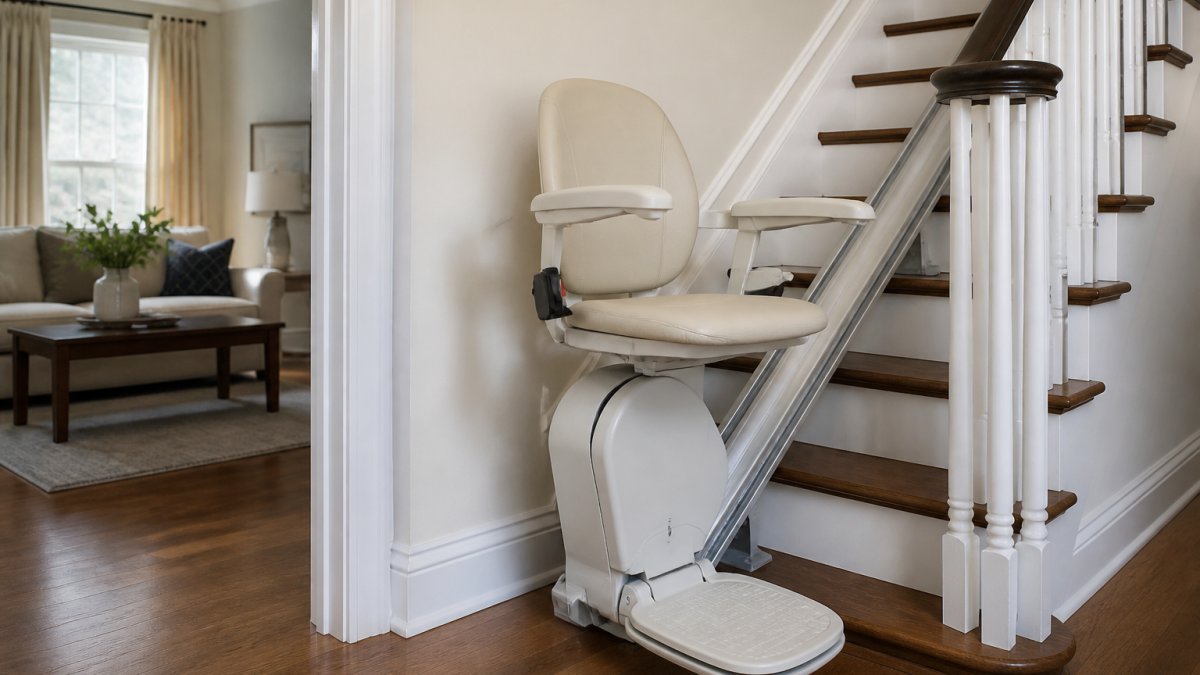
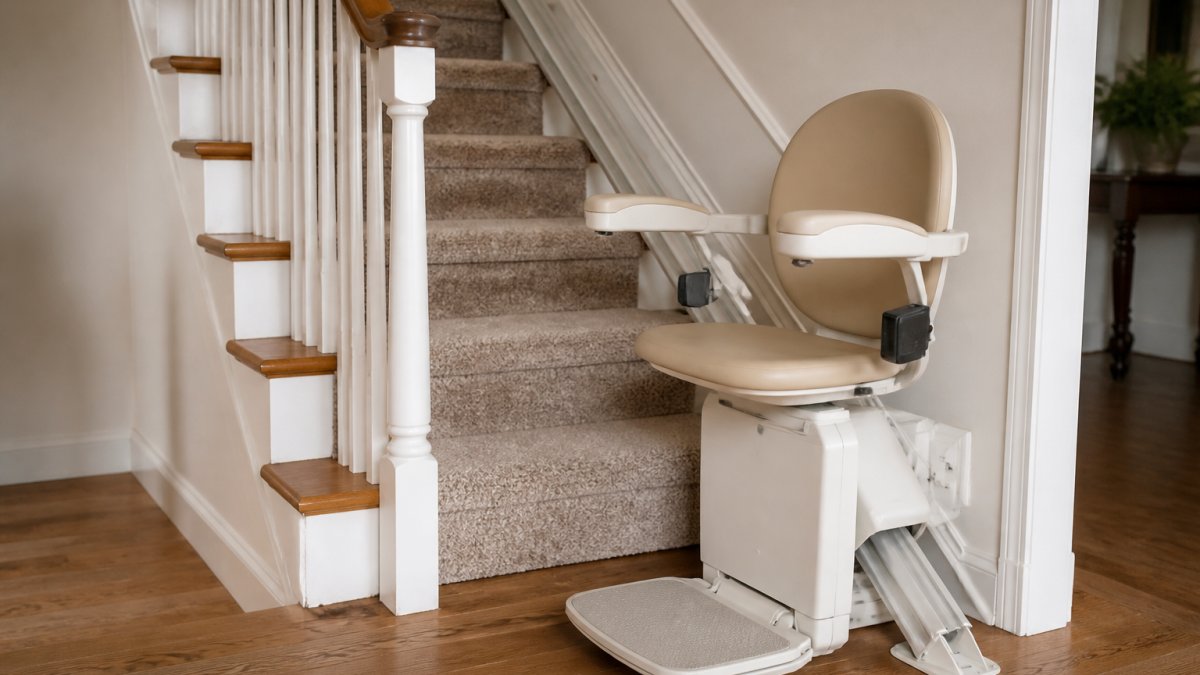
A straight stairlift works on staircases with no turns or landings. Installation is faster, equipment is less expensive, and maintenance is simpler.
What a Professional Home Assessment Evaluates
A specialist will visit your home to conduct a detailed assessment that determines feasibility, cost, and timeline.
Understanding Your Home's Layout Beyond the Stairs
Consider which spaces matter most: bedroom, bathroom, kitchen, or laundry room. Understanding which areas you need helps you prioritize your accessibility strategy.
Next Steps After Your Assessment
After the specialist completes the assessment, you'll receive a detailed quote that includes the equipment cost, installation cost, any electrical work or structural repairs needed, warranty terms, and maintenance or service agreements. The quote should also include a timeline: when installation can begin and how long it will take.
Frequently Asked Questions
What are the early warning signs that stairs are becoming unsafe?
Early warning signs include needing to grip the handrail tightly, moving slowly or pausing between steps, feeling dizzy or unbalanced, dragging your feet, or avoiding stairs altogether. You might also notice yourself using the wall for support or taking stairs one step at a time. These signs suggest declining mobility and increased fall risk. If you notice any combination of these, it's time to consider accessibility modifications to prevent falls at home and maintain your independence.
Does Medicare cover the cost of stairlift installation?
Medicare typically does not cover stairlifts as a standalone purchase. However, Medicare may cover certain home modifications if they're deemed medically necessary and prescribed by a physician as part of rehabilitation following surgery or injury. Coverage depends on your specific situation and Medicare plan. Contact your plan directly or consult with your doctor about what home modifications might qualify. Many people explore alternative funding through Medicaid, Veterans Affairs, or private insurance options.
How do I know if my staircase is suitable for a stairlift?
Most staircases can accommodate a stairlift, including narrow stairs, curved staircases, and those with landings. The key is having a professional home assessment to measure your staircase dimensions, evaluate wall structure, and check for obstructions. Specialists can custom-engineer rails to fit your specific layout. Even complex staircase configurations typically have solutions available. A consultation with an installer will confirm suitability and discuss whether a straight or curved stairlift works best for your home.
What alternatives exist for seniors who struggle with stairs?
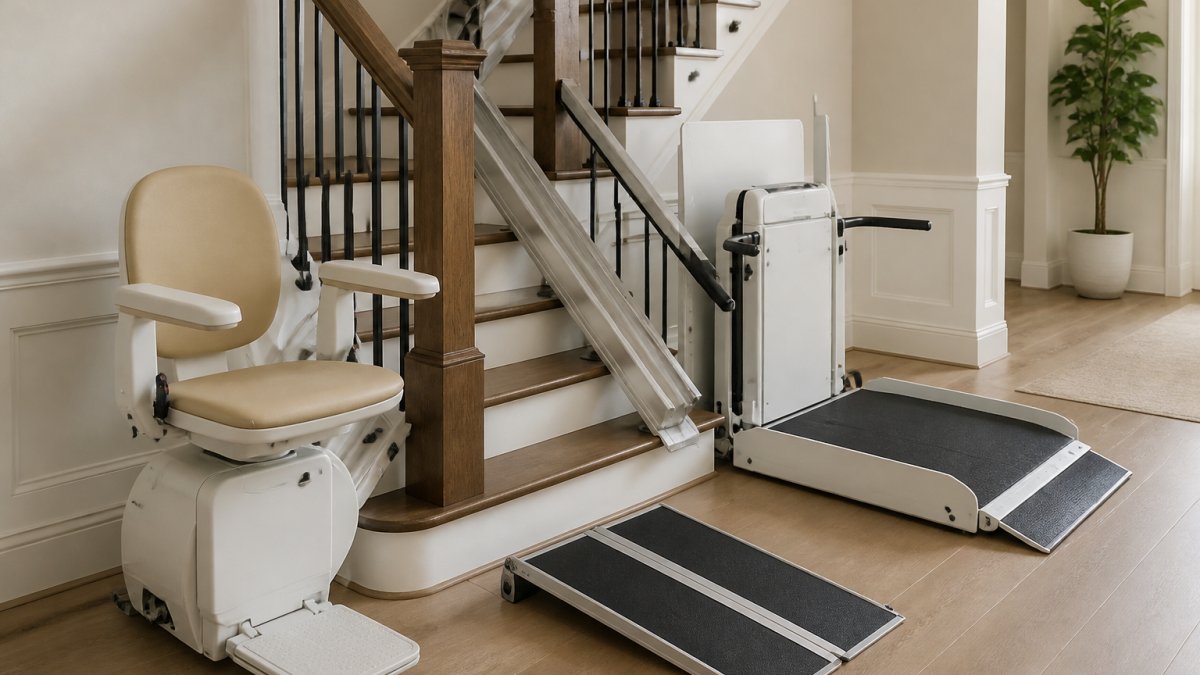
Alternatives to stairlifts include installing grab bars and improving handrails, adding stair treads for better traction, improving lighting on staircases, rearranging your home to avoid stairs, or relocating your bedroom to the main floor. Some people install elevators or platform lifts for wheelchair users. However, stairlifts remain the most practical solution for most homeowners because they allow you to age in place without major renovations, maintain access to your entire home, and preserve your independence and mobility across all floors.
What should I expect during stairlift installation and maintenance?
Installation typically takes time depending on whether you need a straight or curved stairlift and your staircase complexity. Technicians will secure custom-engineered rails to your staircase, install the motorized carriage, and test all safety features including obstruction sensors and battery backup systems. After installation, regular maintenance includes checking for loose bolts, inspecting the seat belt, listening for unusual noises, and scheduling professional service intervals. Most stairlifts require annual inspections to ensure smooth movement and safe operation.