 listicle
Best Stairlift Companies in Connecticut
Table of Contents
- Best Stairlift Companies in Connecticut: Quick Comparison
- CT Stairlifts: Local Expertise and Personalized Service
- Stannah: Established Quality with Rental Options
- Bruno Independent Living Aids: American-Made Durability
- Acorn Stairlifts: Compact Design for Narrow Staircases
- Understanding Stairlift Installation Cost in Connecticut
- Stairlift Maintenance Tips for Long-Term Reliability
- Conclusion
- Frequently Asked Questions
Last Updated: September 24, 2026
Best Stairlift Companies in Connecticut: Quick Comparison
Finding the right stairlift company in Connecticut requires understanding what separates reliable local providers from national chains that treat your home like another job number. The best stairlift companies in Connecticut balance installation expertise, local service responsiveness, and equipment quality that actually suits your specific staircase layout.
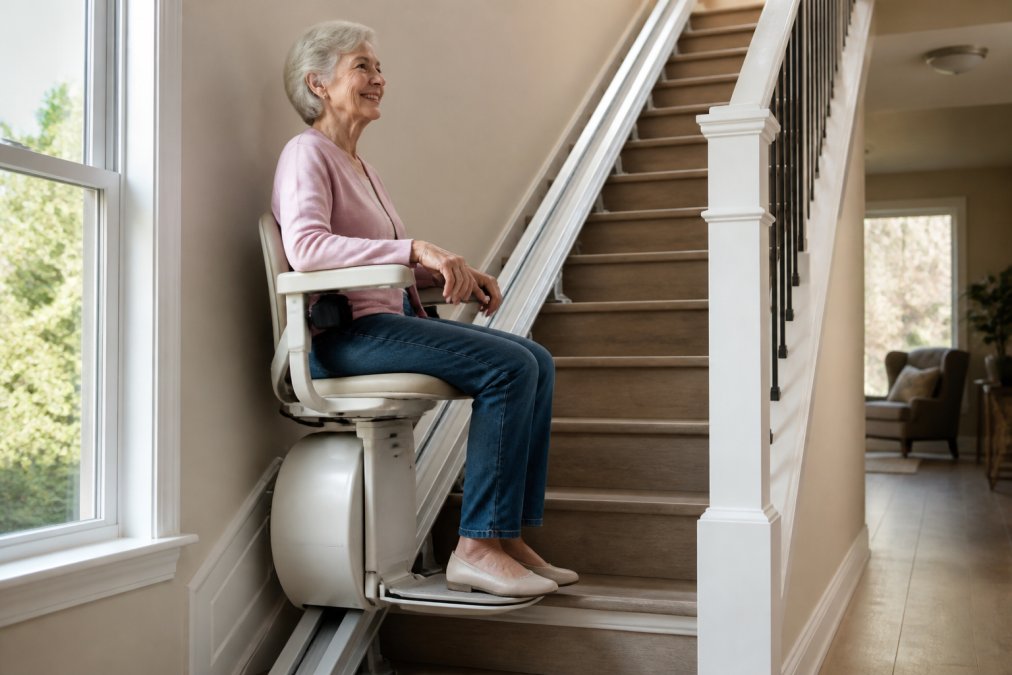
The best stairlift companies in Connecticut share three core strengths: understanding older home architecture, responding quickly to maintenance needs, and transparent pricing.
| Company | Key Strength | Best For | Installation Approach |
|---|---|---|---|
| CT Stairlifts | Local expertise and personalized service | Connecticut homeowners prioritizing responsive, local support | In-home assessment and custom installation |
| Stannah | Established reliability with rental flexibility | Homeowners wanting premium quality and rental options | Dealer network with professional installation |
| Bruno Independent Living Aids | American-made durability and heavy-duty capacity | Consumers prioritizing domestic manufacturing | Dealer-coordinated installation |
| Acorn Stairlifts | Space-efficient compact design | Homes with narrow or curved staircases | Direct-to-consumer with fast timelines |
| Harmar | User-friendly controls and safety sensors | Daily users needing intuitive operation | Dealer network installation |
CT Stairlifts: Local Expertise and Personalized Service
Local companies understand Connecticut's specific challenges: older colonial and Victorian homes with tight stairwells, unusual angles, and plaster walls that complicate installation.
CT Stairlifts handles the entire process from assessment through installation and service, eliminating coordination gaps between manufacturers and third-party installers.
Local service means speaking with someone familiar with Connecticut properties and receiving maintenance response times that reflect local presence, not a regional schedule.
Stannah: Established Quality with Rental Options
The tradeoff is premium pricing. Stannah positions itself as the quality choice, and the price reflects that positioning. For homeowners where cost is the primary constraint, other options deliver adequate functionality at lower investment.
Bruno Independent Living Aids: American-Made Durability
Bruno's reputation among installation professionals suggests strong engineering and reliability for homeowners prioritizing durability.
Acorn Stairlifts: Compact Design for Narrow Staircases
Acorn specializes in space-efficient designs for narrow staircases where standard stairlifts won't fit.
Home Architecture Compatibility: Fitting Stairlifts in Older Connecticut Homes
Connecticut homes built before 1950, particularly colonial, Victorian, and early ranch-style properties, present unique installation challenges that standard stairlift sizing cannot accommodate. Understanding these compatibility issues before requesting an assessment prevents wasted time and disappointment.
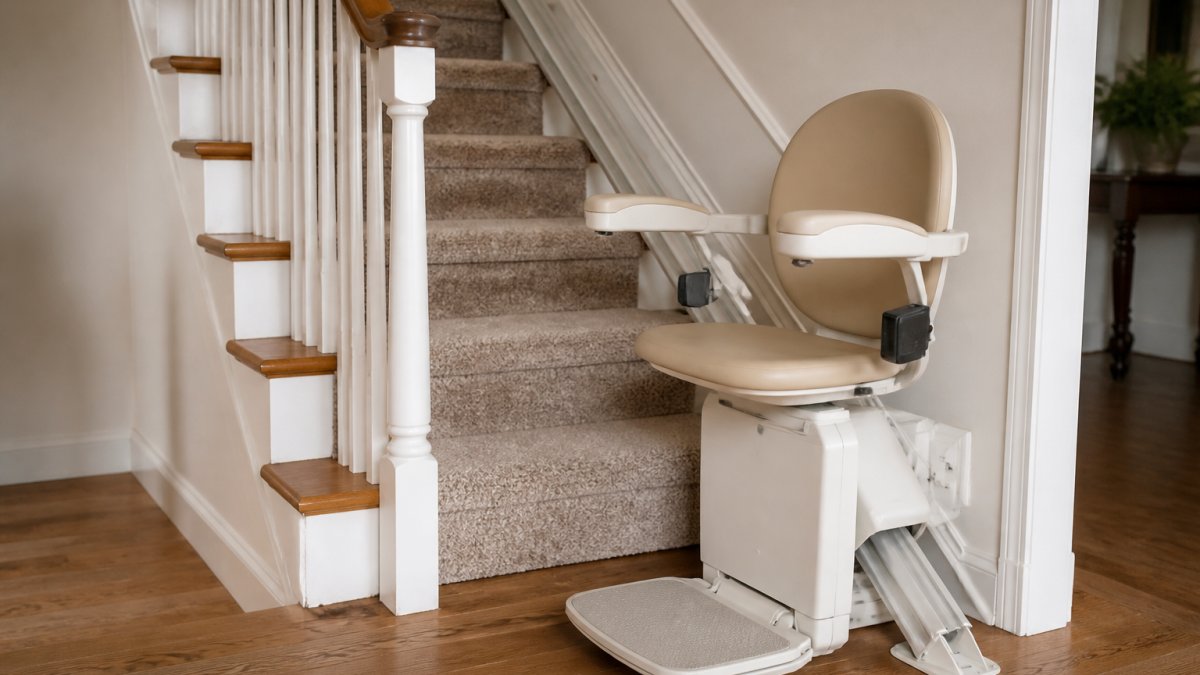
Staircase Width Constraints. Standard stairlifts require a certain clear width; many older Connecticut homes have staircases that may leave limited clearance. Slimline models can reduce the footprint, preserving passage width. Staircases narrower than a certain width may require slimline models.
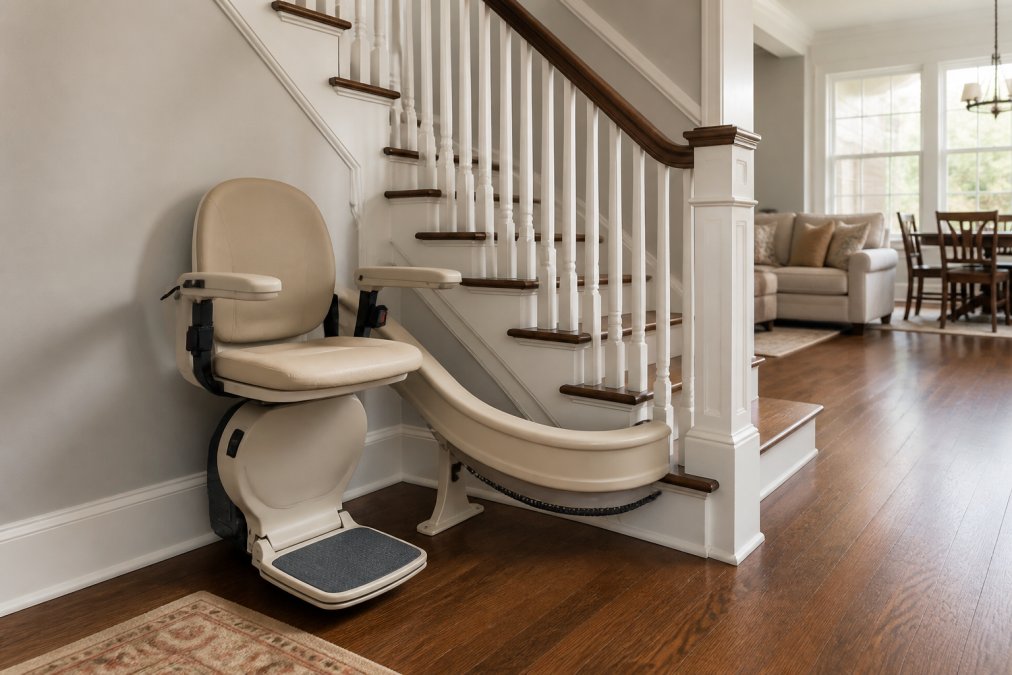
Curved Staircase Geometry. Curved rails typically cost more than straight rails because they must be custom-bent. Some providers offer modular systems using pre-fabricated sections. Request detailed measurements of step depth, rise, run, and landings to avoid costly rework.
Plaster Wall Anchoring. Pre-1970 Connecticut homes typically have plaster walls over wood lath, not modern drywall. Plaster is brittle and does not hold standard drywall anchors. Stairlift installation in plaster homes requires locating the wood framing behind the plaster and anchoring directly to the studs. This may require additional labor and opening sections of wall to verify framing location. Installers experienced with older homes know to budget for this. Confirm your installer has experience with pre-1950 homes before signing a contract.
Hallway and Landing Space. Curved stairlifts require adequate space at the top landing for the seat to rotate and for the user to safely exit. Connecticut homes with tight upstairs hallways (common in older colonials) may lack the 3 to 4 feet of clear space needed for safe egress. A site assessment must measure the landing depth and hallway width. If space is insufficient, some providers offer seat rotation kits that allow manual or powered rotation in tighter quarters, but these add cost and complexity.
Electrical Outlet Proximity. Stairlifts require a dedicated 120-volt outlet within 6 feet of the base of the staircase. Older Connecticut homes often have limited outlet placement, and adding a new circuit may require running wire through walls. If your home's electrical panel is on the opposite side of the house, installation costs increase. Request an electrical assessment during your in-home evaluation.
Understanding Stairlift Installation Cost in Connecticut
Installation cost depends on factors specific to your home. Straight staircases cost less than curved tracks because they use standard rail systems. Your staircase length, width, weight capacity requirements, and whether you need outdoor installation all affect the final price.
Connecticut homes built before 1980 often present installation challenges that increase costs. Plaster walls require different anchoring methods than modern drywall. Unusual staircase angles demand custom rail bending. These complications aren't optional, they're necessary to ensure safe, code-compliant installation.
Professional installation is non-negotiable. DIY stairlift installation creates liability and safety risks. You need a technician who understands load-bearing requirements, electrical codes, and safety sensor calibration. This expertise costs money, but it's the cost of doing the job correctly.
Request detailed quotes from multiple providers. A quote should itemize rail cost, seat mechanism, installation labor, electrical work, and any modifications required for your specific staircase. Vague pricing estimates typically indicate the company hasn't properly assessed your home.
Insurance and Financial Assistance in Connecticut
Medicare coverage for stairlifts is limited and requires specific conditions. Medicare Part B covers stairlifts only if a physician prescribes them as "medically necessary durable medical equipment" for a documented mobility impairment. The prescription must be tied to a qualifying diagnosis, post-surgical recovery, arthritis, or neurological conditions typically qualify; general aging does not. Even with a valid prescription, Medicare covers only 80 percent of the approved amount after you meet your Part B deductible. You are responsible for the remaining 20 percent coinsurance. Contact your Medicare Advantage plan (Part C) directly, as coverage rules vary by insurer.
Medicaid coverage in Connecticut is more generous than Medicare but subject to income and asset limits. Connecticut's Medicaid program (HUSKY) covers stairlifts as a home modification under its waiver programs for seniors and individuals with disabilities, provided your household income falls below a certain percentage of the federal poverty line. You must apply through the Connecticut Department of Social Services and receive prior authorization before purchase. Processing timelines typically range from 4 to 8 weeks. Medicaid does not cover rental; only purchase qualifies for reimbursement.
Private insurance rarely covers stairlifts unless your policy explicitly includes home modification benefits. Review your homeowner's or supplemental health insurance policy for language on "accessibility equipment" or "home safety modifications." Some long-term care insurance policies include stairlift coverage if you meet the policy's definition of functional impairment. Contact your insurance agent with your policy number to confirm coverage eligibility before requesting an in-home assessment.
Connecticut residents over 60 may qualify for assistance through the Connecticut Department of Aging's Home Modification Program, which provides grants for accessibility improvements, including stairlifts. Eligibility requires a household income below a certain percentage of the area median income and a documented functional limitation.
Non-insured homeowners should ask providers about financing options. Non-insured homeowners should ask providers about financing options. Some providers may offer payment plans or discounts. Compare financing terms across providers.
Stairlift Maintenance Tips for Long-Term Reliability
Stairlifts require minimal maintenance, but neglecting basic care shortens their lifespan. Monthly visual inspection catches loose bolts, worn seat fabric, or debris in the track before they become problems.
Conclusion
Choosing the best stairlift company in Connecticut comes down to matching your specific situation with a provider that understands your home and your needs. Local companies like CT Stairlifts offer personalized assessment and ongoing support that reflects real familiarity with Connecticut properties.
Frequently Asked Questions
How much does a stairlift cost in Connecticut?
Stairlift costs depend on several factors, including track type (straight or curved), weight capacity, safety features, and installation complexity. Straight rail models typically cost less than curved rail systems. Professional installation, customization for your specific staircase, and warranty coverage all influence final pricing. Contact stairlift providers directly for a quote based on your home's layout and accessibility needs.
What is included in stairlift maintenance tips?
Regular maintenance extends stairlift life and ensures safe operation. Key maintenance tasks include keeping the track clean and free of debris, checking battery backup systems monthly, testing safety sensors and emergency stop buttons, and lubricating moving parts as recommended by the manufacturer. Most providers offer maintenance plans that cover professional inspections and repairs, ensuring your stairlift remains reliable for daily use.
Does Medicare cover stairlift installation in Connecticut?
Medicare typically does not cover stairlifts as a standalone purchase. However, Medicare Part B may cover mobility aids if prescribed by a doctor as medically necessary durable medical equipment. Coverage eligibility varies by individual circumstances and specific diagnoses. Contact your Medicare provider or a local stairlift company to discuss potential financial assistance programs, including state grants or non-profit funding options available in Connecticut.
How long does stairlift installation typically take?
Professional stairlift installation generally takes one to three days, depending on staircase complexity and whether custom rail fabrication is needed. Straight rail installations are faster than curved rail systems. Most providers schedule installation after an in-home assessment and measurement. Installation includes securing the track, mounting the chair mechanism, testing all safety features, and training you on operation and maintenance.
Can I rent a stairlift instead of buying one in Connecticut?
Yes, rental options are available through some stairlift providers. Rentals work well for temporary needs, such as recovery from surgery or injury. Rental agreements typically include installation, maintenance, and removal. Pricing and rental terms vary by provider. Contact local dealers to compare rental costs and whether a rental or purchase option better suits your situation and timeline.
Your home should remain accessible at every level. CT Stairlifts provides specialized installation services designed to restore your independence safely. Contact us for an in-home assessment, we'll evaluate your staircase, discuss your mobility goals, and explain exactly what's involved in bringing full-floor access back to your home.