 listicle
Benefits of Walk-In Tubs for Seniors: Safety & Independence
Table of Contents
- Why Walk-In Tubs Are Getting Attention Among Seniors
- Walk-In Tub Safety Features That Reduce Fall Risk
- Walk-In Tub Pros and Cons for Older Adults
- Walk-In Tub Cost for Seniors: What to Expect
- Walk-In Tub Alternatives for Seniors to Consider
- Who May Not Be a Good Candidate for a Walk-In Tub
- Frequently Asked Questions
Last Updated: October 18, 2026
Why Walk-In Tubs Are Getting Attention Among Seniors
The benefits of walk-in tubs for seniors come down to one thing: a bathing option built around limited mobility instead of a standard tub wall. For older adults with balance problems, arthritis, or a history of falls, that removes the most dangerous moment in the bathroom.
This guide from CT Stairlifts covers what these tubs do well, what they cost, and who should think twice. We install stairlifts rather than tubs, but we spend our days in the same homes: two-story houses where a parent wants to stay put.
Walk-in tubs solve a real problem, but they are not a universal upgrade. Below we break down the safety features, pros and cons, costs, and alternatives so you can judge whether this is right for your home.
Walk-In Tub Safety Features That Reduce Fall Risk
Fall risk is where walk-in tubs earn their reputation. The CDC's falls prevention data for older adults consistently identifies the bathroom as one of the most hazardous rooms in the home, largely because of wet surfaces and the need to step over a tub wall.
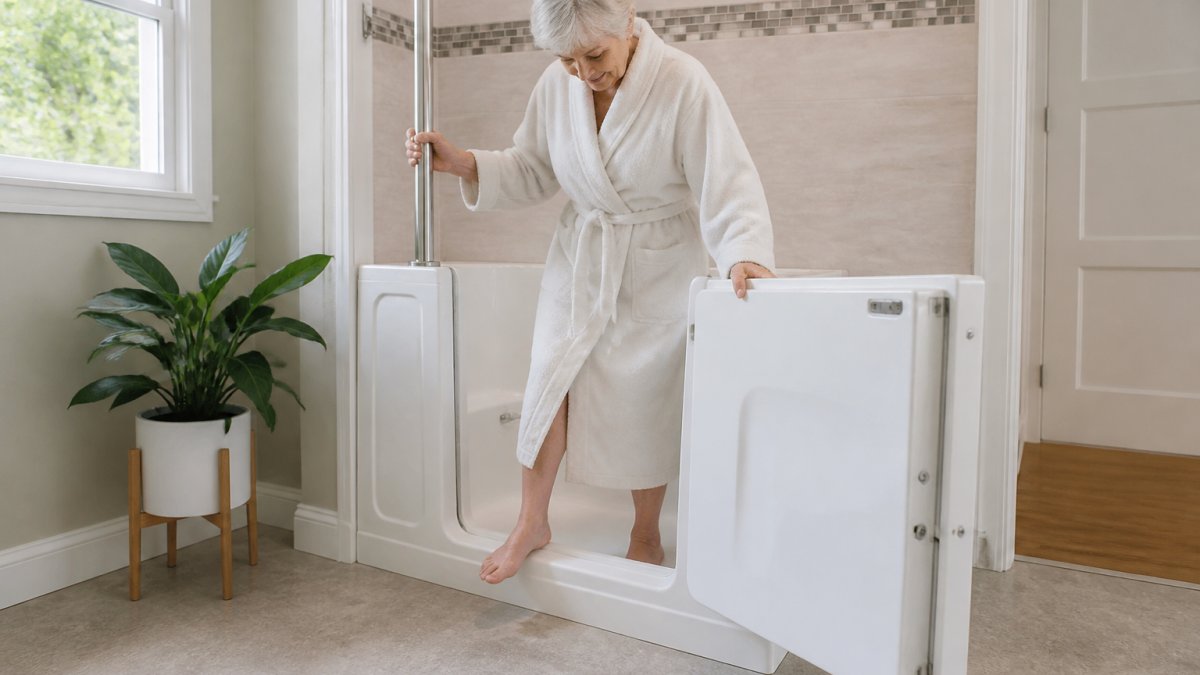
Low-Threshold Entry and Watertight Doors
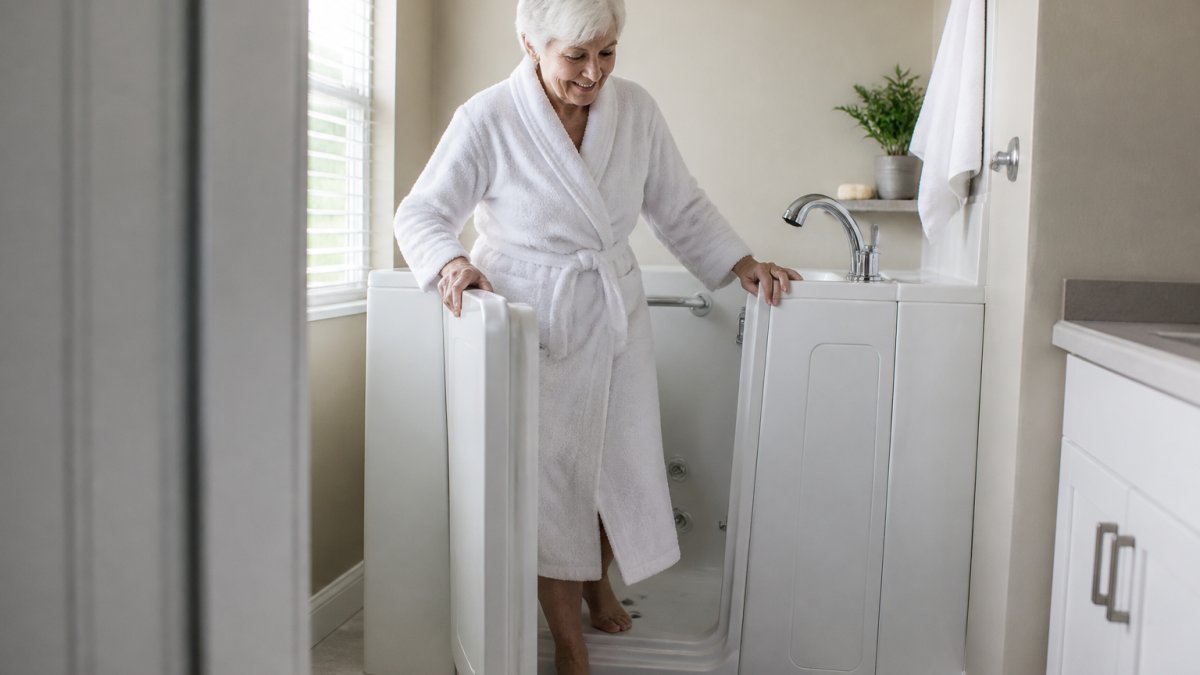
The centerpiece is the low-threshold entry. Instead of lifting a leg over a high wall, the bather opens a door and steps onto a floor-level or slightly raised base. Most models keep the threshold low enough for a shower chair or walker.
The watertight door makes this possible: a compression seal and locking mechanism hold water in during the bath, then release so the door can open.
Grab Bars, Built-In Seats, and Non-Slip Flooring
Beyond the door, three features do the daily work:
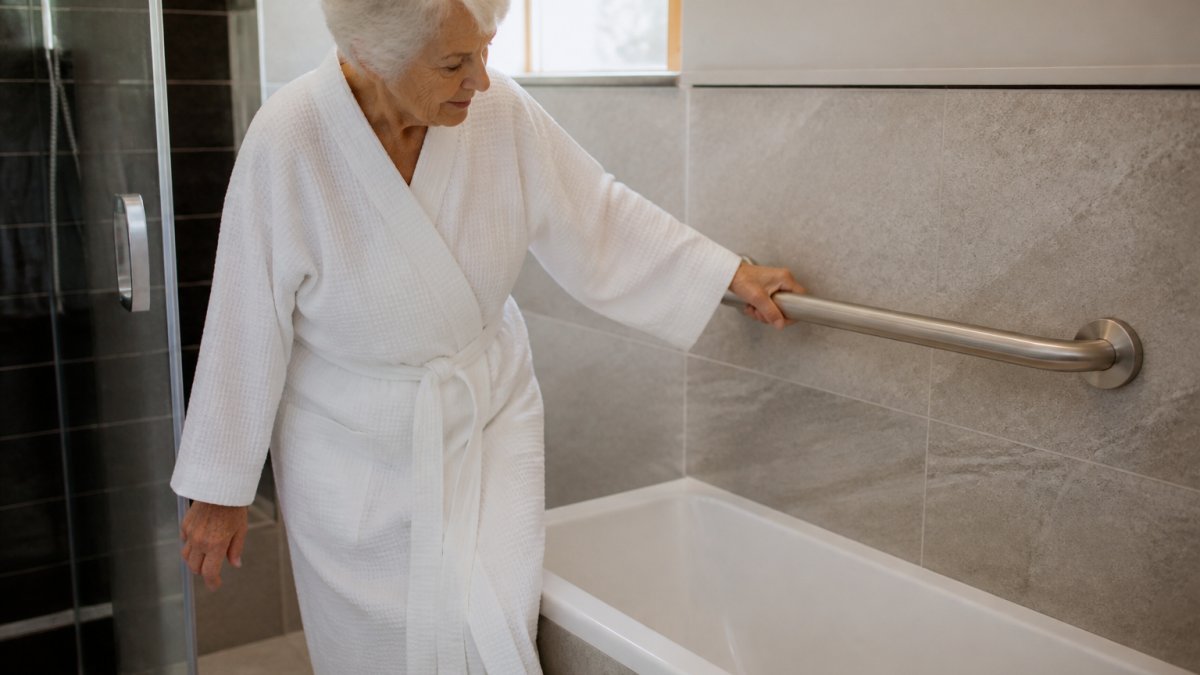
- Grab bars at entry and along interior walls give steadying points during the step in and out.
- A built-in seat allows seated bathing, removing the need to lower yourself to the tub floor and stand back up.
- Non-slip flooring on the tub base and floor provides traction where water collects.
Together, these make independent bathing realistic for someone with declining mobility. They reduce fall risk rather than eliminate it, and that distinction matters.
Walk-In Tub Pros and Cons for Older Adults
The walk-in tub pros and cons for older adults rarely get stated plainly. Here is our read.
Pros:
- Low-threshold entry and a watertight door cut the riskiest step in bathing
- Built-in seating supports seated bathing and reduces strain on hips and knees
- Grab bars and non-slip flooring add traction and stability
Cons:
- High upfront cost, plus plumbing and installation work
- Slow fill and drain times, which means sitting in the tub while it fills
- Cold exposure while waiting, especially in an unheated bathroom
Manufacturers frequently advertise pain relief, improved circulation, and cardiovascular benefits from hydrotherapy. Warm water and massage jets can feel good and may loosen stiff joints temporarily, but treat medical claims with skepticism and ask your doctor whether hydrotherapy suits your conditions.
Walk-In Tub Cost for Seniors: What to Expect
Walk-in tub cost for seniors decides most purchases, and it is the question most articles dodge. The honest answer is a range, not a number, because the tub is only one line on the invoice. Separate the purchase into four buckets: the tub itself, installation and bathroom modification, plumbing and electrical work, and ongoing ownership. The last is the one buyers forget.
The Tub Itself
Walk-in tubs are sold in tiers that track features, not size. Entry-level models have a single door, a built-in seat, and basic grab bars. Mid-tier adds air or water jets, an in-line heater, and a handheld shower wand. Top-tier adds heated seats, chromotherapy lighting, aromatherapy, and faster-fill systems. The spread between tiers often exceeds the spread between dealers on the same model, so compare like-for-like feature lists before prices.
Installation and Bathroom Modification
Installation is where budgets break. A walk-in tub is heavier and wider than a standard tub and needs dedicated space with a door that swings clear. Budget for:
- Removal and disposal of the existing tub or shower
- Framing and subfloor reinforcement, since a filled walk-in tub weighs far more than a standard tub
- Doorway widening if the bathroom door is too narrow for the tub to pass through
A modest tub can carry an installation bill rivaling its purchase price once framing, finish work, and permits are added.
Plumbing and Electrical Work
Walk-in tubs often need more from the house than the tub they replace:
- A larger drain to empty the tub in reasonable time, which may mean reworking the drain line
- A higher-flow water supply so the tub fills before the bather gets cold
- A dedicated electrical circuit for jets, heaters, or a heated seat, with GFCI protection as required by code
These line items grow after work begins, which is why an itemized quote matters more than a bundled one.
Ongoing Cost of Ownership
Ownership costs are small per month but real over years:
- Door seal replacement as the gasket compresses and ages
- Jet line cleaning to prevent buildup in water and air lines
- Energy and water use, a large tub uses more hot water per bath than a shower, and heaters and jets draw electricity
Ask about warranty length for the door seal, pump, and heater separately. A long shell warranty with a short seal warranty tells you where the manufacturer expects wear.
Coverage and Financing Caveats
Medicare generally does not cover walk-in tubs because they are not considered durable medical equipment; the same is usually true of private insurance unless a specific medical need is documented and the plan allows it. Some states and localities offer property tax relief or home modification programs for accessibility, and some long-term care policies reimburse home modifications, but eligibility rules are narrow and vary widely.
Walk-In Tub Alternatives for Seniors to Consider
Walk-in tub alternatives for seniors often deliver more safety per dollar, and the right choice depends on three questions: what the bather can physically do, what the bathroom can accommodate, and what the budget will bear. Here is a decision framework that ties alternatives to those questions.
The Alternatives, Compared
| Option | Best For | What It Solves | Trade-off |
|---|---|---|---|
| Walk-in tub | Seated soaking with jets; bather can sit and stand with minimal help | Fall risk at entry, seated bathing, hydrotherapy | High cost, slow fill and drain, cold wait |
| Walk-in shower conversion | Replacing a tub entirely; bather can stand or use a bench | Eliminates the tub wall, fast drainage, no wait | Full remodel, no soaking |
| Tub cut-out conversion | Keeping the existing tub; lower budget | Cuts a low step into an existing tub | Limited water depth, still a tub to clean |
| Shower chair and transfer bench | Low-budget safety upgrade; bather needs to sit | Seated washing in an existing tub or shower | Still uses the existing tub wall unless paired with a cut-out |
| Grab bars, non-slip mats, and lighting | Every bathroom, every budget | Traction, steadying points, visibility | No soaking or seated bathing benefit on its own |
| Roll-in shower | Wheelchair or walker users | Wheelchair access with no threshold | Major remodel, requires space and drainage work |
A Decision Framework
Work through these questions in order. The first one that fits usually points to the right option.
- Can the bather step over a low threshold and sit down unaided, or with standby help only? If yes, a walk-in tub or tub cut-out is viable. If no, look at a roll-in shower or a shower conversion with a bench and transfer assistance.
- Is soaking the goal, or is safer daily washing the goal? If soaking and jets matter, a walk-in tub is the only option on the list that delivers it. If daily washing is the goal, a shower conversion with a bench, grab bars, and a handheld wand usually costs less and works faster.
- Can the bathroom accommodate a large, heavy fixture? A walk-in tub needs floor reinforcement, a wide enough door, and drain and supply upgrades. If the bathroom is small or the floor questionable, a cut-out or shower conversion may fit where a full tub will not.
- What is the budget, all-in? A grab bar and non-slip mat package is the lowest-cost safety upgrade and belongs in every bathroom regardless of what else is chosen. A shower conversion sits in the middle. A walk-in tub is the highest-cost option once installation, plumbing, and electrical are included.
- Is the real barrier the bathroom at all? If the bather can bathe safely but cannot get to the bathroom, the modification that matters is the route, stairs, doorway, or hallway, not the tub.
Combining Options
The alternatives are not mutually exclusive. The strongest bathroom safety plan layers a primary bathing solution with universal upgrades: grab bars at the entry and inside the bathing area, non-slip flooring, brighter lighting, a handheld shower wand, and a night light on the route. A walk-in tub without grab bars and good lighting is partial; grab bars and lighting without a safe way to bathe is also partial.
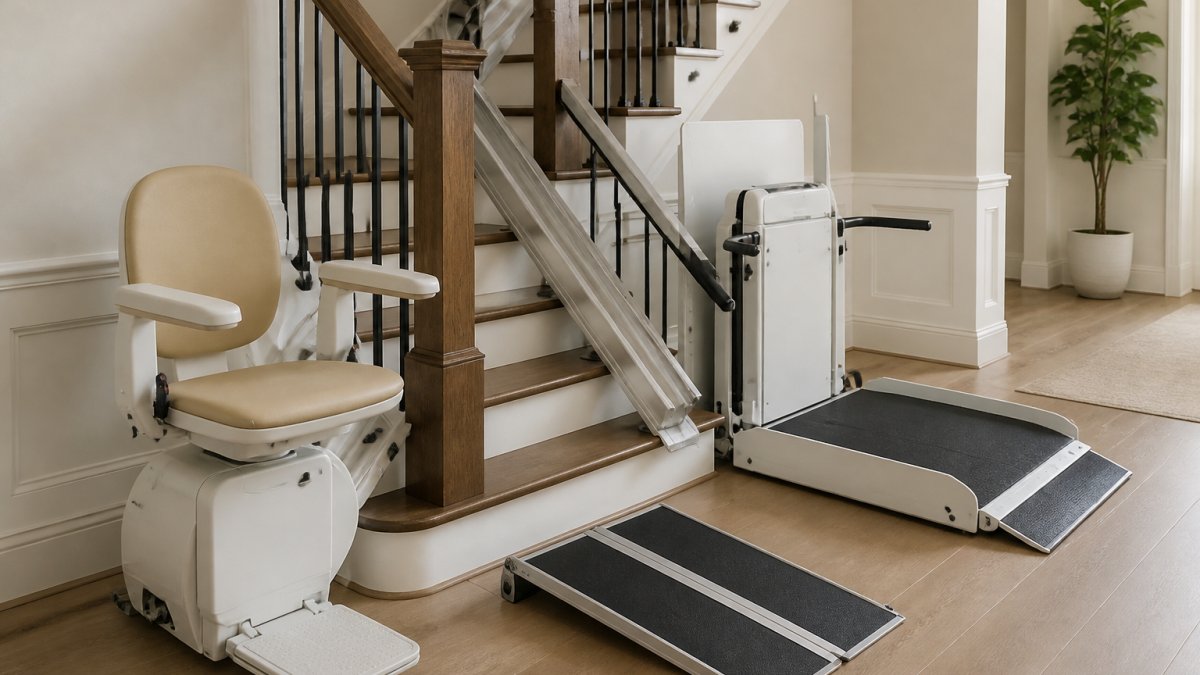
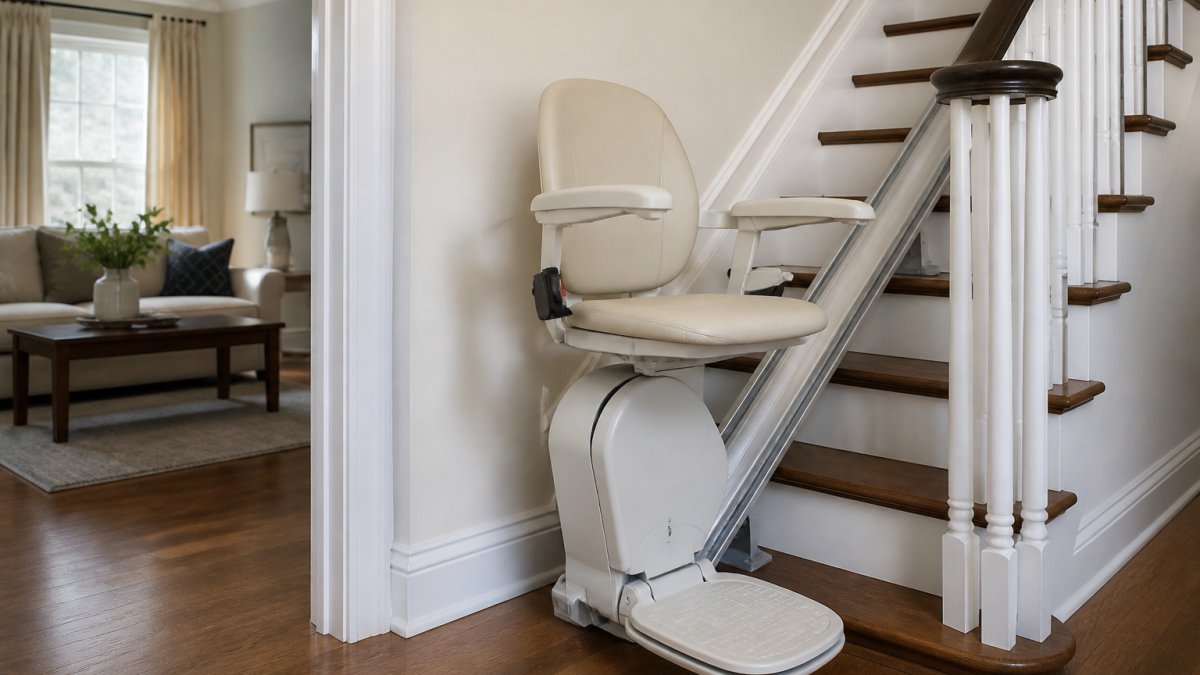
If the real barrier is stairs rather than the tub, a stairlift is the modification that keeps every floor accessible, and it can sit alongside any of the bathroom options above. That is where CT Stairlifts comes in, and we are glad to talk through how a stairlift fits alongside bathroom changes.
Who May Not Be a Good Candidate for a Walk-In Tub
Not everyone should buy one. A walk-in tub may not suit you if:
- You cannot wait in the tub while it fills and drains, due to cold sensitivity or a medical condition
- You need transfer assistance, since most doors are narrow and a caregiver may struggle to help
- You have significant cognitive decline and might operate the door or controls unsafely
If any apply, talk with an occupational therapist or your doctor before buying. A walk-in tub is a tool, not a cure, and the right tool depends on the person using it.
Frequently Asked Questions
Are walk-in tubs safer than regular bathtubs for seniors?
Walk-in tubs are generally safer for seniors because they address the biggest risks in a standard bathroom: stepping over a high tub wall and standing on a slippery surface. A low-threshold entry, watertight door, built-in seat, grab bars, and non-slip flooring reduce the chance of slips and falls. That said, no tub eliminates risk entirely. Users still need to move carefully, wait for the tub to fill and drain before opening the door, and follow installation guidance. Talk to an installer about features that match your specific mobility level.
How much does a walk-in tub cost for seniors?
Walk-in tub cost for seniors varies widely based on tub type, features like hydrotherapy jets, and the amount of bathroom modification required. Plumbing changes, doorway widening, and flooring work can add significantly to the total. Because pricing depends on your bathroom layout and chosen features, request a written quote from a licensed installer rather than relying on national averages. Ask whether the quote includes removal of the old tub, permits, and any warranty coverage.
What are the disadvantages of a walk-in tub for seniors?
The main drawbacks are cost, installation disruption, and wait time. Walk-in tubs take longer to fill and drain than standard tubs, and you must stay seated inside until the water drains before opening the door. That can mean several minutes in a cooling tub, which matters for people sensitive to cold. Some homes need plumbing or doorway modifications. Maintenance and warranty terms also vary by manufacturer. Weigh these against the safety benefits and consider alternatives like walk-in showers before deciding.
Can a walk-in tub help seniors maintain independence?
For many seniors, a walk-in tub supports independent bathing by removing the need to climb over a high wall or rely on a caregiver for every shower. Built-in seating and grab bars let users bathe with less transfer assistance. That said, independence depends on the individual's mobility and balance. Some people still need help getting to the bathroom or operating controls. An in-home assessment from a mobility specialist can clarify whether a walk-in tub, a walk-in shower, or another modification best supports aging in place.
Aging in place works best when every part of the home supports safe movement, not just the bathroom. If stairs are the barrier keeping you or a parent confined to one floor, CT Stairlifts can help. Our specialized stairlift installations are designed to help homeowners regain access to every floor of the home, with service tailored to keep navigating your house safe and convenient. Get started with CT Stairlifts and make every floor of your home reachable again.