 blog
blog
Lifeway Mobility Alternative for Connecticut Homes
Table of Contents
- Why Connecticut Homeowners Look for a Lifeway Mobility Alternative
- Stairlift Installation Cost: What Drives the Price in Connecticut
- Home Accessibility Modifications Beyond the Stairlift
- Stairlift Maintenance and Repair: Keeping Your Lift Running
- DIY vs. Professional Installation: What Connecticut Homeowners Should Know
- What to Look for in a Local Connecticut Stairlift Provider
- Frequently Asked Questions
Last Updated: September 19, 2026
Why Connecticut Homeowners Look for a Lifeway Mobility Alternative
When stairs become a daily obstacle, the search for a Lifeway Mobility alternative starts with one question: who will show up, measure the staircase properly, and install a lift that fits? This guide from CT Stairlifts covers cost drivers, equipment options, and how to choose a provider you can call back in two years.
Stairlift Installation Cost: What Drives the Price in Connecticut
Stairlift pricing depends on four variables: the shape of the staircase, the length of the rail, the drive system, and whether the install requires custom fabrication. A straight run in a standard colonial stairwell is the simplest job; a curved staircase, landing, or tight turn requires a custom rail, and that is where the number climbs.
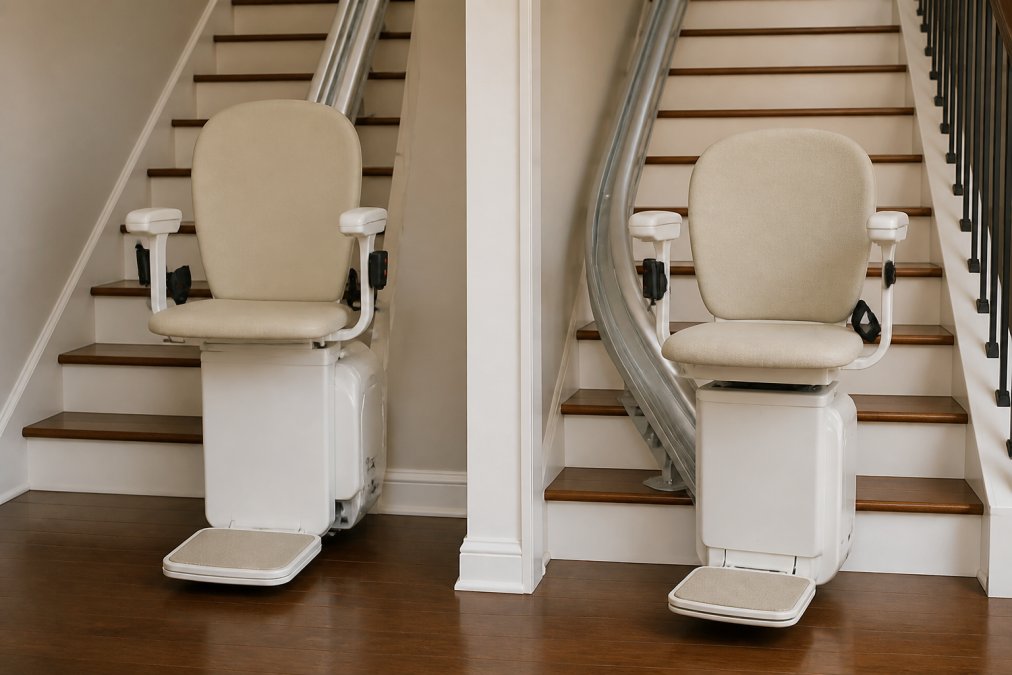
Straight vs. Curved Stairlifts: The Biggest Cost Variable
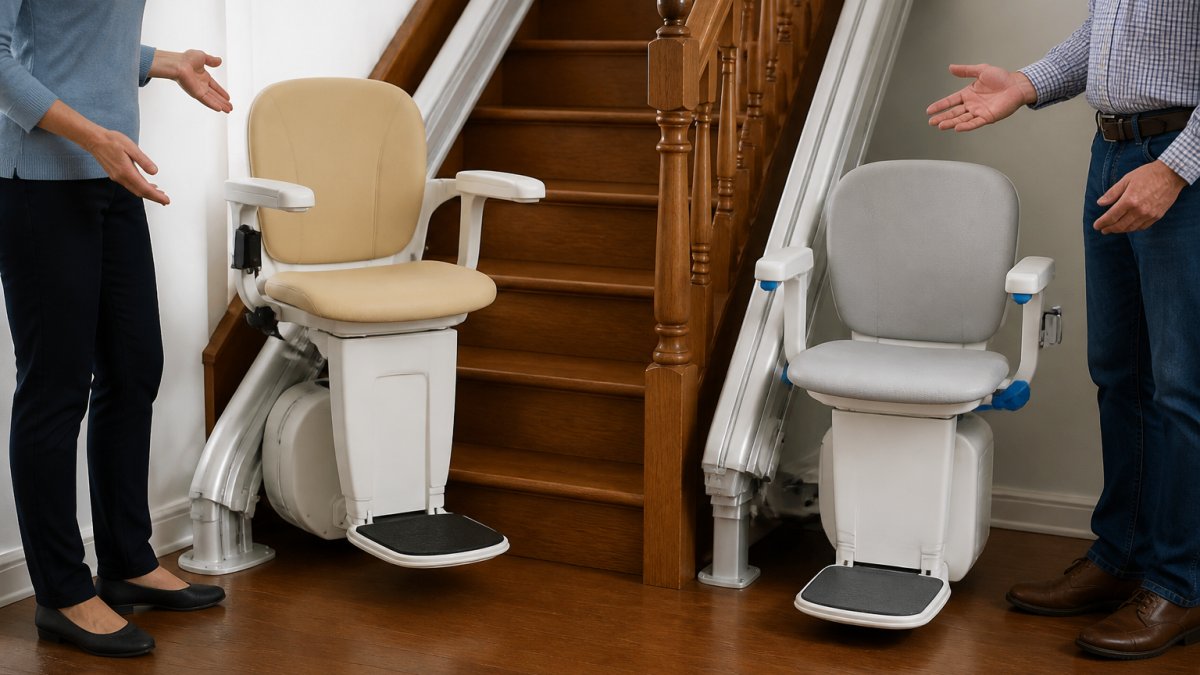
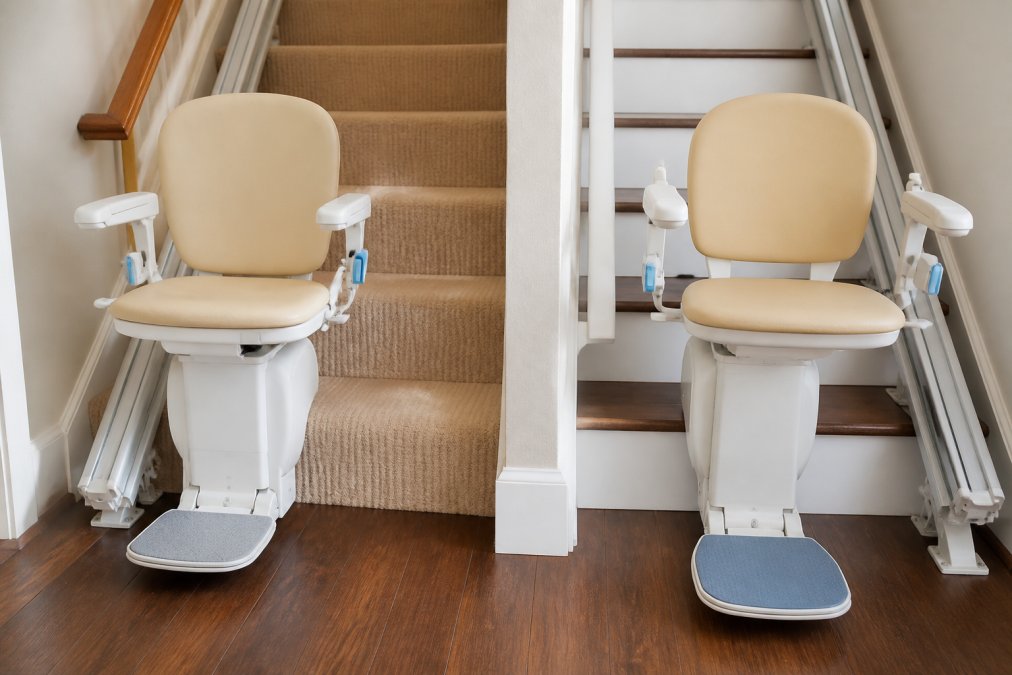
Straight stairlifts are least expensive because the rail is manufactured in standard lengths and often trimmed on site. Curved stairlifts cost more because the rail is fabricated to match your staircase's exact geometry, so a technician must measure, photograph, or digitally scan the stairs and send those specs to a fabricator.
Renting vs. Buying a Stairlift
Renting makes sense when the need is temporary, someone recovering from hip or knee surgery may only need a lift for a few months. Buying makes more sense when the mobility limitation is permanent or progressive, since rental fees accumulate and the equipment never becomes yours.
| Situation | Better Option | Why |
|---|---|---|
| Recovery from surgery, 2-4 months | Rental | Avoids long-term cost for a temporary need |
| Progressive mobility decline | Purchase | Equipment becomes yours; no ongoing fees |
| Uncertain timeline | Rental first | Lets you test fit and comfort before committing |
| Multi-floor daily use | Purchase | Long-term use justifies the investment |
Ways to Offset the Cost: Funding, Insurance, and Tax Options
This is the part most stairlift articles skip, and it is often the difference between affording a lift and going without one. Check these avenues before assuming the full price is on you:
- Medicare and private insurance. Original Medicare generally does not cover stairlifts or most home modifications, classifying them as home equipment rather than durable medical equipment. Some Medicare Advantage plans and private policies offer broader supplemental benefits, so read your plan documents or call member services.
- Veterans benefits. Veterans may qualify for home modification grants through the U.S. Department of Veterans Affairs for service-connected needs. Eligibility rules are specific, so check with a VA benefits counselor.
- State and local programs. Many areas offer home modification assistance through aging services, independent living centers, or community development block grants. A local Area Agency on Aging is usually the fastest place to start.
- Tax deductions. Medical expenses, including certain home modifications installed for a medical reason, may be deductible if they exceed the IRS threshold. Talk to a tax professional about your situation.
- Nonprofit and charitable grants. Organizations focused on aging in place and disability access sometimes provide grants or low-interest loans for accessibility equipment.
What the Quote Should Include
A trustworthy estimate is itemized, not a lump sum: rail and chair cost, installation labor, custom fabrication, electrical work, warranty terms, and the service response commitment. If a provider will not put the service response time in writing, treat that as a red flag, the cheapest quote is not the best quote if no one answers the phone when the lift stalls.
Home Accessibility Modifications Beyond the Stairlift
A stairlift solves one problem: the staircase. A home safety evaluation often reveals that the bathroom, front entry, and thresholds between rooms are just as risky as the stairs, and addressing them together usually costs less than tackling them one emergency at a time.
Wheelchair Ramps and Threshold Ramps
A wheelchair ramp handles the entry step or the rise between a doorway and a porch; a threshold ramp is the smaller version, bridging a lip of an inch or two at a door. Both come in modular and custom-fabricated forms, and the right choice depends on the rise, the available run, and whether the ramp must be removable.
Bathroom Safety: Grab Bars, Walk-In Tubs, and Transfer Aids
Bathrooms are where falls cluster. Grab bar installation in the shower and beside the toilet is the most cost-effective change you can make, and it must be anchored into blocking or studs, not just drywall. A walk-in tub removes the need to step over a tub wall, though it requires a longer fill and drain cycle and a conversation about whether the user can sit through it comfortably.
Stairlift Maintenance and Repair: Keeping Your Lift Running
Stairlift maintenance and repair is the part most buyers underestimate. A stairlift is a motorized machine with a battery, gearbox, track, and safety sensors, and like any machine it needs periodic attention, though maintenance is usually simple and inexpensive compared to a breakdown.
What a routine service visit typically covers:
- Battery condition and charging cycle
- Rail inspection for debris, looseness, or wear
- Seat swivel and armrest function
- Safety sensors and obstruction detection
- Lubrication of the drive system
- Remote control and call-button testing
DIY vs. Professional Installation: What Connecticut Homeowners Should Know
Professional installation is the right call for stairlifts, weight-bearing ramps, and grab bars that must hold a falling adult. The reason is liability, anchoring, and code: a stairlift rail must be mounted into structural members, the electrical connection must meet local requirements, and the unit must be tested under load before anyone rides it.
Where DIY Actually Makes Sense
Some accessibility upgrades are genuinely safe to handle yourself:
- Threshold ramps that simply rest in a doorway and are not fastened to the structure.
- Non-structural safety items like motion-sensor night lights, non-slip mats, and cord management.
- Minor adjustments such as repositioning a remote holder or adding a second call button.
Where DIY Becomes Dangerous
Anything bolted to the house's structure, anything electrical, and anything carrying a person's full weight should be installed by a professional, including:
- Grab bars. Must be anchored into solid blocking or studs, not tile and drywall. A bar that pulls loose under a wet hand is worse than no bar at all, because the user has already committed their weight to it.
- Wheelchair ramps. A ramp carrying a wheelchair and a person must meet slope, landing, and edge-protection requirements. Too steep is a hazard, not a solution.
- Stairlifts. The rail must be mounted into structural members, the unit wired correctly, and the safety sensors tested under load.
The Code and Liability Questions
Residential accessibility work is not the same as commercial work, but rules still apply. Local building codes govern structural attachments, electrical connections, and permits, and an unpermitted ramp or lift can create problems when you sell the home or file an insurance claim. The Americans with Disabilities Act sets standards for public and commercial spaces; while it does not directly govern a private residence, its slope and clearance guidance is a useful reference for anyone building a ramp.
A Simple Decision Rule
Ask one question: if this installation fails, will someone fall? If yes, hire a professional. If no, and the item is not fastened to the structure or wired into the home, DIY is reasonable. For everything in between, get a professional assessment first, many providers will evaluate your home and tell you honestly which projects you can handle yourself.
What to Look for in a Local Connecticut Stairlift Provider
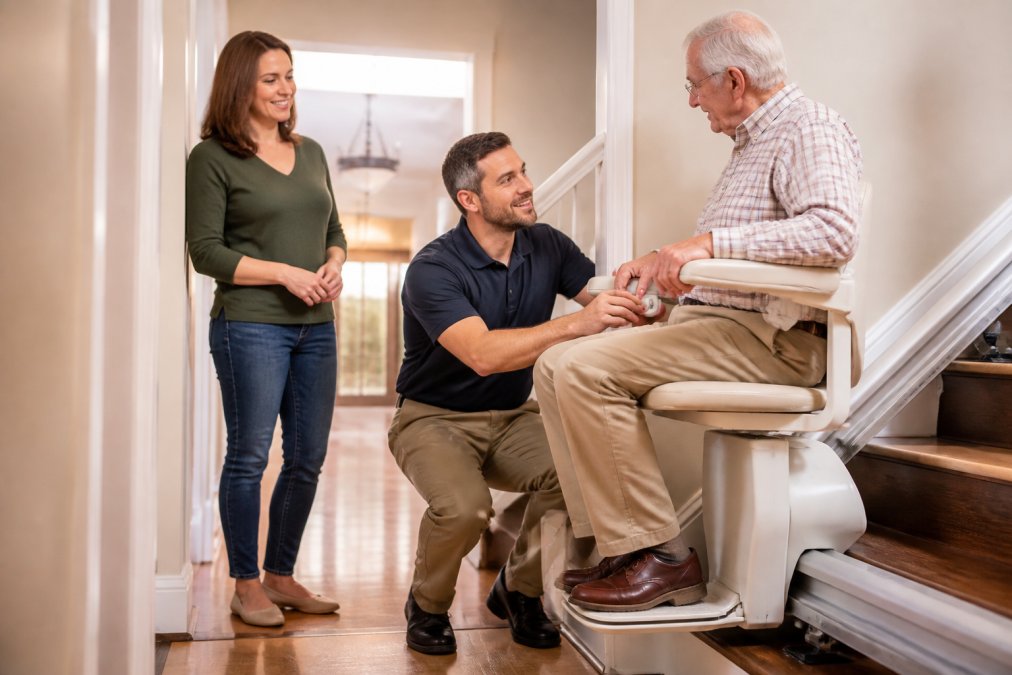
Choose a provider that measures your staircase in person, gives a written estimate, explains rental versus purchase, and commits to a service response time in writing. Those four things separate a provider you can rely on from one you will struggle to reach after the sale.
A checklist for evaluating any provider:
- Will they visit and measure before quoting?
- Is the quote written and itemized?
- Do they explain rental versus purchase honestly?
- What is the stated service response time?
- Can they provide references from local customers?
- Do they handle both installation and ongoing repair?
- Are they clear about what the warranty covers?
Frequently Asked Questions
What should I look for when choosing a local stairlift provider in Connecticut?
Look for a provider that explains the difference between straight and curved rail options, and has a clear plan for stairlift maintenance and repair after installation. Request references from nearby customers. A local provider who can visit your home quickly matters.
Are there local alternatives to national mobility companies for stairlift installation?
Yes. Connecticut has local and regional providers that install stairlifts, wheelchair ramps, and other home accessibility modifications. Ask each provider what brands they carry, whether they service what they sell, and how quickly they can respond to a breakdown.
How much does stairlift installation cost, and what affects the price?
Stairlift installation cost depends on several factors: whether your staircase is straight or curved, the length of the rail, the model's weight capacity and features, and whether any electrical work is needed. Custom curved rails cost more than straight rails because they are fabricated to fit your staircase. Because pricing varies by home, request an in-home assessment and a written quote rather than relying on a generic online estimate.
Do local stairlift companies offer maintenance and repair services?
Most established local providers offer stairlift maintenance and repair, either as a service plan or on a call-by-call basis. Routine maintenance typically includes inspecting the rail, testing the battery backup, checking the swivel and footrest mechanisms, and lubricating moving parts. Ask upfront about response times and what the warranty covers, since a lift that sits broken blocks your access to the upper floor.
The hardest part of this decision is not picking a stairlift model. It is trusting that the company installing it will still answer the phone when the battery dies or the rail needs adjusting two years from now. CT Stairlifts handles specialized stairlift installation and ongoing service, with a focus on helping homeowners regain access to every floor of the house. If you are ready to stop treating the staircase as a barrier, get started with CT Stairlifts and schedule an in-home assessment.