 Comparison
How to Estimate the Cost of Home Elevators for Seniors in 2026
Last Updated: November 8, 2026
Quick Summary
The cost of home elevators for seniors depends on the elevator type, the number of floors, and how much construction the house needs. Installed prices vary widely, so ask each installer for a written, line-item quote covering equipment, installation labor, permits and any construction work.
- Ask every installer for a line-item quote separating equipment, labor, permits and construction work.
- Each additional floor or stop adds equipment and installation time to the total price.
- Building a new shaft or modifying walls, floors and ceilings can cost more than the elevator itself.
- Permit and inspection requirements vary by local building department, so check with your city or county.
- Budget for ongoing maintenance, inspections, electricity and eventual major repairs, not just the purchase price.
Table of Contents
- What Home Elevators Cost for Seniors Today
- Small Home Elevator Cost: What Compact Models Run
- Home Elevator Cost for a Two-Story House
- Factors That Change the Total Price
- Stairlift Cost for Seniors and How It Compares
- Best Home Elevators for Seniors and What to Look For
- Funding, Insurance and Ongoing Costs to Plan For
- Requesting Quotes and Booking Your Assessment
- Frequently Asked Questions
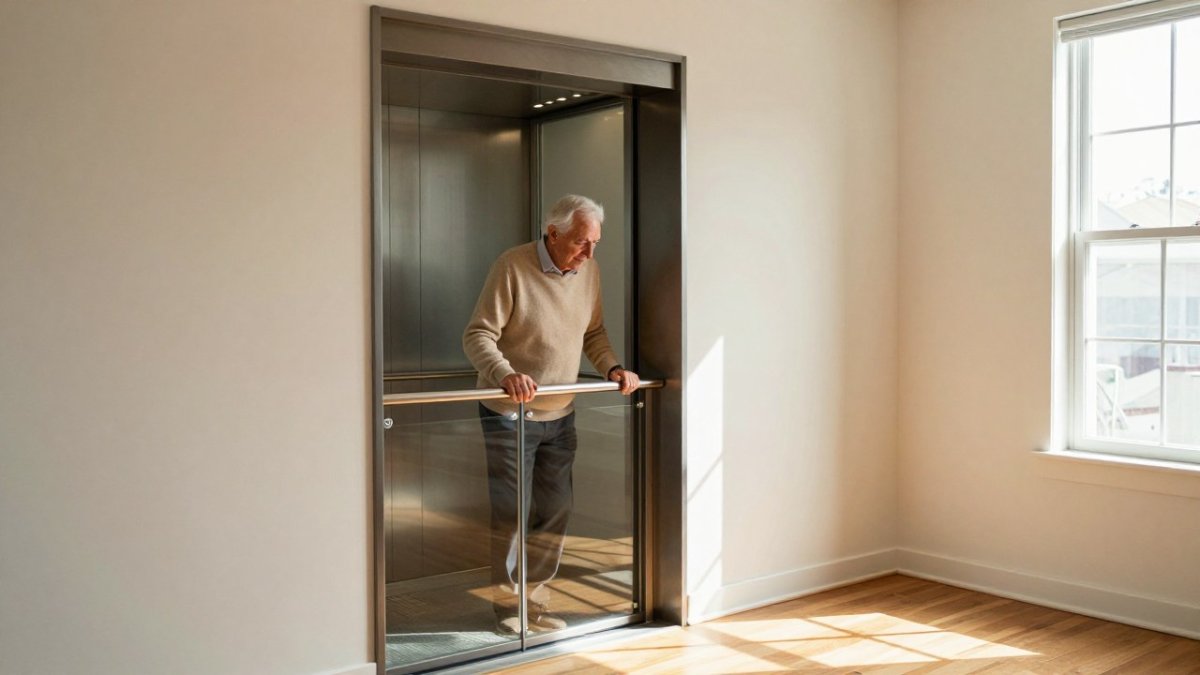
How much does a home elevator cost for seniors? The installed price depends on the elevator type, the number of floors and how much work the house needs. CT Stairlifts helps Connecticut families plan for that decision, and this guide explains the cost of home elevators for seniors so you can estimate what your own home would require.
Installed prices for residential elevators vary widely, and final numbers depend on the specific house. Ask each installer for a written quote rather than relying on general estimates.
What Home Elevators Cost for Seniors Today
The cost of home elevators for seniors starts with the elevator type, the drive system and the installation work. A larger cab with premium finishes, or a shaft built into an existing home, generally raises the total.

Ask every installer for a line-item quote. It should separate the equipment, installation labor, permits and any construction work. A single lump sum makes it hard to compare offers.
Small Home Elevator Cost: What Compact Models Run
A compact unit can cost less than a full-size unit, but the savings are not guaranteed. Compact models use a smaller cab and shaft, which can reduce materials and construction time.
Compact options can suit a single-floor addition, a converted closet or a tight staircase where a stairlift would block the hallway. Confirm the cab size and load capacity before you commit.
Home Elevator Cost for a Two-Story House
A two-story house usually has fewer stops to serve than a three-story home. Installation still involves a shaft, a pit or a machine location, and a skilled installer must confirm the structure can support the work.
In a two-story house, the main variables are the shaft location and whether the elevator can share a wall with existing plumbing or wiring.
Factors That Change the Total Price
Several factors can affect the final price. Common considerations include:
- Number of floors and travel distance: Each additional stop adds equipment and installation time.
- Shaft and construction: Building a new shaft or modifying walls, floors and ceilings can cost more than the elevator itself.
- Drive system: Hydraulic, traction and pneumatic designs differ in equipment price, installation needs and ongoing service.
- Cab size, finishes and doors: Larger cabs, custom finishes and specialty door configurations raise the price.
- Permits and inspections: Local building departments may require plan review and an inspection before the elevator can run. Check with your city or county, because requirements vary.
Ask your installer which of these apply to your home before you request a final quote.
The table below summarises the main factors that change the final price of a home elevator, as described in the article.
| Factor | Effect on price | Note |
|---|---|---|
| Number of floors and travel distance | Each added stop raises cost | Adds equipment and installation time |
| Shaft and construction | Can cost more than the elevator | Covers walls, floors and ceilings |
| Drive system | Varies by equipment and service | Hydraulic, traction and pneumatic differ |
| Cab size, finishes and doors | Larger or custom raises price | Specialty doors add cost |
| Permits and inspections | Adds to total | Requirements vary by local authority |
Stairlift Cost for Seniors and How It Compares
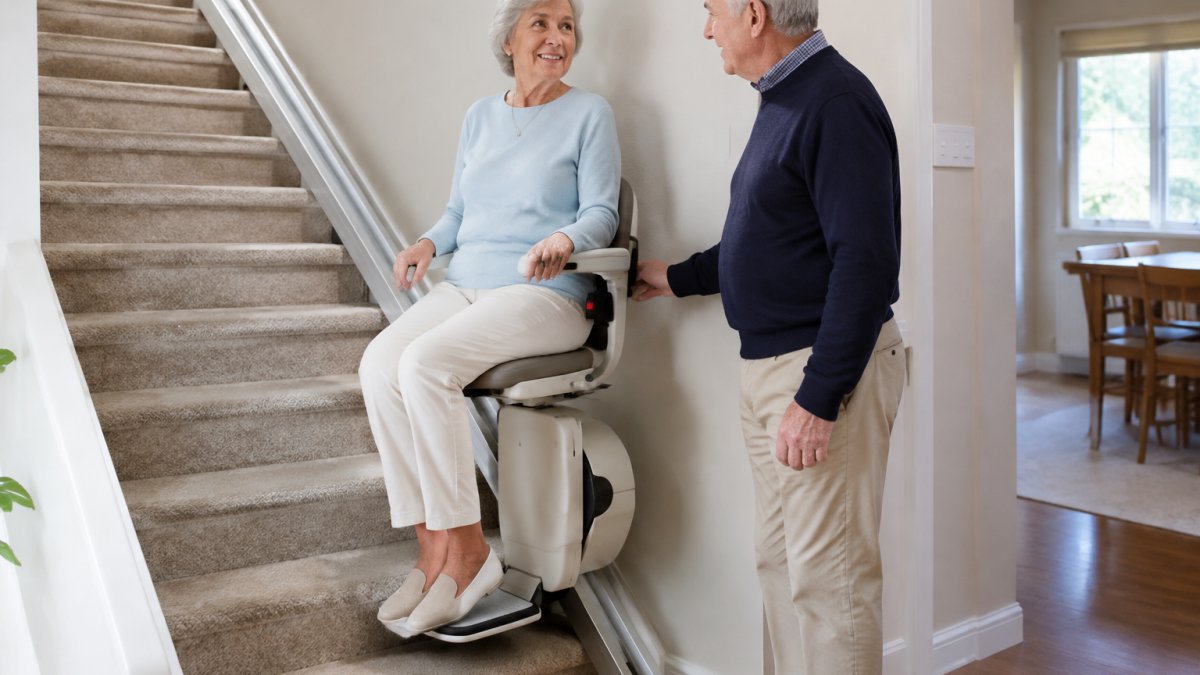
A stairlift is often the first alternative families consider. A lower upfront price does not automatically make it the right choice for every senior, and the trade-offs matter more as mobility needs change. Read this direct comparison guide between a stairlift and an elevator to see the differences side by side.
Typical cost ranges for the main alternatives
Ask each provider for a written quote for your specific staircase or shaft location.
Costs depend on local labor, permitting and site conditions, so ask each installer for a line-item quote on your actual staircase or shaft location. Our guide to real installation costs in Connecticut homes explains what drives those numbers.
How to compare the options on more than price
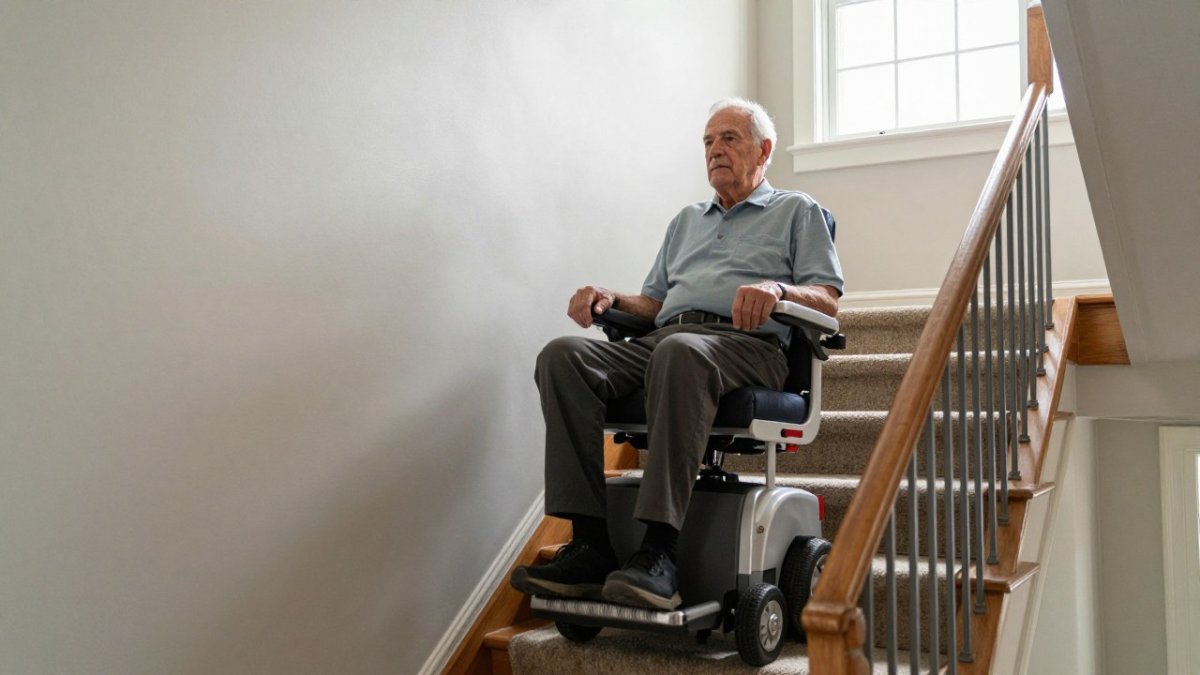
- Wheelchair and walker access: A stairlift carries a seated rider only. If the senior uses a wheelchair or a walker and needs to stay in it between floors, a stairlift will not solve the problem; a platform lift or home elevator will.
- Caregiver assistance: A stairlift is a single-rider device. A home elevator can carry a rider plus a caregiver, which matters when assistance is needed during travel.
- Staircase geometry: Straight stairlifts are the least expensive and simplest to install. Curved staircases require custom rails, which raise cost and lead time. Very narrow or winding staircases may not accept a stairlift at all.
- Hallway and landing clearance: A folded stairlift still occupies some space at the bottom of the stairs and can block a hallway or doorway. Measure the landing before you commit.
- Multi-floor homes: A stairlift serves one staircase. A senior who needs to reach a basement, a garage level or a third floor may need more than one stairlift, which erodes the price advantage.
- Long-term needs: A stairlift is often a good fit when the need is expected to be short-term or when the senior can still transfer independently. A home elevator is more often chosen when the need is expected to be long-term or when mobility is likely to decline.
Watch out: a stairlift that fits today's mobility may not fit in two or three years if the senior's condition changes, so ask the installer whether the model can be upgraded or relocated, and what that would cost.
Best Home Elevators for Seniors and What to Look For
When you compare options, focus on features that support safe daily use:
- Emergency lowering and battery backup so the cab can reach a floor during a power outage.
- Smooth, reliable controls with large buttons and clear feedback for riders with limited hand strength.
- Automatic doors and safety sensors that stop the car if something blocks the entrance.
- Enough cab space for a wheelchair, walker or caregiver.
- Service coverage from the installer, including a maintenance schedule and emergency contact.
Published sources describe different elevator types, and each brings its own strengths. Pneumatic and hydraulic models often suit homes with limited shaft space, while traction models suit taller buildings. Ask an installer which type matches your home and your mobility needs.
Funding, Insurance and Ongoing Costs to Plan For
The purchase price is only the first number a senior household has to plan around. Ongoing maintenance, inspections, repairs, electricity and eventual replacement all add to the total cost of ownership.
Ongoing ownership costs to budget for
- Routine maintenance: Ask makers and installers for their recommended service schedule. Budget for a service contract rather than one-off calls, and ask whether it covers parts or labor only.
- Periodic inspections: Inspection requirements for residential elevators are set at the state and local level. Confirm the requirement with your state or local building department before you buy.
- Electricity: A residential elevator draws power mainly when the motor runs. A hydraulic unit uses a pump motor; a traction unit uses a hoist motor; a pneumatic vacuum unit uses a blower that runs during travel. Ask the installer for the motor rating so you can estimate the electricity use.
- Repairs and parts: Door operators, sensors, control boards and hydraulic seals are the most common wear items. Older or discontinued systems can be harder and more expensive to repair, so ask how long the manufacturer stocks parts for the model you are considering.
- Battery backup and emergency devices: Backup batteries for emergency lowering and cab communication need periodic replacement. Add them to the maintenance budget.
- Home modification costs: Widening a doorway, reinforcing a floor, adding a dedicated circuit or finishing drywall after installation are separate line items. Get them quoted before you sign.
- Eventual replacement: A residential elevator will eventually need major component replacement or full replacement. Ask the installer for the expected service life of the drive system and the cost of a typical major repair so you can set aside a reserve.
Funding, insurance and tax questions to investigate
Funding options vary by household, and no single program covers every senior. Treat the list below as a research checklist, not a promise of eligibility.
- Medicare: Coverage rules for home modifications are complex. Check your Medicare plan's coverage documents directly and ask about any supplemental home safety benefits.
- Medicaid and state programs: Some state Medicaid waiver programs may fund home modifications that support aging in place. Eligibility rules vary, so contact your state Medicaid office or Area Agency on Aging to ask what is covered where you live.
- Veterans' benefits: The U.S. Department of Veterans Affairs may offer home modification assistance for eligible veterans with service-connected disabilities (Prosthetic & Sensory Aids Service (PSAS)). Eligibility rules vary, so verify current requirements with the VA directly.
- Tax treatment: Some medical expenses may be deductible under federal rules (Publication 502 (2025), Medical and Dental Expenses). Confirm with a tax professional whether a specific installation qualifies before assuming any deduction.
- Financing: Home equity loans, home equity lines of credit, and manufacturer or installer financing are common ways families spread the cost. Compare the annual percentage rate and any prepayment penalty, not just the monthly payment.
- Insurance: Standard homeowners insurance does not usually pay for an elevator installation, but it may cover damage from a covered peril such as a burst pipe that affects the elevator. Ask your insurer how the elevator should be scheduled on your policy.
Watch out: eligibility rules for VA benefits, Medicaid waivers and tax deductions can change, so confirm current requirements with the agency or a qualified professional before you build them into your budget.
Requesting Quotes and Booking Your Assessment
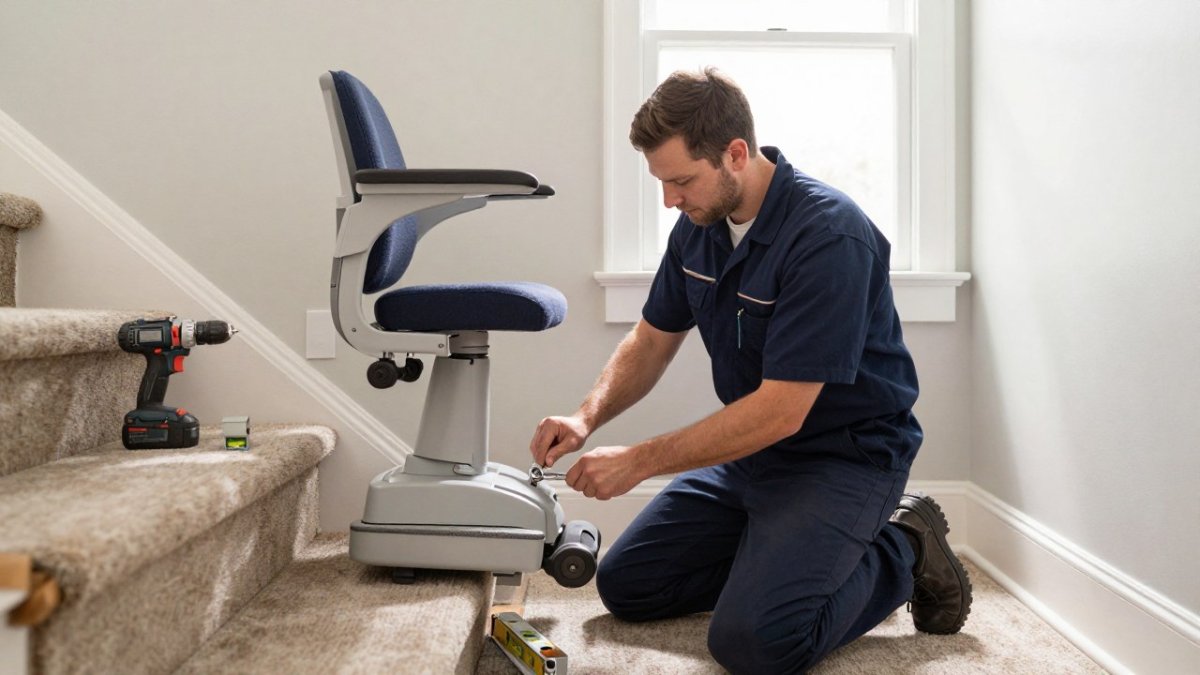
Start by requesting an in-home assessment. An installer should measure the space, review the shaft location, check the electrical service and explain the permits required in your town.
CT Stairlifts can help Connecticut homeowners compare stairlift and home elevator options and understand what each would involve for their house.
BUTTON: Request a Home Assessment CARD_TITLE: Wondering what a home elevator would cost in your house? CARD_TEXT: CT Stairlifts assesses Connecticut homes and provides written estimates for elevators and stairlifts.
Frequently Asked Questions
Will Medicare pay for an elevator in your home?
Coverage for a home elevator depends on the plan. Some Medicare Advantage plans, Medicaid waiver programs and private insurance policies may offer partial help in specific situations. Check directly with your plan and your state's Medicaid office in Connecticut, and ask whether a physician's order or occupational therapy assessment is required. Get written confirmation before you commit to a installation.
How much does a small home elevator cost?
Compact home elevators generally cost less than full-size residential models, but the installed price still depends on shaft construction, number of stops and finishes. Installed costs depend on shaft construction, number of stops and finishes. Ask any installer for a written quote that itemizes equipment, installation and site preparation so you can compare compact options fairly.
Is a home elevator or stairlift more affordable for seniors?
A stairlift usually costs less up front than a home elevator, but it only serves one staircase and requires the user to remain seated during the ride. A home elevator carries a wheelchair or walker and serves every floor, though its installed cost is generally higher. The better choice depends on how many floors you need to reach, whether construction is feasible and your long-term mobility needs. Schedule an in-home assessment to compare both options against your specific layout.
How do I get an accurate home elevator quote?
Request a written quote that lists equipment, installation labor, shaft or site work, permits and any warranty terms. Ask how many floors and stops are included and whether the price assumes a standard layout. Compare at least three quotes and confirm what each one leaves out. For stairlift and elevator pricing specific to CT Stairlifts, contact the company directly for a current quote, since pricing depends on your home and project details.